
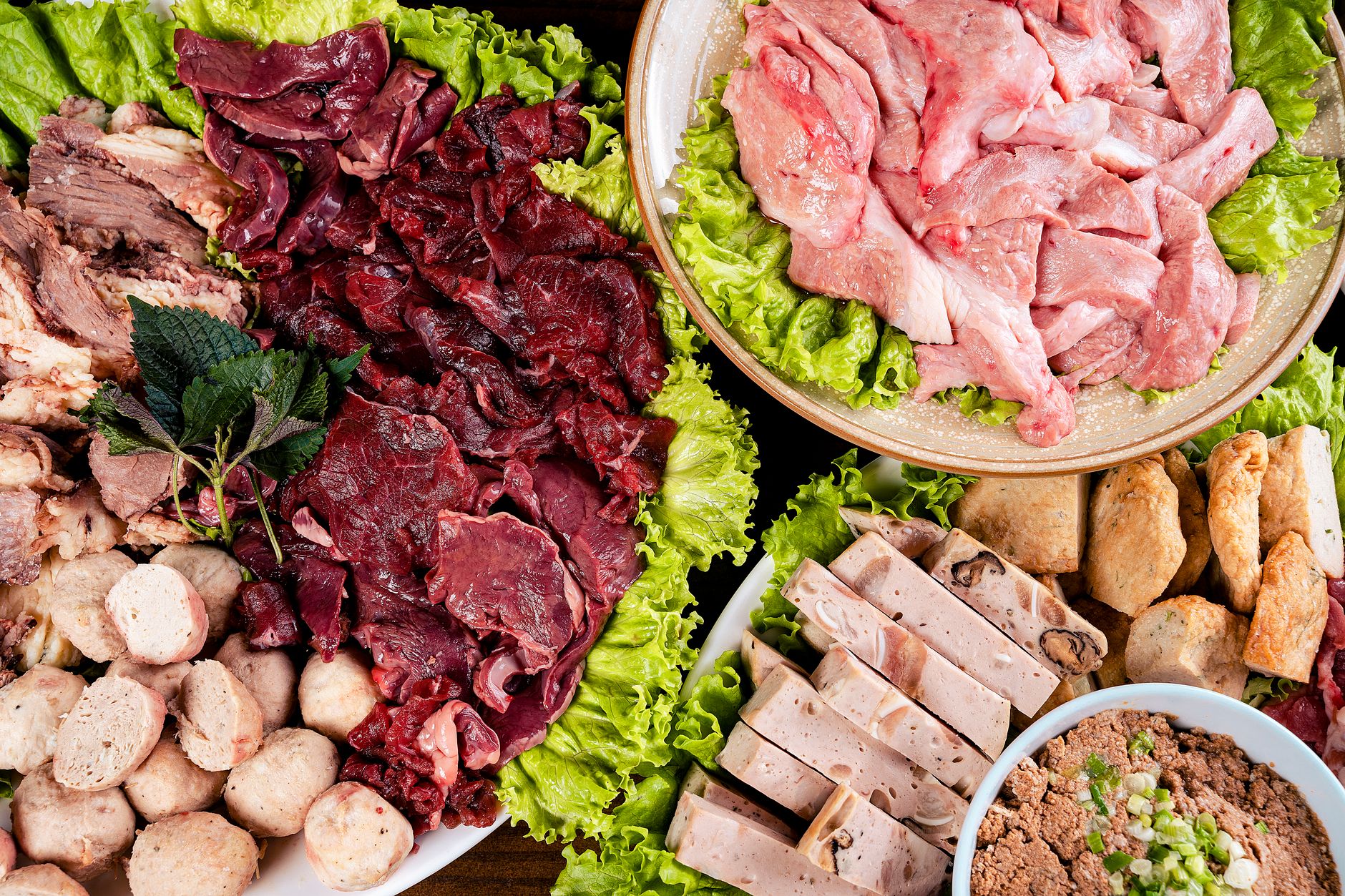
The carnivore diet, centered on consuming animal products exclusively, has garnered significant attention recently. Supporters claim numerous benefits, while skeptics question its safety and nutritional adequacy. Understanding the implications of such a limited diet is crucial for anyone considering this dietary choice.
This article delves into the safety of the carnivore diet, highlighting its nutritional aspects, potential risks, and some practical tips for maintaining a healthy approach if you decide to try it.
Is the Carnivore Diet Safe?
While many people report positive outcomes from the carnivore diet, including weight loss and improved energy levels, potential risks cannot be overlooked. The safety of this diet can differ significantly among individuals based on their health status and adherence to nutritional balance.
Understanding the Carnivore Diet
The carnivore diet consists entirely of animal products. This means that proponents consume meat, fish, eggs, and limited dairy while avoiding all plant-based foods. The simplicity of this diet appeals to some, yet it raises complex questions about nutrient intake and long-term health.
Nutritional Aspects of the Carnivore Diet
An exclusive focus on animal products provides certain nutrients in abundance, while it may severely limit or exclude others.
Key Nutrients in Animal Products
- Protein: High-quality proteins from meat and fish support muscle growth, repair, and overall bodily functions.
- Fats: Animal fats, including Omega-3 fatty acids found in fish, contribute to brain health, hormone production, and energy without relying on carbohydrates.
- Vitamins: Nutrients like vitamins B12, A, and D are abundant in animal products, essential for various bodily functions.
- Minerals: Iron, zinc, and selenium—a range of essential minerals—are more bioavailable in animal foods compared to plant sources.
Potential Nutrient Deficiencies
Though animal foods are nutrient-dense, the absence of plant-based foods in the carnivore diet can lead to deficiencies:
- Fiber: Dietary fiber is absent in animal products, which impacts digestive health and may lead to constipation.
- Vitamins and Antioxidants: Plant foods provide vitamins C and E, flavonoids, and other antioxidants critical for combating oxidative stress.
- Phytochemicals: Compounds found in plants support various health benefits that are not available in a meat-exclusive diet.
Evaluating the Safety of the Carnivore Diet
The key to evaluating the carnivore diet’s safety lies in individual health conditions, dietary practices, and potential concerns that might arise throughout its implementation.
Potential Health Risks
- Increased Cholesterol: Some research suggests that high saturated fat intake may elevate cholesterol levels, which could increase heart disease risk.
- Kidney Health: High protein intake can strain the kidneys, particularly in individuals with pre-existing kidney conditions.
- Gastrointestinal Issues: The avoidance of fiber can lead to digestive problems, such as constipation and an imbalanced gut microbiome.
- Bone Health: Limited calcium and vitamin intake can risk bone density over time, potentially leading to osteoporosis.
Consult with Healthcare Professionals
Before starting any restrictive diet, especially one as extreme as the carnivore diet, it is advisable to consult healthcare providers. They can assess individual health conditions and help tailor dietary choices based on personal nutritional needs.
Practical Tips for the Carnivore Diet
Should you decide to pursue the carnivore diet, following some practical tips can help ensure better safety and nutritional balance.
Choose Quality Animal Products
- Grass-Fed and Pasture-Raised: Opt for high-quality meat from grass-fed cattle and pasture-raised poultry and eggs, which often possess a better nutrient profile.
- Wild-Caught Fish: Whenever possible, choose wild-caught fish over farmed varieties for higher Omega-3 content.
- Organ Meats: Include organ meats like liver, which are nutrient-dense and can provide vitamins and minerals often missing in muscle meats.
Incorporate a Variety of Sources
While adhering to the diet, aiming for a variety of animal products can provide a broader range of nutrients. This can help mitigate some risks associated with nutrient deficiencies.
Monitor Health Markers
Keep a close eye on biomarkers such as cholesterol levels, blood pressure, and kidney function. Regular check-ups can help detect potential health issues early on.
Stay Hydrated and Consider Electrolytes
Some individuals report experiencing flu-like symptoms after transitioning to a carnivore diet due to changes in water and electrolyte balance. Ensure proper hydration and consider electrolyte supplementation to maintain balance.
Making the Transition to a Carnivore Diet
Transitioning to a carnivore diet may be daunting for some. Taking gradual steps could ease this process.
Phased Approach
- Start by removing processed foods and sugars from your diet.
- Gradually decrease plant-based foods while increasing animal products.
- Pay attention to how your body responds at each stage to better understand your individual tolerance.
Seek Support
Joining online communities or forums dedicated to the carnivore diet can provide support and insights during your transition. Sharing experiences may help you navigate possible difficulties.
Real-Life Case Studies
While anecdotal evidence offers insights into the experiences of carnivore dieters, it is essential to approach individual stories critically. Some people report remarkable improvements, whereas others face health setbacks.
Positive Outcomes
Individuals often cite benefits such as weight loss, reduced inflammation, and improved mental clarity after adopting the carnivore diet.
Negative Experiences
Conversely, others report adverse effects, such as digestive discomfort, fatigue, and nutrient deficiencies. It highlights the importance of personalized dietary strategies tailored to individual health conditions.
Conclusion: Is the Carnivore Diet Right for You?
The carnivore diet presents a unique approach to nutrition that has garnered mixed reviews regarding its safety. For some, the dietary shift might lead to positive health outcomes, while for others, it could trigger health risks and deficiencies.
Anyone considering this diet should prioritize a well-rounded approach, focusing on high-quality animal products and listening to their bodies. Consulting healthcare professionals can also ensure that any dietary changes align with personal health goals for long-term well-being.
If you’re intrigued by the carnivore diet, consider exploring carnivore recipes for help or learn more about the benefits of chicken liver as a nutrient source in this eating plan.