
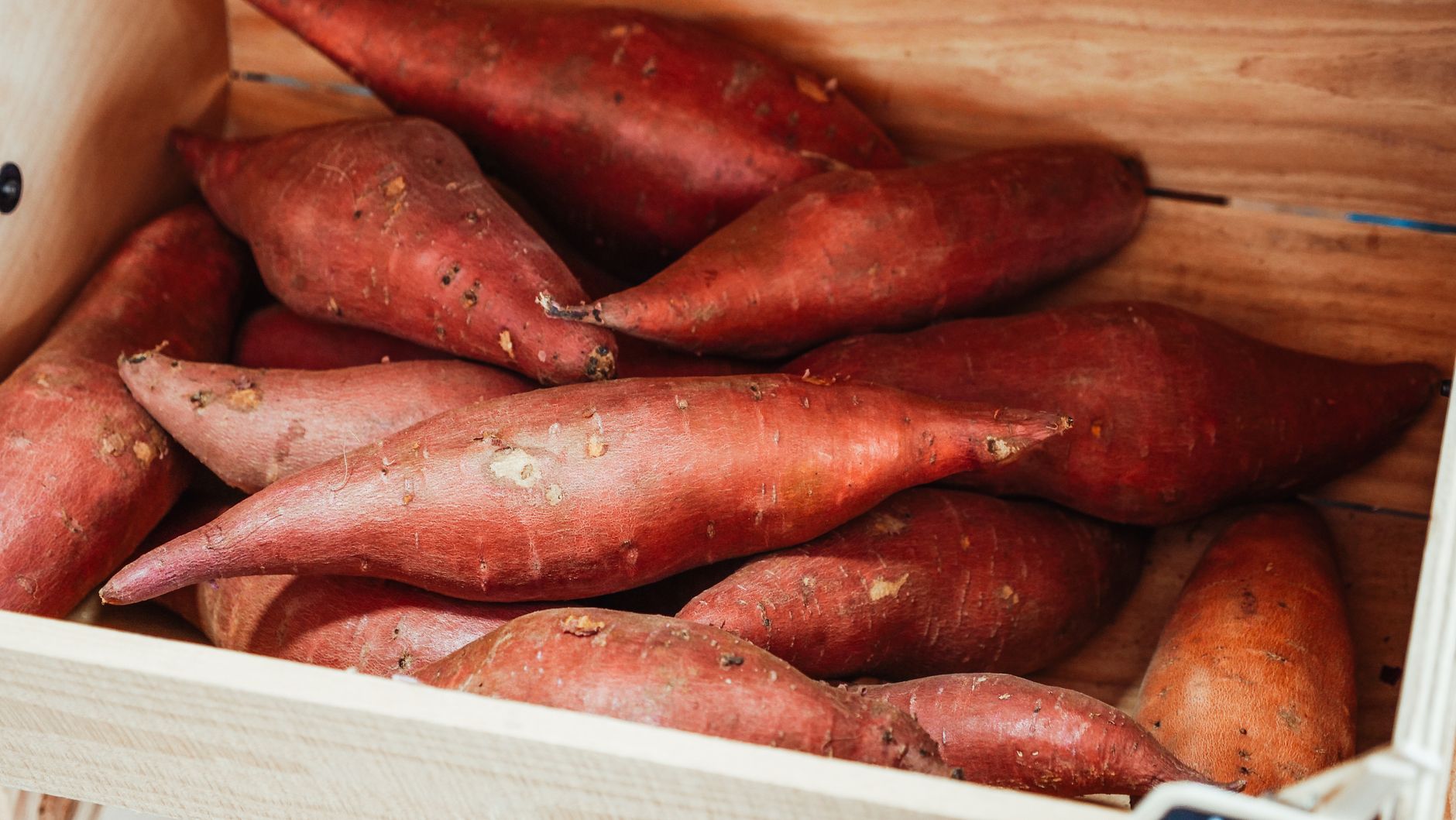
Sweet potatoes are a nutritious and versatile root vegetable, often praised for their rich flavor and numerous health benefits. As more people seek to eliminate gluten from their diets due to allergies, intolerances, or healthier eating practices, many are left wondering about the gluten status of various foods. This guide aims to clarify whether sweet potatoes are gluten-free and provide insights into cooking, preparing, and incorporating this vibrant tuber into your meals.
Understanding gluten is crucial before diving into sweet potatoes. Gluten is a protein found in wheat, barley, and rye. Importantly, sweet potatoes are naturally gluten-free, making them an excellent choice for those following a gluten-free diet. However, when preparing sweet potatoes, it’s essential to be aware of cross-contamination or other ingredients that may introduce gluten.
Is Sweet Potato Gluten Free?
Yes, sweet potatoes are gluten-free. They are a member of the morning glory family and contain no gluten proteins, making them safe for individuals with celiac disease and gluten sensitivity. When cooked and prepared simply—steamed, roasted, or mashed—they provide a nutritious option without gluten-related concerns.
Exploring the Nutritional Profile of Sweet Potatoes
Sweet potatoes are not only gluten-free but also packed with nutrients. They are an excellent source of vitamins A and C, fiber, and antioxidants, making them a healthy addition to any diet. Here’s a snapshot of their nutritional benefits:
- Vitamin A: Essential for eye health, immune function, and skin health.
- Vitamin C: Important for immune function and skin health, and acts as an antioxidant.
- Fiber: Aids digestion and contributes to long-lasting satiety.
- Potassium: Vital for heart health and regulating blood pressure.
Choosing the Right Sweet Potatoes
When shopping for sweet potatoes, variety and selection are crucial for flavor and cooking versatility. Here are some common varieties:
- Orange sweet potatoes: These are the most common type, often sweeter and moist when cooked.
- White sweet potatoes: They have a drier texture and less sweetness compared to orange varieties.
- Purple sweet potatoes: Known for their vibrant color and slightly nutty flavor.
Look for firm potatoes without blemishes or sprouts. Store them in a cool, dark place for up to two weeks for optimal freshness.
How to Prepare Sweet Potatoes
Preparing sweet potatoes is straightforward, but there are various methods to enhance their natural sweetness and flavor. Here are some popular cooking methods:
Boiling
- Scrub the sweet potatoes under running water and peel if desired.
- Cut them into small, uniform pieces for even cooking.
- Place in a pot of boiling salted water.
- Cook for approximately 15-20 minutes until tender, then drain.
Roasting
- Preheat your oven to 400°F (200°C).
- Scrub and peel the sweet potatoes, then cut them into wedges or cubes.
- Toss with olive oil, salt, and any desired spices.
- Spread on a baking sheet and roast for 25-30 minutes, flipping halfway through.
Mashing
- Boil or steam sweet potatoes until tender.
- Drain and return to the pot.
- Mash with a potato masher or fork, adding butter, salt, and any desired seasonings.
Common Recipes Featuring Sweet Potatoes
Sweet potatoes can be incorporated into various dishes, from savory to sweet. Here are some recipes:
Sweet Potato Casserole
This classic dish combines mashed sweet potatoes with a crunchy topping. To make it gluten-free, ensure that the crunchy topping uses gluten-free breadcrumbs.
Sweet Potato Fries
These are a healthier alternative to traditional fries. Slice sweet potatoes into thin strips, season with olive oil and spices, and roast in the oven until crispy.
Sweet Potato Pancakes
Incorporate mashed sweet potatoes into pancake batter for a nutritious breakfast option. Use gluten-free flour to keep the pancakes safe for those avoiding gluten.
Allergy Considerations with Sweet Potatoes
While sweet potatoes themselves are gluten-free, it’s essential to be mindful of potential allergens that may come from how they are prepared or the ingredients used. Here are some key points:
- Cross-contamination: If cooking sweet potatoes in kitchens or with utensils that also handle gluten-containing foods, the risk of cross-contamination increases. It’s important to use separate cooking equipment if you have a serious gluten intolerance.
- Prepackaged or processed sweet potato products: Always check labels on frozen sweet potato fries, gnocchi, or chips, as they may contain gluten or be processed in facilities that handle gluten products.
- Accompaniments and toppings: Be cautious with sauces, dips, or toppings served with sweet potatoes; many sauces may have gluten-based ingredients.
Storage and Preparation Tips
Proper storage and preparation increase the shelf life and quality of sweet potatoes:
Storage
- Store unwashed sweet potatoes in a cool, dry, and dark place.
- Avoid refrigeration, as cold temperatures can alter flavor and texture.
- Once cooked, sweet potatoes can be stored in an airtight container in the refrigerator for up to five days.
Preparation Tips
- Always scrub sweet potatoes before cooking to remove any dirt and pesticides.
- For meal prep, batch cook sweet potatoes and incorporate them into various meals throughout the week.
- Experiment with different seasonings and cooking techniques to discover new flavors.
Significance in Gluten-Free Diets
The rising popularity of gluten-free diets has brought attention to versatile vegetables such as sweet potatoes. Including naturally gluten-free foods in your meals promotes a balanced and nourishing diet. Sweet potatoes are particularly popular due to their satisfying texture and capability to absorb flavors, making them a staple in many gluten-free recipes.
Additionally, sweet potatoes come with several health benefits that align well with dietary goals, contributing to overall well-being. They are a filling, flavorful option for breakfast, lunch, or dinner, making them an easy component of gluten-free meal plans.
Exploring Sweet Potato Variations
Besides traditional sweet potatoes, there are several variations to explore:
- Yams: Often confused with sweet potatoes, true yams are starchier and drier, typically found in African and Caribbean cuisine.
- Baby sweet potatoes: These mini sweet potatoes are sweeter and can be used in similar ways as regular ones for a fun presentation.
- Sweet potato noodles: These can be a gluten-free substitute for traditional pasta and are often used in Asian dishes.
Sweet Potato in Global Cuisines
Sweet potatoes are celebrated worldwide in various culinary traditions. Here are a few notable uses:
- Asian cuisine: Sweet potatoes are sometimes used in desserts and congee, or as a filling in dumplings.
- Caribbean cuisine: They are often incorporated into stews, pies, and side dishes.
- American cuisine: In the U.S., sweet potatoes are star ingredients in Thanksgiving dishes and various regional sides.
Exploring sweet potato dishes from different cultures offers delicious insights and a celebration of this versatile ingredient.
Practical Tips for Cooking with Sweet Potatoes
While sweet potatoes are straightforward to prepare, here are some practical cooking tips to enhance your experience:
- Don’t overcook: Whether boiling or roasting, keep a close eye on cooking time to maintain texture.
- Flavor pairings: Sweet potatoes pair well with spices like cinnamon and nutmeg or savory flavors like garlic and rosemary.
- Use leftovers wisely: Leftover sweet potatoes can be used in smoothies, salads, or blended into soups for added creaminess.
Conclusion
Sweet potatoes are indeed gluten-free and present a wealth of culinary possibilities. Their adaptability and rich flavor make them an exciting addition to any meal, providing nutrition without the risk of gluten. By exploring various cooking techniques and recipes, you can create delicious meals while maintaining dietary restrictions.
For more delicious ideas, check out our sweet potato cornbread recipe or discover the white sweet potato recipe for a delightful twist on this beloved ingredient.