
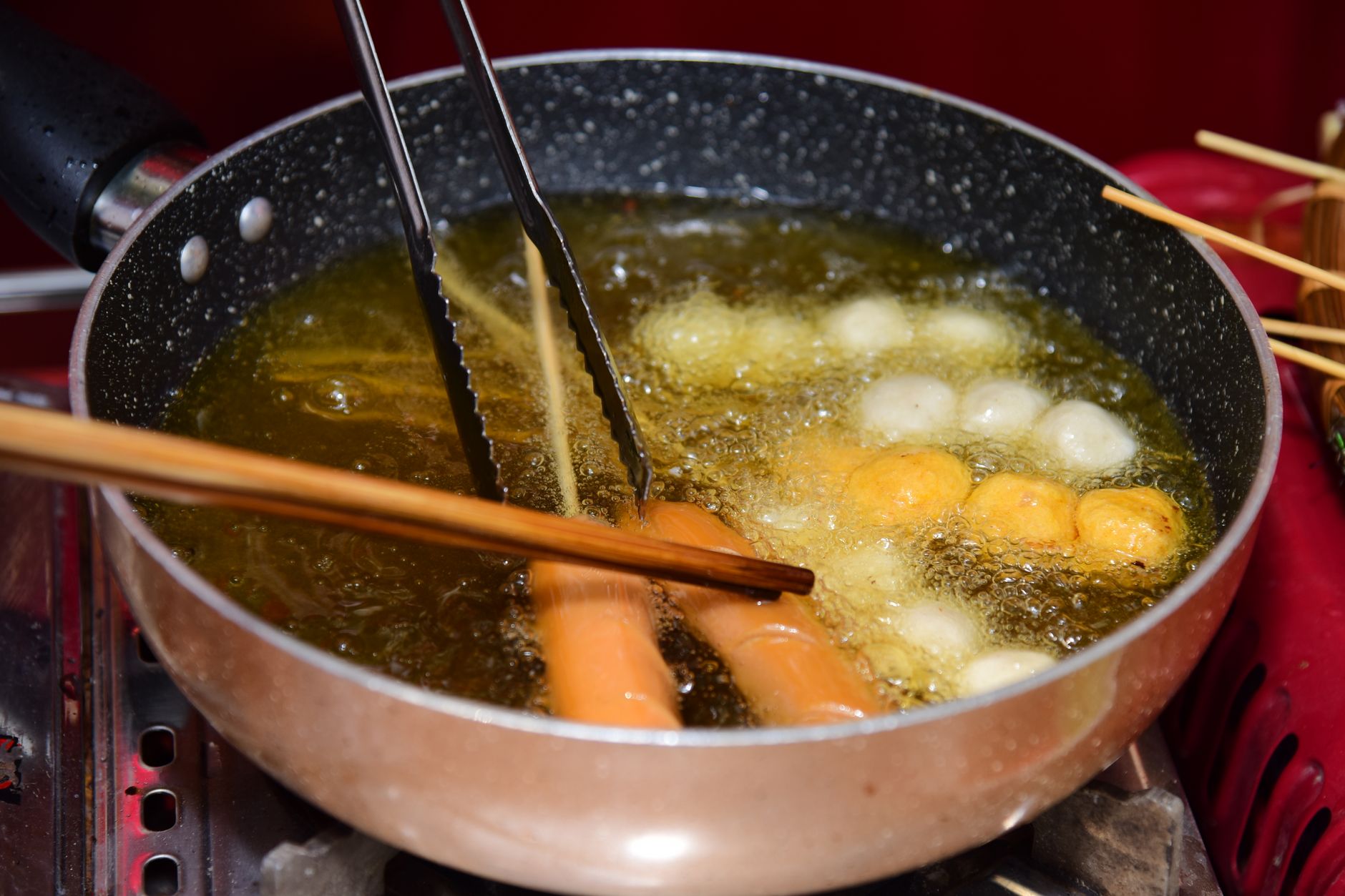
Sunflower oil has emerged as a popular cooking oil, particularly for frying due to its favorable properties. This article delves into its suitability for frying, exploring its nutritional profile, benefits, and potential drawbacks, as well as how it compares to other frying oils.
We will also discuss portions, cooking techniques, and provide practical tips on using sunflower oil effectively in frying. Whether you’re an experienced cook or just starting, understanding sunflower oil’s unique characteristics can help you make informed cooking decisions.
Is Sunflower Oil Good for Frying?
Yes, sunflower oil is generally considered good for frying. It has a high smoke point, making it suitable for high-heat cooking methods like frying. Additionally, its neutral flavor allows the natural taste of food to shine through, enhancing dishes without overwhelming them.
Understanding Sunflower Oil
Sunflower oil is extracted from sunflower seeds and comes in various types, including refined, unrefined, and high oleic. Each type has distinct characteristics that influence its use in cooking.
Types of Sunflower Oil
- Refined Sunflower Oil: This oil is processed to remove impurities, making it suitable for high-temperature cooking like frying. It has a neutral taste and a high smoke point of around 440°F (227°C).
- Unrefined Sunflower Oil: This type is less processed and retains more of the sunflower’s flavor and nutrients. It has a lower smoke point, making it less suitable for frying.
- High Oleic Sunflower Oil: High in monounsaturated fats, this variety has a higher smoke point and improved stability, making it ideal for frying and sautéing.
Nutritional Profile of Sunflower Oil
Sunflower oil is primarily composed of fats, with a notable presence of polyunsaturated and monounsaturated fats. Understanding this profile can help you determine its overall health benefits.
Fats and Fatty Acids
Sunflower oil is high in linoleic acid (omega-6 fatty acid) and oleic acid (omega-9 fatty acid). While these fats can contribute to a balanced diet, they should be consumed in moderation, especially in relation to omega-3 fatty acids.
Vitamins and Antioxidants
Sunflower oil is also a source of vitamin E, a powerful antioxidant that can help protect cells from oxidative stress. This vitamin contributes to heart health and may have anti-inflammatory properties.
Calories
Sunflower oil is calorically dense, with approximately 120 calories per tablespoon. It’s important to use it mindfully within the context of a balanced diet.
Benefits of Using Sunflower Oil for Frying
Several benefits are associated with using sunflower oil for frying, making it a popular choice for home cooks and professional chefs alike.
High Smoke Point
The high smoke point of refined sunflower oil allows it to withstand the heat required for frying without breaking down or creating harmful compounds, which can happen with lower smoke point oils.
Neutral Flavor
Sunflower oil has a mild, neutral taste, which makes it versatile. It does not interfere with the flavors of the food being fried, allowing the ingredient’s natural flavors to shine.
Heart-Healthy Properties
Rich in unsaturated fats and vitamin E, sunflower oil can be a heart-healthy option when used in moderation. It may help to improve cholesterol levels and support overall cardiovascular health.
Versatility
In addition to frying, sunflower oil is suitable for other cooking methods including sautéing, baking, and salad dressings, making it a versatile staple in the kitchen.
Potential Drawbacks of Sunflower Oil
While sunflower oil has many benefits, there are some considerations and potential drawbacks to keep in mind.
Omega-6 Fatty Acid Ratio
A high intake of omega-6 fatty acids, like those found in sunflower oil, can promote inflammation if not balanced by omega-3 fatty acids. It’s important to maintain a balanced intake of these fats through diet.
Processing Concerns
Many commercially available sunflower oils are highly refined, which may strip away some nutrients. Choosing unrefined or high oleic options when possible can help mitigate this concern.
How to Use Sunflower Oil for Frying
Using sunflower oil for frying is straightforward, but to achieve the best results, it’s essential to understand the technique and portioning.
Choosing the Right Pan
A heavy-bottomed pan or a deep fryer is ideal for frying as it ensures even heat distribution. Cast iron or stainless steel pans work well for frying with sunflower oil.
Determining the Right Temperature
To achieve crispy, evenly fried food, heat the sunflower oil to the appropriate temperature. Generally, this is between 350°F to 375°F (175°C to 190°C) for most frying tasks.
Portion Sizes and Cooking Times
When frying, portion sizes can impact cooking times and oil temperature. Here’s a guideline for frying common foods:
Common Frying Portions
- Potato Fries: 1-2 cups, fry in batches for about 5-7 minutes until golden brown.
- Chicken Pieces: 2-4 pieces, fry for about 10-15 minutes, depending on size, until the internal temperature reaches 165°F (74°C).
- Tempura Vegetables: 1 cup, fry for about 2-5 minutes until lightly golden.
Tips for Frying with Sunflower Oil
Here are some helpful tips to enhance your frying experience and ensure safety in the kitchen.
Maintain Oil Temperature
Keep an eye on the oil temperature using a thermometer. If the oil is too cool, food can absorb excess oil and become greasy. If it’s too hot, the food may burn.
Don’t Overcrowd the Pan
Frying too much food at once can lower the oil temperature and lead to soggy results. Fry in small batches for best outcomes.
Drain Excess Oil
After frying, allow food to drain on paper towels to remove excess oil. This helps maintain the desired crispiness and reduces calorie intake from oil.
Common Mistakes to Avoid When Frying
Frying can be tricky, and avoiding common pitfalls can lead to better results.
Ignoring Safety Precautions
Frying can be dangerous due to the hot oil. Always monitor the cooking process, never leave it unattended, and keep a fire extinguisher nearby.
Using Old Oil
Using oil that has been used multiple times can lead to off-flavors and health risks. Strain and store oil properly if reusing, and avoid using it beyond its smoke point.
Overcooking or Undercooking
Using a thermometer to monitor oil temperature and food doneness will help prevent overcooking or undercooking, ensuring that food is both safe and delicious.
Storage and Reusing Sunflower Oil
Storing sunflower oil properly and understanding how to reuse it can extend its lifespan and maintain quality.
How to Store Sunflower Oil
Store sunflower oil in a cool, dark place, away from direct sunlight and heat. Keep the lid tightly closed to prevent oxidation.
Reusing Fried Oil
You can reuse sunflower oil, provided it hasn’t been overheated or contaminated. Strain it through a coffee filter or cheesecloth to remove food particles. Store it in a dark container for up to a month, checking for any off-odors before use.
Sunflower Oil vs. Other Frying Oils
When choosing a frying oil, it may help to see how sunflower oil stacks up against other options.
Canola Oil
Canola oil also has a high smoke point and a neutral flavor similar to sunflower oil. However, it contains a higher omega-3 fatty acid ratio, making it a slightly healthier alternative.
Vegetable Oil
Vegetable oil is often a blend of various oils and has a similar smoke point and versatility as sunflower oil, but its exact composition can vary.
Olive Oil
While olive oil is heart-healthy and flavorful, its lower smoke point makes it less suitable for deep frying. It’s better used for sautéing or dressings.
Conclusion
Sunflower oil is a versatile and effective choice for frying, offering a high smoke point, neutral flavor, and heart-healthy properties. By following proper frying techniques and being aware of its nutritional aspects, you can enjoy delicious fried dishes that complement your meals. Make sure to choose the right type of sunflower oil and maintain mindful portion sizes for the best frying experience.
If you’re interested, you can explore more related content, such as our fry seasoning recipe or try making fried cornbread for a tasty addition to your meal! Enjoy your cooking adventures!