
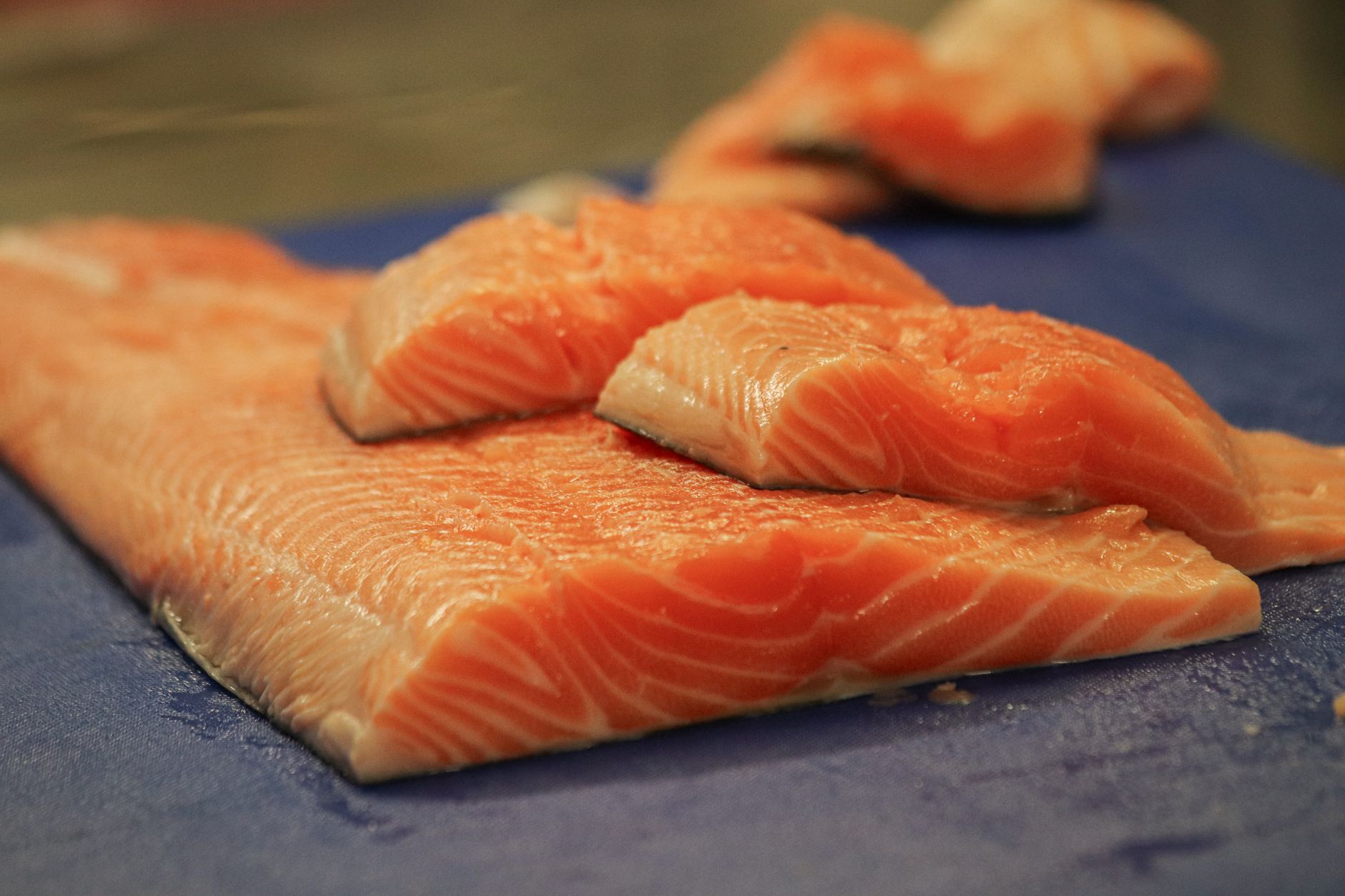
When exploring seafood options, many home cooks encounter both steelhead and salmon, often wondering if they are the same. While steelhead trout and salmon share similarities, they are distinct species with different characteristics. This guide will clarify their differences, culinary uses, and help you choose the right fish for your next meal.
Understanding these two fish can enhance your cooking experience and broaden your culinary repertoire. Let’s dive into the key differences and uses of steelhead and salmon.
Is Steelhead the Same as Salmon?
No, steelhead is not the same as salmon. Steelhead trout (Oncorhynchus mykiss) is a part of the salmon family, but it is a distinct species. It shares some characteristics with salmon, such as flavor and texture, but they have notable differences in appearance, habitat, and culinary uses.
Key Differences Between Steelhead and Salmon
Species and Classification
Steelhead trout and salmon both belong to the family Salmonidae, but they are different species. Steelhead are a variant of the rainbow trout, known for migrating to the ocean and returning to freshwater streams to spawn. On the contrary, there are several species of salmon, including Chinook, Coho, and Sockeye, each with unique flavors and textures.
Appearance and Color
Steelhead trout have a recognizable silver skin with a slight pinkish hue and bright, shiny scales. They often display a pink stripe along their sides. Salmon, meanwhile, varies greatly in color depending on the species but typically has a more vivid red or orange flesh. Chinook salmon, for example, can have rich, deep hues, while Coho can range from red to nearly white.
Flavor Profile
The flavors of steelhead and salmon differ subtly. Steelhead has a milder, slightly sweeter taste, often described as less oily than salmon. On the other hand, salmon tends to have a richer, more pronounced flavor, which can vary in intensity among the different species. This difference in taste can affect your dish’s overall character.
Texture
Texture also sets these two fish apart. Steelhead’s flesh is slightly firmer and less flaky compared to salmon, which tends to be richer and more buttery. This can influence how each fish is cooked and what type of preparation method works best.
Nutritional Benefits
Both steelhead and salmon are excellent sources of omega-3 fatty acids, high-quality protein, and essential vitamins and minerals. However, salmon generally contains a higher fat content, particularly the oily varieties like Chinook. This can lead to differences in cooking methods and dietary benefits.
Culinary Uses: When to Choose Steelhead or Salmon
Knowing the distinct attributes of each fish can help you decide which to use based on the dish you are preparing. Here we explore the best uses for both steelhead and salmon.
Cooking Techniques
Both steelhead and salmon can be prepared using a variety of cooking techniques, including baking, grilling, poaching, and pan-searing. Here are some recommendations:
- Baking: Both fish work well when baked, but salmon can benefit from glaze or marinade due to its rich flavor.
- Grilling: Steelhead takes well to grilling due to its firmer texture, allowing it to hold up on the grill grates. Salmon requires careful handling to prevent it from falling apart.
- Poaching: Poaching is a gentle way to cook both fish, resulting in moist and tender fillets. Add herbs or aromatics for enhanced flavor.
- Pan-Searing: This method works particularly well for salmon, as it helps render out some fat and develop a crispy skin. Steelhead also benefits from this technique, presenting an appealing crust.
Pairing Suggestions
Flavor pairing is crucial when it comes to creating a well-balanced dish. Here are some accompaniments that work well with each fish:
Steelhead Pairings
- Citrus fruits like lemon and oranges
- Herbs such as dill, parsley, or chives
- Sautéed vegetables like spinach or asparagus
- Grains like quinoa or farro
Salmon Pairings
- Sweet and savory glazes, including teriyaki or maple syrup
- Bold herbs like rosemary and thyme
- Rich sauces, such as hollandaise or creamy dill sauce
- Starches like mashed potatoes or rice
Recipes Featuring Steelhead and Salmon
Whether you choose steelhead or salmon, cooking with either fish can yield delicious results. Below are two recipes that highlight each fish’s unique qualities.
Steelhead Trout Recipe: Herb-Crusted Baked Steelhead
This dish features steelhead trout baked with a fragrant herb crust. It’s a simple yet flavorful option, highlighting the fish’s natural taste.
Servings: 2
Preparation Time: 10 minutes
Cooking Time: 20 minutes
Total Time: 30 minutes
Ingredients
- 2 steelhead trout fillets (about 6 ounces each)
- 1/4 cup breadcrumbs
- 2 tablespoons fresh parsley, chopped
- 1 tablespoon fresh dill, chopped
- 1 lemon, zested and juiced
- 2 tablespoons olive oil
- Salt and pepper to taste
Essential Equipment
- Baking sheet
- Parchment paper (optional)
- Mixing bowl
- Cooking spoon
Method
- Preheat your oven to 400°F (200°C).
- Line a baking sheet with parchment paper, if using. Place the steelhead fillets on the baking sheet.
- In a mixing bowl, combine breadcrumbs, parsley, dill, lemon zest, olive oil, salt, and pepper until well mixed.
- Top each steelhead fillet with the herb mixture, pressing it gently to adhere.
- Drizzle lemon juice over the fish, then bake for 15–20 minutes, or until the fish is opaque and flakes easily with a fork.
Salmon Recipe: Maple-Dijon Glazed Salmon
This recipe infuses salmon with a sweet and tangy glaze that complements its rich flavor beautifully.
Servings: 4
Preparation Time: 10 minutes
Cooking Time: 15 minutes
Total Time: 25 minutes
Ingredients
- 4 salmon fillets (about 6 ounces each)
- 1/4 cup pure maple syrup
- 2 tablespoons Dijon mustard
- 1 tablespoon soy sauce
- 1 teaspoon garlic powder
- 1/2 teaspoon black pepper
- Salt to taste
Essential Equipment
- Baking dish
- Whisk
- Mixing bowl
Method
- Preheat your oven to 375°F (190°C).
- In a mixing bowl, whisk together maple syrup, Dijon mustard, soy sauce, garlic powder, black pepper, and salt.
- Place the salmon fillets in a baking dish and pour the glaze over them, ensuring they are well coated.
- Bake for 12–15 minutes or until the salmon is cooked through and flakes easily with a fork.
Substitutions and Variations
If steelhead or salmon is unavailable, consider these alternatives:
Alternative Fish Options
- Trout: Other trout varieties can substitute for steelhead in most recipes, though flavor may differ slightly.
- Whitefish: Suitable as a substitute in dishes requiring milder flavors.
- Catfish: This can work for fried preparations but has a different texture and taste.
Flavor Adjustments
Depending on the substitution, you may need to adjust the seasoning:
- For milder fish, consider using bolder spices.
- For a richer flavor, add more fat or garnishes, such as avocado or creamy sauces.
Common Mistakes and Troubleshooting
Understanding how to cook with steelhead and salmon can prevent common pitfalls in the kitchen.
Cooking Temperature
Fish can dry out quickly if overcooked. Use a food thermometer; the ideal internal temperature for finfish is 145°F (63°C). Let your fish rest for a few minutes after removing it from the heat to allow residual cooking.
Seasoning
Season your fish before cooking. Many cooks apply salt too late, which can result in bland fish. Salt should be applied before cooking or marinating fish for the best flavor.
Storage and Reheating Guidelines
Proper storage extends the life of your steelhead or salmon:
- Refrigeration: Store raw fish in the coldest part of your refrigerator wrapped tightly in plastic. Use within 1-2 days for optimal freshness.
- Leftovers: Cooked fish can be stored in an airtight container in the refrigerator for up to 3 days. Reheat gently in the oven at a low temperature to avoid overcooking.
- Freezing: Both raw and cooked fish can be frozen. Wrap tightly in plastic and aluminum foil or vacuum seal. Use within 2-3 months for best quality.
Conclusion
Steelhead and salmon may not be the same, but they each offer unique qualities that enhance a variety of dishes. Whether you prefer the milder flavor of steelhead or the rich taste of salmon, both are versatile fish to incorporate into your meals. Don’t hesitate to try new recipes, experiment with flavors, and enjoy the delightful culinary possibilities that these fish provide.
For more culinary inspiration, explore additional recipes like how to cook Tilapia or check out our steelhead trout recipe for a delicious meal idea.