
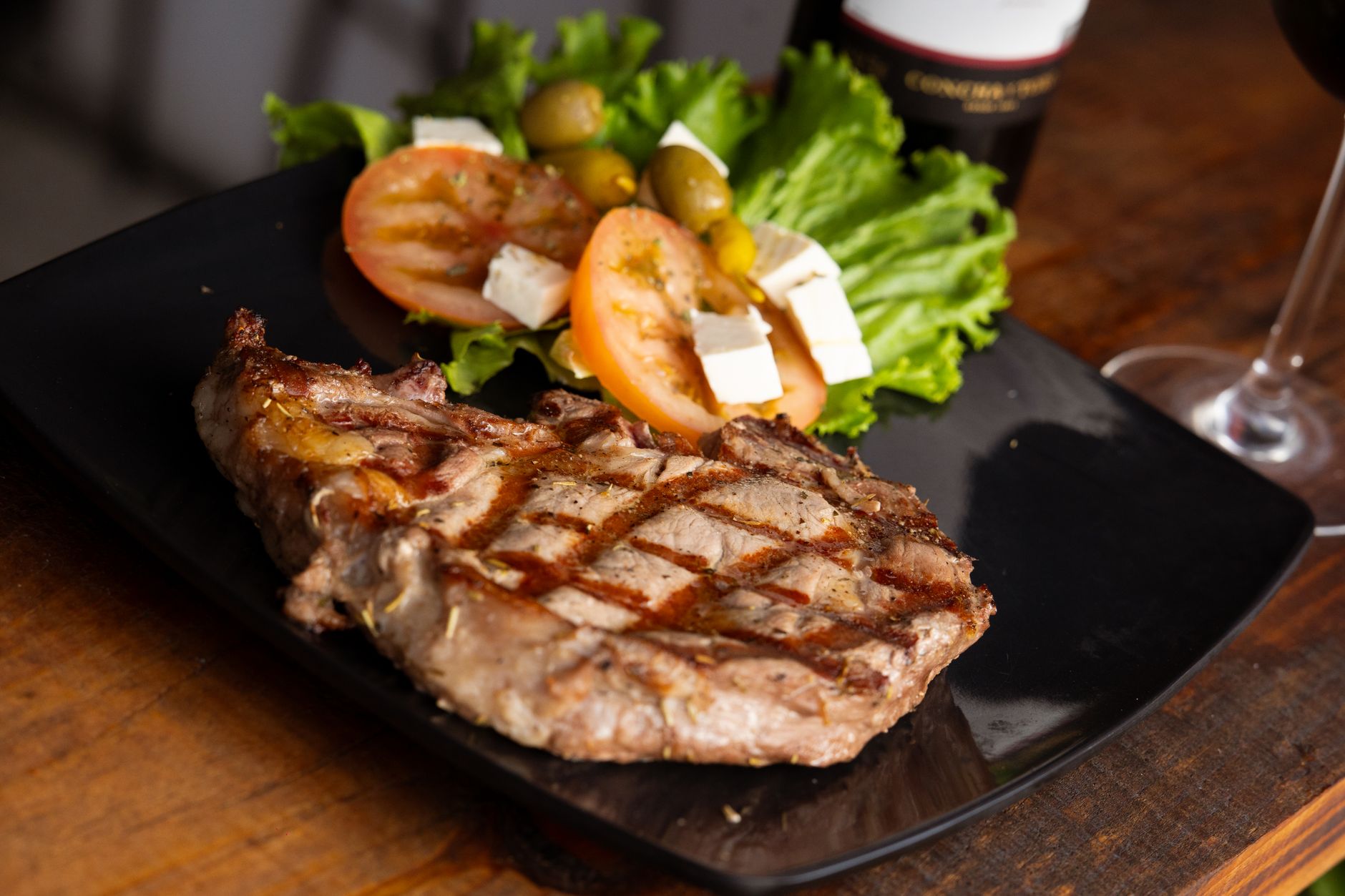
When considering the nutritional values of foods, sodium content often comes into play, especially for those monitoring their intake. Steak, a popular protein choice, raises questions about its sodium levels. Is steak high in sodium? Understanding this will help you make informed dietary decisions, especially if you’re managing health concerns like hypertension.
This article delves into the sodium content of various types of steak, exploring how cooking methods and seasonings can impact the overall sodium levels. Furthermore, we will examine serving sizes, nutritional benefits, and tips for balancing sodium in your diet while enjoying steak as part of your meals.
Is Steak High in Sodium?
No, steak itself is not inherently high in sodium. A standard serving of unseasoned, cooked steak contains naturally occurring sodium levels that are relatively low compared to processed meats. However, the sodium content can increase significantly depending on how the steak is prepared and what seasonings or sauces are used.
Understanding Sodium in Steak
Sodium is an essential mineral that the body needs for various functions, including maintaining fluid balance and transmitting nerve impulses. However, excessive sodium intake can lead to health issues, including high blood pressure and increased risk of heart disease.
Nutritional Content of Steak
To better understand the sodium levels in steak, it’s essential to look at its overall nutritional profile. Here’s a general overview based on a 3-ounce serving of cooked lean beef steak:
- Calories: Approximately 200-250
- Total Fat: 10-20 grams
- Saturated Fat: 3-8 grams
- Protein: 25-30 grams
- Carbohydrates: 0 grams
- Sodium: About 50-70 mg
As indicated, a 3-ounce serving of steak will typically contain about 50 to 70 milligrams of sodium, which is considered low. This is particularly true when compared to processed meats, like bacon or deli meats, which can contain upwards of 1,000 milligrams of sodium in similar serving sizes.
Types of Steak and Their Sodium Content
Diverse cuts of steak may have slightly different sodium levels, mainly depending on the fat content rather than the cut itself. Here are a few common types of steak with their approximate sodium content:
- Ribeye Steak: 60-80 mg of sodium (3 oz)
- Sirloin Steak: 50-70 mg of sodium (3 oz)
- T-bone Steak: 60-80 mg of sodium (3 oz)
- Filet Mignon: 50-70 mg of sodium (3 oz)
It is essential to note that while these values are estimates, the actual amounts can vary depending on factors such as the animal’s diet and preparation methods.
Cooking Methods Affecting Sodium Levels
The way steak is cooked can significantly impact its sodium levels. Here are some common cooking methods and how they can influence sodium content:
- Grilling or Broiling: These methods allow excess fat to drip away, and if no additional salt is added during cooking, the sodium content remains similar to raw steak.
- Searing: Searing steak can also retain more moisture and flavor without adding sodium, provided you don’t season heavily.
- Slow Cooking: Using slow cooking techniques might necessitate the addition of sodium-rich sauces, such as teriyaki or barbecue sauce, which can elevate the sodium content significantly.
- Brining: While some cooks brine steaks for added flavor and tenderness, this method typically increases the sodium content considerably.
Seasonings and Marinades
One of the most common ways sodium levels in steak increase is through the use of seasonings and marinades. Understanding the sodium potential of these ingredients is crucial for those monitoring their intake.
Common Seasonings and Their Sodium Content
Below are some typical seasonings and marinades that might be used on steak and their approximate sodium content per serving:
- Table Salt: Approximately 2,300 mg (1 teaspoon)
- Garlic Salt: Approximately 1,020 mg (1 teaspoon)
- Soy Sauce: Approximately 1,000 mg (1 tablespoon)
- BBQ Sauce: Approximately 200-400 mg (2 tablespoons)
- Teriyaki Sauce: Approximately 600 mg (1 tablespoon)
As you can see, just a teaspoon of table salt exceeds the recommended daily sodium intake, which is less than 2,300 mg for most adults. It’s vital to use seasonings thoughtfully.
Tips for Managing Sodium Intake with Steak
If you’re trying to enjoy steak while managing your sodium intake, consider these practical tips:
- Opt for fresh herbs and spices instead of salt for seasoning. They add flavor without extra sodium.
- Limit the use of pre-packaged marinades that tend to be high in sodium.
- Use lower-sodium soy sauce or alternatives, which can substantially reduce sodium levels.
- When brining, consider using less salt or marinating for shorter periods to balance flavor without excess sodium.
- Pair steak with low-sodium sides, like steamed vegetables or salads, to create a balanced meal.
Health Considerations When Eating Steak
Steak provides essential nutrients, including protein, iron, and B vitamins, making it a valuable part of a balanced diet. However, if sodium intake is a concern for you, consider the following health aspects:
Moderation Is Key
Even though steak has a low natural sodium content, moderation is essential. Eating steak too frequently, especially alongside sodium-rich sides or sauces, can contribute to higher sodium intake.
Consider Lean Cuts
Choosing leaner cuts of steak can also be beneficial for overall health. Cuts such as sirloin and flank steak provide good nutrition with less saturated fat.
Sodium Awareness
Educate yourself on sodium values in condiments, especially those used in grilling or marinating. Being aware of sodium can help you make healthier choices.
Enjoying Steak: Suggested Serving Sizes
Understanding proper serving sizes can help balance enjoyment and nutrition. A recommended serving size for steak is about 3 ounces, which can ensure you enjoy the protein benefits without excessive sodium.
Portion Control Tips
- Use measuring tools to help gauge proper serving sizes.
- Plate half your plate with vegetables or salad, reserving a portion for steak.
- Consider sharing larger cuts of steak to control portions and sodium intake.
What to Pair with Steak
The accompaniments you choose can also influence the overall sodium content of your meal. Here are some healthier options to consider:
- Grilled or Roasted Vegetables: Options like zucchini, bell peppers, and asparagus complement steak nicely without adding excess sodium.
- Whole Grains: Serve your steak alongside quinoa or brown rice for added nutrients and fiber without heavy sodium content.
- Salads: Green salads with vinaigrette can provide a refreshing balance and are easily customizable to stay low in sodium.
Make-Ahead Steak Meal Prep
If you enjoy steak but find yourself short on time, meal prepping can be invaluable. Here’s how you can plan a week’s worth of low-sodium steak meals:
Meal Prep Steps
- Choose your cuts of steak and season with low-sodium spices and herbs.
- Cook all the steaks in one sitting, following your preferred method.
- Let the steak cool before slicing into portions.
- Store prepared steak in airtight containers with labels, indicating contents and date.
- Pair with pre-portioned sides, such as vegetables or whole grains, to complete the meal.
Storage Guidelines
Cooked steak can be stored in the refrigerator for about 3-4 days or frozen for up to 6 months. To reheat, microwave or use a skillet on low heat to retain moisture.
Conclusion: Enjoying Steak Wisely
Steak can be a delightful and nutritious part of your diet without being high in sodium. By being mindful of cooking methods, seasoning choices, and serving sizes, you can enjoy steak flavorfully while maintaining a balanced sodium intake.
Consider exploring delicious seasonings, like homemade steak seasoning recipes or Montreal steak seasoning, which can add flavor without the additional sodium burden. These choices can make preparing steak more enjoyable and less worrisome!
For further insights into enhancing your steak dishes, check out our recipes for steak seasoning and Montreal steak seasoning.