
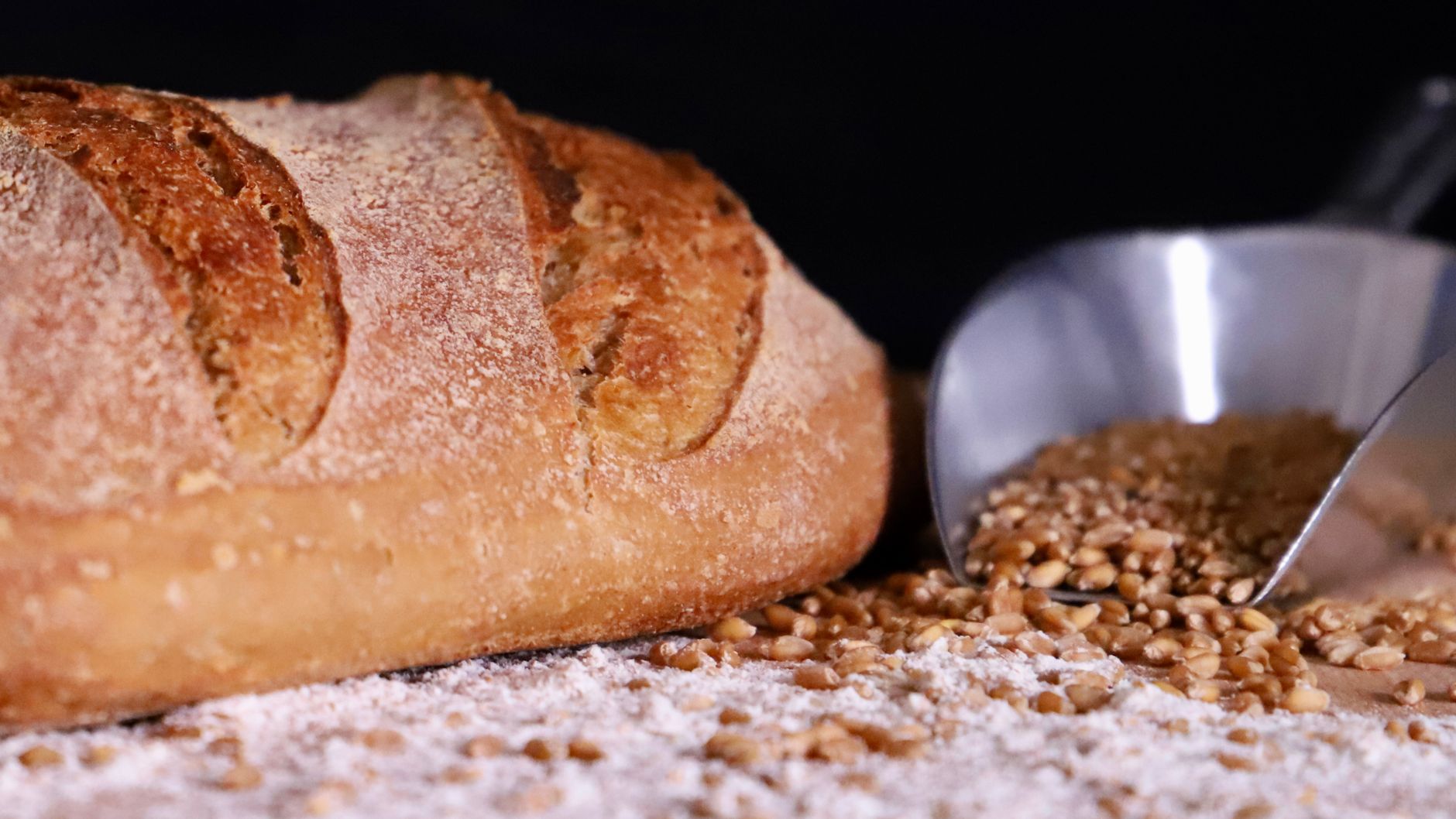
With its tangy flavor and chewy texture, sourdough bread has captured the hearts of many bread lovers. However, increasingly, people are asking, is sourdough better for you than other types of bread? This comprehensive guide delves into the nutritional aspects of sourdough, its health benefits, and various ways to incorporate it into your diet.
Sourdough bread is not just a delicious bread option; it also has unique qualities that may be beneficial for health. We’ll explore the fermentation process, how it impacts digestion, its potential lower glycemic index, and ways you can use sourdough in your meals.
Is Sourdough Better for You?
The short answer is yes; sourdough can be healthier than many conventional types of bread. The fermentation process used in sourdough preparation leads to several benefits. The presence of lactic acid bacteria during fermentation enhances nutrient absorption and may promote gut health. Moreover, sourdough bread tends to have a lower glycemic index, making it a better option for those looking to manage blood sugar levels.
What Makes Sourdough Unique?
The distinguishing feature of sourdough is its unique fermentation process, which differs from that of commercially produced yeast breads. Traditional sourdough relies on a natural starter made from flour and water, which ferments over time, developing wild yeast and bacteria. This not only contributes to its flavor and texture but also offers several health benefits:
- Natural Leavening: Wild yeast creates a more complex flavor compared to commercial yeast.
- Gut Health: The fermentation process increases the number of beneficial bacteria.
- Lower Glycemic Index: Sourdough bread may cause a slower rise in blood sugar than regular bread.
- Increased Nutrient Availability: Phytic acid levels are reduced, allowing for better absorption of minerals.
Nutritional Comparison
When comparing sourdough bread to white and whole wheat bread, it becomes clear why sourdough is often viewed as a healthier option. Below is a comparison of the nutritional aspects of these types of bread.
| Bread Type | Calories per Slice | Carbohydrates (g) | Fiber (g) | Protein (g) | Glycemic Index |
|---|---|---|---|---|---|
| White Bread | 80 | 15 | 0.5 | 2.5 | 70 |
| Whole Wheat Bread | 80 | 14.5 | 2 | 4 | 69 |
| Sourdough Bread | 90 | 15 | 1.5 | 3 | 54 |
Health Benefits of Sourdough
Sourdough provides several health benefits, thanks to its unique fermentation process. Here are some notable advantages:
Improved Digestion
The fermentation process breaks down gluten and makes the bread more digestible. This can be especially beneficial for individuals with mild gluten sensitivity, although it is not suitable for those with celiac disease.
Better Nutrient Absorption
Sourdough bread has a lower amount of phytic acid due to fermentation. Phytic acid, found in many whole grains, can inhibit the absorption of minerals. By reducing its levels, sourdough allows for better uptake of nutrients such as zinc, magnesium, and iron.
Lower Glycemic Index
Sourdough tends to have a lower glycemic index compared to other breads. This means it may cause a more gradual increase in blood sugar levels, which is advantageous for those managing diabetes or looking to control their weight.
Probiotic Benefits
While the baking process typically kills off most live bacteria, the fermentation can result in bread that may retain some probiotic qualities, which support gut health.
Common Uses for Sourdough
This versatile bread can be used in countless ways. Here are some ideas for incorporating sourdough into your meals:
Breakfast Options
- Sourdough Toast: Top with avocado, poached eggs, or nut butter for a nutrient-packed breakfast.
- Sourdough Pancakes: Use your sourdough starter to make fluffy pancakes.
- Sourdough French Toast: Combine eggs and milk with vanilla extract to soak slices of sourdough for a delicious twist on classic French toast.
Lunch Ideas
- Sourdough Sandwiches: Create hearty sandwiches with various fillings like turkey, cheese, and plenty of vegetables.
- Open-Faced Sandwiches: Utilize sourdough as a base for rustic open-faced sandwiches topped with smoked salmon or hummus and roasted veggies.
- Salads with Sourdough Croutons: Make croutons from stale sourdough to add crunch to your salads.
Dinner Enhancements
- Sourdough Pizza: Use sourdough crust for a unique pizza experience.
- Stuffing for Poultry: Combine sourdough with herbs, vegetables, and broth for a flavorful stuffing.
- Sourdough Bowls: Hollow out a loaf of sourdough and fill it with your favorite soup for serving.
Snacks and Desserts
- Sourdough Muffins: Incorporate your sourdough starter into muffin recipes for a delicious twist.
- Sourdough Banbread: Add sourdough to banana bread for enhanced flavor and texture.
Making Sourdough Bread at Home
Making your own sourdough bread can be a satisfying endeavor that allows you to enjoy its numerous benefits fresh from your kitchen. Below is a step-by-step guide to help you get started.
Essential Equipment
- Mixing bowl
- Dutch oven or baking stone
- Proofing basket (banneton)
- Kitchen scale (for precise measurements)
- Sharp knife or bread lame (for scoring)
Basic Sourdough Recipe
This recipe yields one loaf of sourdough bread.
Preparation Time: 30 minutes
Fermentation Time: 6-12 hours (depending on room temperature)
Baking Time: 30-40 minutes
Ingredients
- 500g bread flour
- 350g water (room temperature)
- 100g sourdough starter (active and bubbly)
- 10g salt
Method
- Mixing: In a large mixing bowl, combine flour and water. Mix until you have a rough dough. Let it rest for 30 minutes (this is called autolyse).
- Add Ingredients: Add the sourdough starter and salt. Mix thoroughly until fully incorporated.
- Bulk Fermentation: Cover the bowl with a damp cloth and let the dough rise for 6-12 hours, performing stretch and folds every 30 minutes for the first two hours.
- Shaping: Once the dough has doubled in size, turn it onto a lightly floured surface and shape it into a round. Place it seam-side up in a proofing basket.
- Second Rise: Cover the dough and let it rise for 1-2 hours, or until it has noticeably puffed up.
- Baking: Preheat your oven to 450°F (232°C). Place a Dutch oven inside to heat up. Carefully place the dough into the pot, cover it, and bake for 30 minutes. Remove the lid and bake for an additional 10-15 minutes until golden brown.
- Cooling: Once baked, allow the bread to cool on a wire rack before slicing.
Common Mistakes and Troubleshooting
Here are some pitfalls to avoid when making sourdough bread:
- Not feeding the starter: An inactive starter can lead to poor gluten development and flavor. Regular feeding is crucial.
- Skipping the autolyse: Allowing the flour and water to rest before adding the starter helps with texture and flavor.
- Not baking long enough: Ensure your sourdough is fully cooked to achieve the desired crust.
Storage Tips for Sourdough Bread
Proper storage extends the life of your sourdough bread while maintaining its flavor and texture. Here are some recommendations:
- At Room Temperature: Store your sourdough bread in a paper bag or a cloth bread bag. Avoid plastic as it traps moisture and leads to a soggy loaf.
- In the Freezer: For long-term storage, slice the bread and wrap it tightly in plastic wrap and foil, then place it in a freezer bag. To use, let it thaw at room temperature.
Frequently Asked Questions
Here are some common questions about sourdough:
Can everyone eat sourdough?
While many people can enjoy sourdough, those with celiac disease should avoid it as it still contains gluten.
How often can I eat sourdough?
Sourdough can be included in a balanced diet regularly. Its health benefits make it a more favorable option compared to other bread types.
Is sourdough bread healthier than gluten-free bread?
It greatly depends on the ingredients used in gluten-free bread. Sourdough may offer better digestibility and nutrients for those who can consume gluten.
Final Thoughts
Sourdough contains beneficial qualities that, when compared to other types of bread, often make it a healthier choice. Its fermentation process enhances digestion, reduces phytic acid levels, and results in a lower glycemic index. Whether you choose to purchase it or bake your own, integrating sourdough into your diet can be a flavorful and nutritious experience.
To further explore the world of sourdough, check out our guides on what sourdough is and how to make sourdough naan. Each offers unique culinary opportunities to enjoy this time-honored bread.