
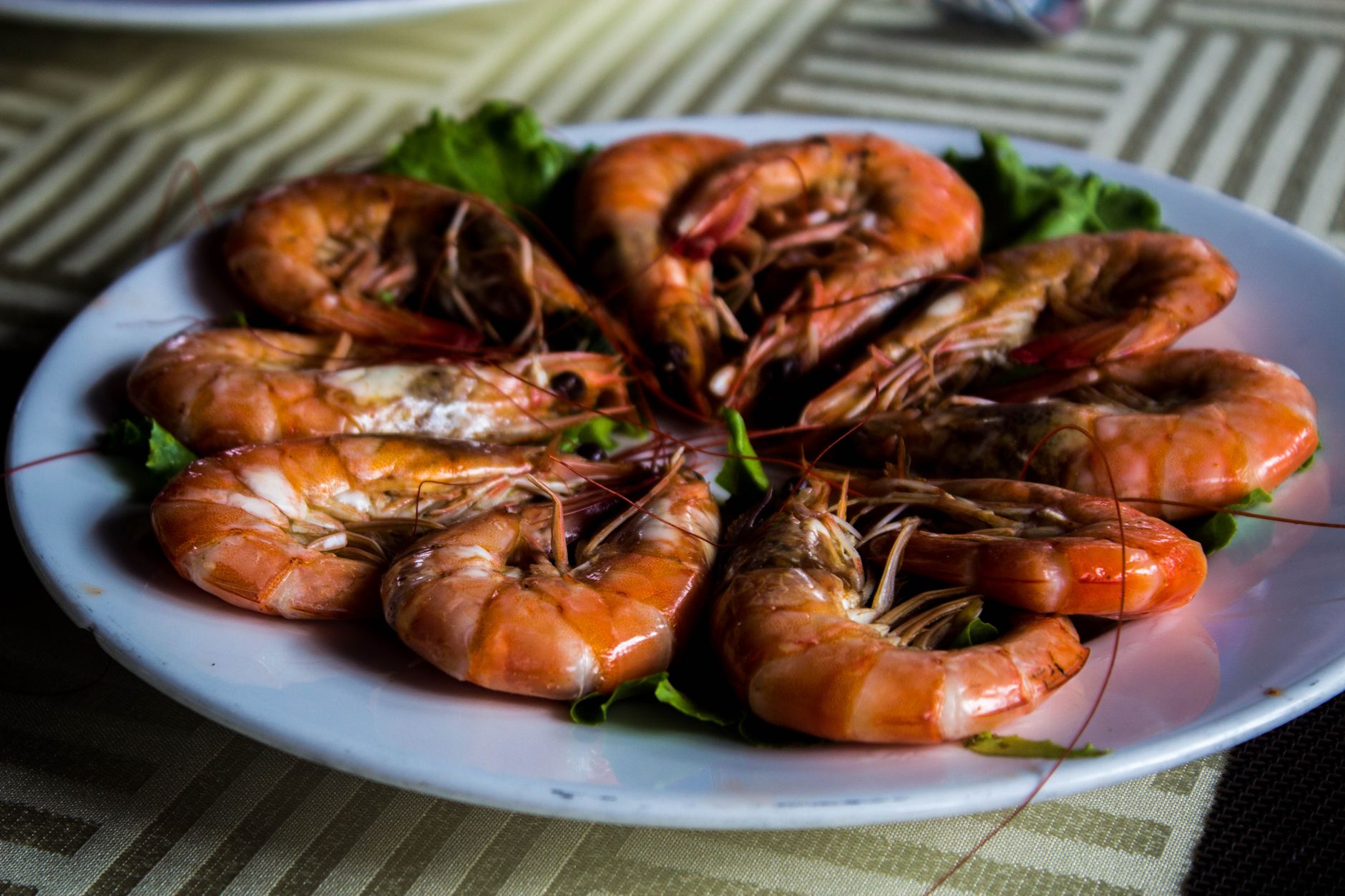
Shrimp is a popular seafood choice, famous for its delicate texture and versatility in a variety of dishes. Many people on the ketogenic (keto) diet often wonder whether shrimp fits into their low-carb eating plan. This article dives into the nutritional profile of shrimp, its portion sizes, and delicious meal ideas that complement a keto lifestyle.
Understanding whether shrimp is keto-friendly involves examining its carbohydrate content, health benefits, and how it can be easily prepared. Because shrimp is low in carbs and high in protein, it is generally considered an excellent protein source for those pursuing a ketogenic diet.
Is Shrimp Keto?
Yes, shrimp is keto-friendly. A standard serving of shrimp contains very few carbohydrates, especially when compared to other protein sources. As such, it can easily fit into a low-carb or ketogenic meal plan.
Nutritional Profile of Shrimp
To understand how shrimp fits into a keto diet, let’s look at its nutritional composition. Typically, a 3-ounce (about 85 grams) serving of cooked shrimp will provide:
- Calories: 84
- Protein: 18 grams
- Total Fat: 1 gram
- Carbohydrates: 0 grams
- Fiber: 0 grams
- Sodium: 111 mg
This nutritional breakdown highlights that shrimp is exceptionally low in calories and carbohydrates while being high in protein, making it an excellent choice for those following a keto diet.
Health Benefits of Shrimp
Aside from being low in carbs, shrimp also boasts several health benefits. These include:
- High in Protein: Protein is essential for muscle building and repair, making shrimp an ideal food for active individuals.
- Rich in Nutrients: Shrimp contains essential vitamins and minerals, including selenium, vitamin B12, and iodine, which are crucial for optimal health.
- Healthy Fats: Although low in overall fat, shrimp includes omega-3 fatty acids which are beneficial for heart health and reducing inflammation.
These factors contribute to shrimp’s status as a nutritious, satisfying option for a keto meal.
Portion Sizes and Serving Suggestions
When incorporating shrimp into your keto diet, portion size is essential. A typical serving of shrimp is around 3-4 ounces, which generally provides a sufficient amount of protein without exceeding your daily carb limit.
It’s best to also consider how you prepare shrimp and what you serve it with, as sauces and sides can add unwanted carbohydrates.
Cooking Techniques for Shrimp
There are various methods to cook shrimp, and each method can yield different flavors and textures. Here are some popular cooking techniques:
- Boiling: Bring a pot of water to a rolling boil, add shrimp, and cook until they turn pink (about 2–3 minutes). This method is quick and keeps the shrimp tender.
- Sautéing: Heat oil in a pan over medium heat, add shrimp, and cook until pink and opaque, usually 3–5 minutes. Sautéing allows you to infuse shrimp with additional flavors by including garlic, herbs, or spices.
- Grilling: Marinate shrimp in a keto-friendly sauce, skewer, and grill directly over medium-high heat for a smoky flavor. This process can take about 2–3 minutes per side.
- Baking: Place seasoned shrimp on a baking sheet and bake at 400°F (200°C) for about 8–10 minutes. Baking keeps the shrimp moist while infusing the flavors of your chosen seasoning.
Delicious Keto Shrimp Meal Ideas
Now that you’ve explored the benefits and cooking methods for shrimp, here are some delicious meal ideas that align with a keto diet:
1. Creamy Garlic Shrimp
This rich and satisfying dish features shrimp sautéed in butter and garlic, finished with heavy cream and parmesan cheese for a delicious, low-carb meal.
Ingredients:
- 1 pound large shrimp, peeled and deveined
- 4 tablespoons butter
- 4 cloves garlic, minced
- 1 cup heavy cream
- ½ cup grated parmesan cheese
- Salt and pepper to taste
- Chopped parsley for garnish
Instructions:
- In a large skillet, melt butter over medium heat. Add garlic and sauté until fragrant.
- Add shrimp and cook until pink and opaque, about 3-4 minutes.
- Pour in heavy cream and add parmesan cheese. Stir to combine and simmer for 3-5 minutes until the sauce thickens.
- Season with salt and pepper, garnishing with parsley before serving.
2. Shrimp Salad
Perfect for a light lunch, this salad combines shrimp with crisp greens, avocado, and a lemon vinaigrette.
Ingredients:
- 1 pound shrimp, cooked and peeled
- 4 cups mixed greens
- 1 avocado, diced
- ¼ cup olive oil
- Juice of 1 lemon
- Salt and pepper to taste
Instructions:
- In a large bowl, combine mixed greens, shrimp, and avocado.
- In a separate bowl, whisk together olive oil, lemon juice, salt, and pepper.
- Drizzle dressing over salad and toss gently to combine.
3. Shrimp Zoodles
Combine shrimp with spiralized zucchini for a low-carb twist on pasta dishes.
Ingredients:
- 1 pound shrimp, peeled and deveined
- 2 medium zucchinis, spiralized
- 2 tablespoons olive oil
- 4 cloves garlic, minced
- Salt and pepper to taste
- Red pepper flakes (optional)
Instructions:
- Heat olive oil in a large skillet over medium heat. Add garlic and sauté until fragrant.
- Add shrimp to the pan and cook until pink, around 3-4 minutes.
- Add spiralized zucchini and season with salt, pepper, and red pepper flakes. Cook until the zucchini is tender but still crisp, about 3 minutes.
Practical Tips for Cooking Shrimp
Here are some practical tips to ensure success when cooking shrimp:
- Select Fresh Shrimp: When shopping, choose shrimp that is firm and has a mild sea smell. Avoid any with a strong fishy odor.
- Do Not Overcook: Overcooked shrimp can become rubbery. Cook just until they turn pink and opaque.
- Defrost Properly: If using frozen shrimp, thaw them in the refrigerator overnight or under cold running water for speed.
Storing and Reheating Shrimp
When it comes to storage, cooked shrimp can be stored in an airtight container in the refrigerator for up to 3 days. If you need to store raw shrimp, they should be kept in the coldest part of the fridge and consumed within 1-2 days.
When reheating cooked shrimp, it is best to do so gently. Stovetop reheating with a bit of oil or steam works well. Avoid using high heat, as this could result in overcooking.
Common Mistakes When Cooking Shrimp
Here are some common mistakes to avoid:
- Undercooking: While shrimp cook quickly, be sure they are cooked through to an internal temperature of 145°F (63°C) to ensure safety.
- Ignoring Quality: Always opt for high-quality, fresh shrimp if possible, as frozen varieties can sometimes have a compromised texture or flavor.
- Neglecting the Broth: If boiling shrimp, consider adding bay leaves, lemon, or seasoning to the water to enhance flavor.
Final Thoughts on Shrimp and the Keto Diet
Shrimp is undoubtedly a keto-friendly protein option. Its low carbohydrate count and high protein content make it an excellent choice for those adhering to a ketogenic lifestyle. With numerous cooking options and delicious meal ideas, shrimp can easily be incorporated into your weekly meal plan.
For a tasty, creamy dish, check out the Creamy Coconut Shrimp Recipe, or for a fun twist, try the Shrimp Egg Roll Recipe. These options not only maintain keto principles but also bring exciting flavors to your dining experiences.