
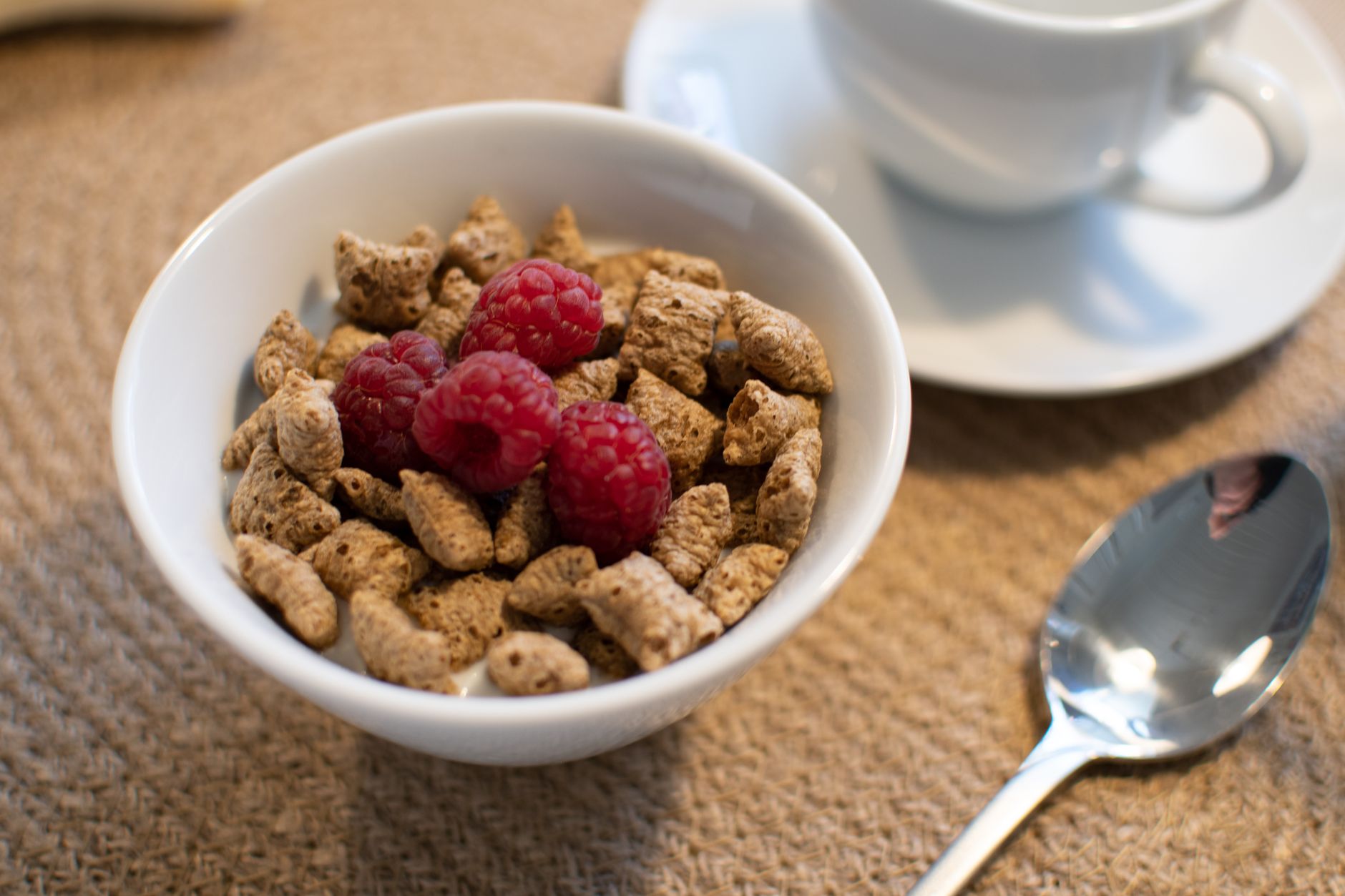
Shredded Wheat is a breakfast staple enjoyed by many for its simplicity and convenience. But is it truly a healthy choice? In this article, we will delve into the nutritional benefits, potential drawbacks, and how to incorporate Shredded Wheat into your daily diet, helping you understand whether it’s a good fit for your health goals.
We will explore the nutritional components of Shredded Wheat, recommended portion sizes, and tips for customizing it for various tastes and dietary needs. So, let’s uncover the facts about this beloved cereal.
Is Shredded Wheat Good for You?
Shredded Wheat can be a healthy breakfast option due to its high fiber content and minimal processing. It is generally low in sugar and free from artificial additives. However, its health benefits can also depend on individual dietary needs and how it is consumed, such as toppings and portion sizes.
Nutritional Breakdown of Shredded Wheat
Understanding what Shredded Wheat offers nutritionally is key to evaluating its health benefits. Here’s a comprehensive look at its primary nutritional components:
- Calories: A serving of Shredded Wheat (approximately 60g, which is about two biscuits) contains roughly 200 calories.
- Carbohydrates: It is predominantly composed of carbohydrates, providing around 40g per serving. These are mainly complex carbohydrates, which are essential for sustained energy.
- Fiber: Shredded Wheat is an excellent source of dietary fiber, with about 7g per serving. This fiber supports digestive health and can help regulate blood sugar levels.
- Protein: Each serving contains about 7g of protein, making it a reasonable choice for maintaining muscle health and promoting satiety.
- Vitamins and Minerals: It contains various essential nutrients including iron, calcium, magnesium, and vitamins B6 and B12, though it may often be lower in these compared to fortified cereals.
- Sugars: Shredded Wheat is low in sugar, typically containing less than 1g per serving. This can help in managing overall sugar intake, particularly for those monitoring blood sugar levels.
Health Benefits of Shredded Wheat
Now that we have a clearer understanding of its nutritional profile, let’s explore the potential health benefits associated with incorporating Shredded Wheat into your diet:
1. High Fiber Content
The high fiber content in Shredded Wheat promotes digestive health by supporting regular bowel movements and preventing constipation. Dietary fiber may also assist in lowering cholesterol levels and managing weight by promoting a feeling of fullness.
2. Whole Grain Goodness
Shredded Wheat is made from whole grains, which are beneficial for heart health. Whole grains are associated with a reduced risk of heart disease, type 2 diabetes, and certain cancers. Additionally, they provide sustained energy compared to refined grains.
3. Low in Sugar
With its minimal sugar content, Shredded Wheat is suitable for those looking to reduce their sugar intake. This quality makes it a preferred choice for diabetics or individuals seeking to maintain stable energy levels without sugar spikes.
4. Rich in Nutrients
The cereal contains several important vitamins and minerals including iron and magnesium, contributing to overall health and wellness. Iron is crucial for energy production and maintaining healthy blood, while magnesium supports muscle and nerve function.
Potential Drawbacks of Shredded Wheat
While Shredded Wheat has many benefits, it is important to consider some potential drawbacks:
1. May Lack Variety
You might find Shredded Wheat to be a monotonous breakfast choice if consumed exclusively. Over time, lacking variety in your diet can lead to deficiencies in certain nutrients.
2. Gluten Sensitivity
Since Shredded Wheat is made from wheat, it is not suitable for those with gluten sensitivity or celiac disease. Alternatives made from gluten-free grains should be considered for individuals with such dietary restrictions.
3. Caloric Content with Additions
While the cereal itself is low in calories, adding high-calorie toppings like sugary yogurts or excessive nuts can turn it into a less healthy option. Portion control is key to maintaining its health benefits.
Portion Sizes and Serving Suggestions
Understanding the right portion sizes for Shredded Wheat can help you enjoy its benefits without overindulging. Here are some guidelines:
Recommended Serving Size
A typical serving of Shredded Wheat is two biscuits, roughly 60g. This amount provides a good balance of nutrients and can be customized with various toppings.
Topping Ideas
Enhance the flavor and nutrition of your Shredded Wheat with the following toppings:
- Fruits: Fresh fruits like bananas, berries, or apples can add natural sweetness and additional fiber.
- Nuts and Seeds: Adding almonds, walnuts, chia seeds, or flaxseeds can boost protein and healthy fats.
- Yogurt: A dollop of Greek yogurt for added creaminess and protein.
- Milk or Plant-Based Alternatives: Using low-fat or fortified plant-based milk can provide extra nutrients and flavor.
- Spices: Cinnamon or nutmeg can add warmth without calories.
Customizing Your Shredded Wheat
Customization is key when incorporating Shredded Wheat into your diet. Here’s how to mix it up based on your dietary preferences:
For a Protein Boost
Add Greek yogurt or protein-rich nut butter like almond or peanut butter. This combination provides additional protein beneficial for muscle health and can help keep you feeling full longer.
For a Vegan Option
Top your Shredded Wheat with plant-based milk, fresh fruit, and seeds for a fully vegan breakfast. Consider plant-based yogurts made from coconut or almond if you prefer creaminess.
For a Low-Carb Choice
Serve Shredded Wheat with more protein-rich toppings like cottage cheese and berries, limiting the size of the portion to account for overall carb intake.
Meal Planning with Shredded Wheat
Incorporating Shredded Wheat into your meal planning can be effective for busy individuals. Here are some tips to consider:
1. Batch Preparation
To streamline your mornings, consider preparing individual portions in advance. Portion out servings into containers along with toppings so they are ready to go.
2. Pairing with Other Meals
Shredded Wheat can be integrated into other meals like yogurt parfaits or smoothies as a crunchy element, providing versatility beyond breakfast.
3. Nutrient Overlap
When meal planning, often pair with fruits that contain similar nutrients. For example, bananas are high in potassium, which complements the iron content of Shredded Wheat.
Common Mistakes to Avoid
Here are some mistakes to avoid when incorporating Shredded Wheat into your diet:
1. Overloading on Sugar
2. Skipping the Nutrient-Rich Toppings
Ignoring potential toppings means missing out on valuable nutrients. Always aim to add fruits, nuts, or seeds for a balanced meal.
3. Ignoring Portion Control
Keep track of portion sizes. Despite its health benefits, consuming an excessive amount can contribute to calorie overload.
Storage and Shelf Life
Storing your Shredded Wheat correctly will ensure it maintains its quality:
1. Storage
Shredded Wheat should be kept in a cool, dry place. Ensure the package is sealed tightly to avoid exposure to moisture.
2. Shelf Life
When stored properly, Shredded Wheat typically lasts for about one year. Always check the expiration date on the packaging to ensure freshness before consuming.
Conclusion
Shredded Wheat can be a nutritious part of your breakfast routine, thanks to its high fiber content, low sugar levels, and versatility. By understanding how to incorporate it effectively into your meals and being mindful of your portion sizes and toppings, you can enjoy all the benefits this cereal has to offer. Explore different ways to enjoy it, ensure it fits your dietary preferences, and use it as a base for developing nutritious and satisfying breakfasts.
For further inspiration, check out our Chia Pudding Recipe for a healthy breakfast option, or try our Protein Granola Recipe for a crunchy, nutrient-dense addition to your morning routine. Discover new ways to enrich your meals and keep your mornings exciting!