
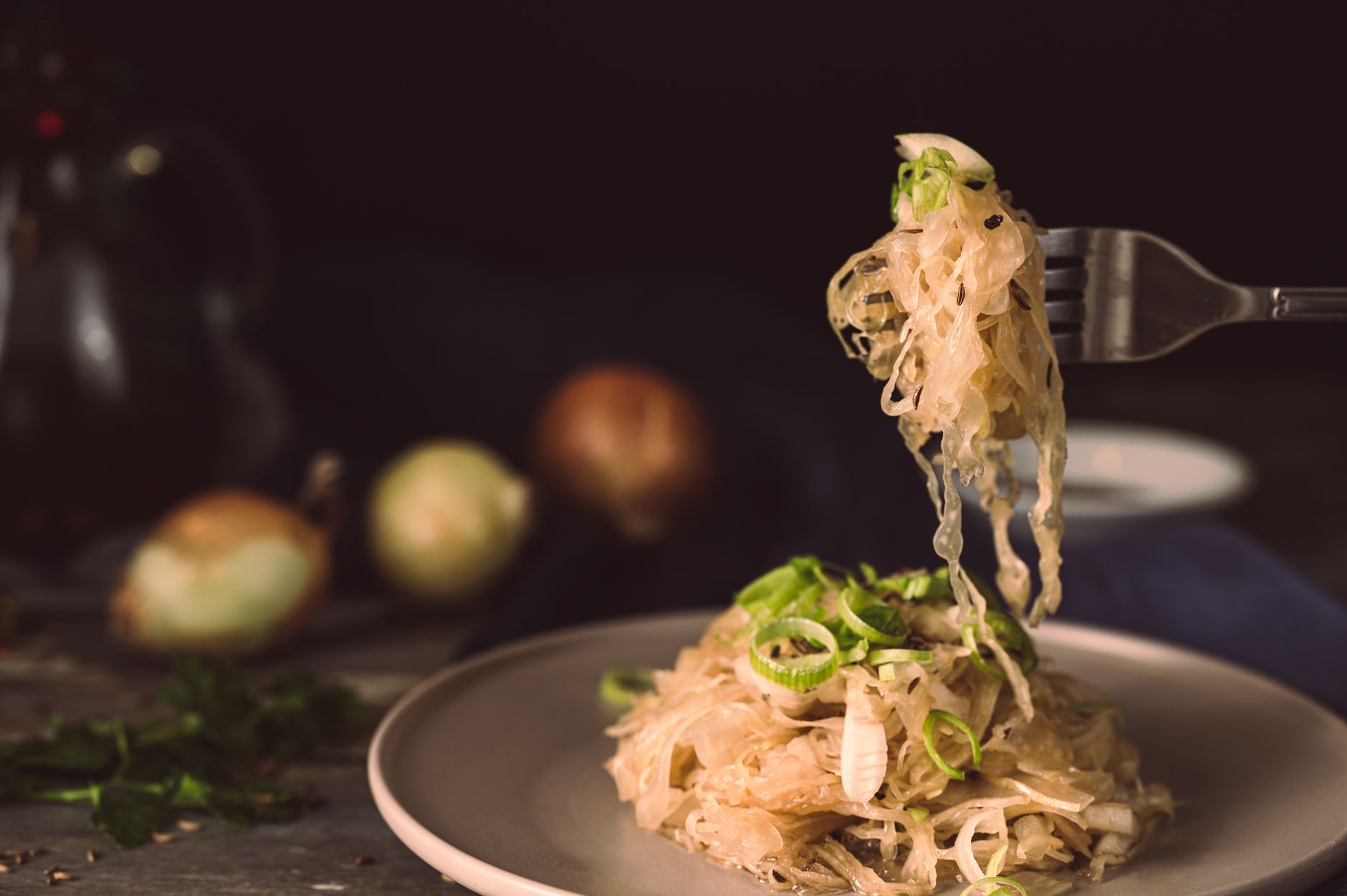
Sauerkraut, a fermented dish made from finely shredded cabbage, has gained significant attention in recent years for its potential health benefits. Rich in probiotics, vitamins, and dietary fiber, it is not only a flavorful addition to meals but may also contribute positively to digestive health. However, the question remains: is sauerkraut healthy for you?
This article will delve into the nutritional profile of sauerkraut, its potential health benefits, serving suggestions, and tips for incorporating it into your diet effectively. Understanding these factors can help you make an informed choice about adding sauerkraut to your meals.
Is Sauerkraut Healthy for You?
Yes, sauerkraut can be healthy for you, as it is rich in probiotics, vitamins, and minerals, offering various health benefits. Its fermentation process enhances nutrient absorption, making it a beneficial food for gut health, digestion, and immune function when consumed in moderation.
Understanding Sauerkraut: What Is It?
Sauerkraut is fermented cabbage, traditionally made by shredding cabbage and mixing it with salt. This mixture is then packed tightly into a container and allowed to ferment over several weeks. The result is a tangy, crunchy dish that can be enjoyed raw or cooked.
What Makes Sauerkraut Unique?
The fermentation process of sauerkraut not only preserves the cabbage but also promotes the growth of beneficial bacteria known as probiotics. These probiotics are crucial for maintaining gut health and supporting the immune system.
Nutritional Profile of Sauerkraut
Sauerkraut is low in calories but packed with essential nutrients. Here’s a breakdown of the nutritional content per one-cup serving of raw sauerkraut:
- Calories: 27
- Carbohydrates: 6 grams
- Fiber: 4 grams
- Protein: 2 grams
- Fat: 0 grams
- Vitamin C: 42% of the Daily Value (DV)
- Vitamin K: 18% of the DV
- Sodium: 661 mg
- Folate: 5% of the DV
The high vitamin C content helps support the immune system, while vitamin K is important for bone health and blood clotting. The fiber in sauerkraut aids digestion and promotes a healthy gut.
Health Benefits of Sauerkraut
Incorporating sauerkraut into your diet can provide several potential health benefits. Here are some of the noteworthy ones:
1. Supports Digestive Health
The probiotics in sauerkraut can improve gut health by promoting a balanced microbiome. This can lead to better digestion and regular bowel movements. The fiber content also aids in digestion and can help prevent constipation.
2. Boosts Immune Function
Fermented foods like sauerkraut are known for their immune-supporting properties. The probiotics help enhance the function of immune cells, helping the body fend off infections and illnesses.
3. Rich in Antioxidants
Sauerkraut contains antioxidants, which help combat oxidative stress and reduce inflammation in the body. This can lower the risk of chronic diseases, such as heart disease and diabetes.
4. May Enhance Nutrient Absorption
The fermentation process breaks down antinutrients in cabbage, making it easier for your body to absorb vitamins and minerals. This can lead to increased nutritional benefits from the food you consume alongside sauerkraut.
5. Lowers Risk of Certain Diseases
Regular consumption of fermented foods, including sauerkraut, has been linked to a lower risk of conditions such as obesity, type 2 diabetes, and heart disease. This may be attributed to the impact of probiotics and the overall nutrient profile of the food.
How to Incorporate Sauerkraut into Your Diet
Add sauerkraut to your meals in various ways to maximize its health benefits. Here are some delicious and practical ideas:
1. As a Topping
Use sauerkraut as a topping for hot dogs, burgers, or sandwiches. The tanginess pairs well with rich and savory flavors, adding a delightful crunch.
2. In Salads
Mix sauerkraut into salads for an added layer of flavor and texture. It can be particularly delicious in coleslaw or as part of a leafy green salad, providing a tangy contrast to other ingredients.
3. In Breakfast Dishes
Incorporate sauerkraut into your breakfast by adding it to scrambled eggs or omelets. It can provide a hearty flavor while enhancing the nutritional value of your morning meal.
4. As a Side Dish
Serve sauerkraut on the side with meat dishes or as a component of a charcuterie board. Its acidity can help balance rich flavors in the meal.
5. In Fermented Dishes
Get creative by using sauerkraut in various fermented recipes, like adding it to soups, stews, or casseroles. This can add depth to the flavors and introduce the benefits of fermentation to other dishes.
Portion Sizes and Moderation
While sauerkraut is healthy, portion control is essential. A serving size of sauerkraut is typically about one-fourth to one-half cup. Consuming it in moderation can prevent excess sodium intake, as store-bought versions can sometimes be high in salt.
Homemade Sauerkraut: A Simple Recipe
Making sauerkraut at home allows you to control the ingredients and fermentation time, ensuring a healthier end product. Here’s a straightforward recipe:
Yield:
About 1 quart of sauerkraut
Preparation Time:
20 minutes
Fermentation Time:
1 to 4 weeks (depending on your taste preferences)
Ingredients:
- 1 medium head of green cabbage (about 2 pounds)
- 1 tablespoon of sea salt
- Optional: additional spices like caraway seeds or juniper berries for flavor
Essential Equipment:
- A large mixing bowl
- Grater or sharp knife for slicing cabbage
- Fermentation jar or food-safe container
- Weight for pressing (like a clean glass jar filled with water)
Method:
- Remove the outer leaves of the cabbage and set aside. Cut the cabbage into quarters and remove the core.
- Slice the cabbage into thin shreds using a knife or grater. Place the shredded cabbage in a large mixing bowl.
- Sprinkle the sea salt over the cabbage and massage it with your hands for a few minutes. This will help extract moisture from the cabbage.
- If desired, mix in your chosen spices.
- Pack the salted cabbage tightly into the fermentation jar, pressing down firmly to remove air bubbles. Leave some space at the top to allow for expansion during fermentation.
- Cover the jar with the reserved cabbage leaves to prevent contamination. Place a weight on top to keep the cabbage submerged in its own brine.
- Seal the jar and leave it at room temperature, away from direct sunlight, for 1-4 weeks. Check for flavor and air bubbles periodically.
- Once it reaches your desired taste, transfer it to the fridge to slow down the fermentation process.
Common Mistakes to Avoid
When making sauerkraut, avoiding the following common mistakes can lead to better results:
- Using iodized salt: Opt for non-iodized salt like sea salt to promote proper fermentation.
- Not packing tightly: Ensuring the cabbage is tightly packed is crucial for preventing the growth of harmful bacteria.
- Skipping the fermentation process: Allow sauerkraut sufficient time to ferment; this is essential for developing flavor and probiotics.
Storage and Shelf Life
Homemade sauerkraut can be stored in an airtight container in the refrigerator for several months. The flavors will continue to develop over time. Commercially canned sauerkraut should be kept in a cool, dark place and will last for about one year when unopened. Once opened, consume it within a few weeks for optimal taste and health benefits.
Potential Downsides and Cautions
While sauerkraut has many health benefits, there are some considerations to keep in mind:
1. Sodium Content
Commercial sauerkraut can be high in sodium, which may not be suitable for individuals on low-sodium diets. Always check the label or consider making your own to control the salt levels.
2. Gas and Bloating
Fermented foods can cause gas and bloating in some people, particularly if they are not accustomed to consuming probiotics. Start with small portions if you are new to fermented foods.
3. Allergies and Sensitivities
Individuals with cabbage or other related allergies should avoid sauerkraut. Additionally, those with histamine sensitivity may experience adverse effects due to the fermentation process.
Conclusion
Sauerkraut can be a healthy addition to your diet, offering numerous health benefits, including digestive support and immune enhancement. Incorporating it into various meals is simple and can elevate your culinary experience. Remember to enjoy it in moderation and consider making your own to take advantage of fresh ingredients and minimize sodium intake.
For more information on gut health and nutrition, check out articles like does cabbage make you poop or explore what foods contain probiotics.