
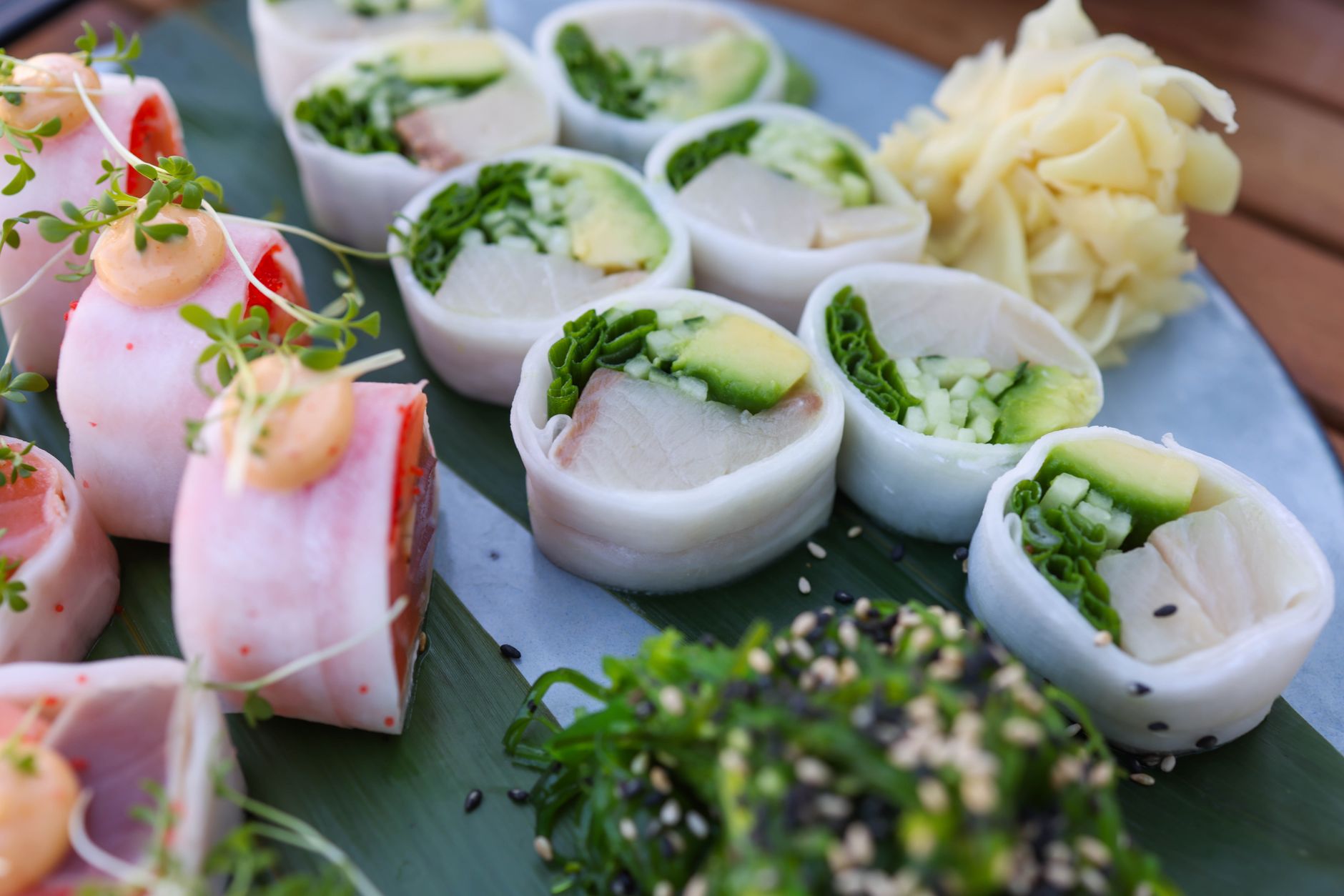
Raw fish is a delicacy enjoyed by many around the world, particularly in cuisines such as Japanese and Scandinavian. However, questions about its safety persist. Understanding the risks associated with consuming raw fish and how to minimize them is crucial for anyone considering incorporating it into their diet.
In this article, we will explore the safety of raw fish, the different types, preparation methods, and essential tips for serving. By the end, you will be well-equipped to answer the question: Is raw fish safe to eat?
Is Raw Fish Safe to Eat?
Yes, raw fish can be safe to eat if it is properly sourced, handled, and prepared. However, it’s essential to be aware of potential risks, including parasites, bacteria, and viruses. Sticking to safety guidelines can help ensure that enjoying raw fish is both delicious and safe.
Understanding Raw Fish Types
Raw fish can be found in various dishes around the globe, with sushi and sashimi being the most recognized forms. Here is a breakdown of common types of raw fish:
- Sushi: Typically consists of vinegared rice paired with raw fish options like tuna or salmon. Sushi may include other ingredients like vegetables and nori (seaweed).
- Sashimi: Thinly sliced raw fish served without rice, focusing primarily on the fish’s flavor and texture.
- Ceviche: Fish cured in citrus juice, commonly lime or lemon, which ‘cooks’ the fish due to the acidity.
- Poke: A Hawaiian dish combining diced raw fish with seasonings and toppings, often served with rice.
The Risks of Eating Raw Fish
While raw fish can be safe, it also poses various health risks. Understanding these risks is important for making informed consumption decisions. Here are some common hazards:
Parasites
One of the main concerns with raw fish is the potential presence of parasites. The most common parasite found in raw seafood is Anisakis simplex, which can cause a condition known as anisakiasis. This illness can lead to gastrointestinal discomfort, nausea, and vomiting.
Bacteria
Raw fish can harbor harmful bacteria, such as Salmonella and Vibrio species, which can cause foodborne illnesses. These bacteria can originate from the fish itself or be introduced during handling and preparation.
Viruses
Enteric viruses, such as norovirus and hepatitis A, can also be associated with raw fish. These viruses can contaminate fish through contact with contaminated water or handling by infected individuals.
How to Ensure Safe Consumption of Raw Fish
There are several strategies you can employ to minimize the risks associated with eating raw fish:
Choose Quality Sources
Purchasing fish from reputable sources is critical for safety. Look for suppliers who adhere to strict health regulations and safety standards.
- Opt for sushi-grade or sashimi-grade fish that meets specific safety and quality criteria.
- Purchase from businesses that specialize in seafood, such as dedicated fish markets or specialty restaurants.
Inspect Freshness
When purchasing raw fish, ensure it meets quality standards. Look for visible signs of freshness, such as:
- Bright, clear eyes and vibrant skin.
- Minimal fishy aroma; it should have a faint ocean scent.
- Firm flesh that springs back when pressed.
Safe Storage Practices
Proper storage is crucial for maintaining the safety of raw fish. Follow these guidelines:
- Keep raw fish at temperatures below 40°F (4°C) to inhibit bacterial growth.
- Use ice packs if transporting fish for extended periods.
- Consume raw fish within 24 hours of purchase to ensure freshness.
Handling Techniques
Take precautions during handling and preparation to avoid contamination:
- Always wash your hands thoroughly before and after handling raw fish.
- Use separate cutting boards and utensils for raw fish to prevent cross-contamination with other foods.
- Keep raw fish covered and refrigerated until ready to serve.
Preparation Methods for Raw Fish
When preparing raw fish dishes, meticulous attention to detail is essential. Here are standard methods for preparing different types of raw fish:
Sushi and Sashimi Preparation
- Select sushi or sashimi-grade fish and ensure it’s fresh.
- Use a sharp knife to slice fish against the grain for sashimi. Aim for ¼-inch thick slices for optimal texture.
- For sushi, mold vinegared rice into bite-sized portions. Top with fish slices and optional garnishes.
- Serve chilled with accompaniments like wasabi, soy sauce, and pickled ginger.
Ceviche Preparation
- Choose fresh white fish such as snapper, tilapia, or halibut.
- Dice the fish into small cubes and place it in a bowl.
- Cure the fish by adding freshly squeezed lime or lemon juice. Ensure the fish is fully submerged.
- Let it marinate for at least 15 minutes, allowing the acid to ‘cook’ the fish.
- Add chopped onions, cilantro, and diced tomatoes, then season as desired.
- Serve chilled with tortilla chips or on a bed of lettuce.
Poke Preparation
- Start with fresh, sushi-grade fish, typically tuna or salmon.
- Cut the fish into bite-sized cubes.
- In a separate bowl, mix soy sauce, sesame oil, and green onions. You may add other seasonings like ginger or chili flakes.
- Combine the fish with the sauce and mix gently.
- Serve over rice with toppings such as avocado, seaweed salad, or sesame seeds.
Common Mistakes to Avoid
Even with the best intentions, mistakes can happen in the process of serving raw fish. Here are key pitfalls to watch out for:
- Using non-sushi-grade fish: Ensure the fish is labeled as sushi or sashimi-grade to minimize health risks.
- Improper storage: Always store raw fish at the proper temperature and consume promptly.
- Inadequate marination: For ceviche, ensure the fish marinates long enough to properly ‘cook’ in the acid.
- Neglecting hygiene: Always practice proper handwashing and food safety techniques while preparing fish.
Serving Suggestions
When serving raw fish dishes, presentation and accompaniments can enhance your experience:
- Use garnishes like microgreens, sesame seeds, or edible flowers for visual appeal.
- Provide a variety of dipping sauces, such as soy sauce, ponzu, or chili oil, to suit different tastes.
- Include sides like pickled vegetables or seaweed salad for a complete meal.
Food Safety Regulations and Recommendations
Food safety guidelines and regulations regarding raw fish can vary by country. It’s essential to be aware of and follow the recommendations set forth by local health authorities. Here are general practices endorsed by organizations like the FDA:
- Fish intended for raw consumption should be frozen at -4°F (-20°C) for at least seven days to kill potential parasites.
- Regular inspections of seafood businesses should be conducted to ensure compliance with safety standards.
- Educate consumers on the risks of consuming raw fish and remind them to make informed choices.
Storage and Shelf Life of Raw Fish
Proper storage of raw fish is crucial for safety. Here are guidelines for storage:
- Store raw fish in the coldest part of the refrigerator and consume it as soon as possible, ideally within 24 hours of purchase.
- If not consumed immediately, raw fish can be frozen for long-term storage. Wrap it tightly to avoid freezer burn, and consume within three months for the best quality.
Fish Safety for Vulnerable Populations
Certain groups of people, including pregnant women, young children, elderly individuals, and those with compromised immune systems should take extra precautions when it comes to consuming raw fish. Here are some specific recommendations:
- Consult with a healthcare provider before consuming raw or undercooked seafood.
- Pregnant women should avoid raw fish entirely due to potential risks to the fetus.
- Choose fully cooked fish options when dining out or preparing meals.
By following these guidelines and making informed choices, those interested in enjoying raw fish can do so safely. Understanding the risks, adhering to safe preparation techniques, and seeking quality sources will enhance the culinary experience.
You may find that eating raw fish is a delightful experience filled with unique flavors and textures. Whether indulging in sushi, sashimi, or ceviche, proper handling and safety practices will ensure enjoyable culinary adventures.
Consider exploring additional resources on cooking fish, such as how to cook tilapia or understanding whether smoked salmon is raw, for further culinary inspiration.