
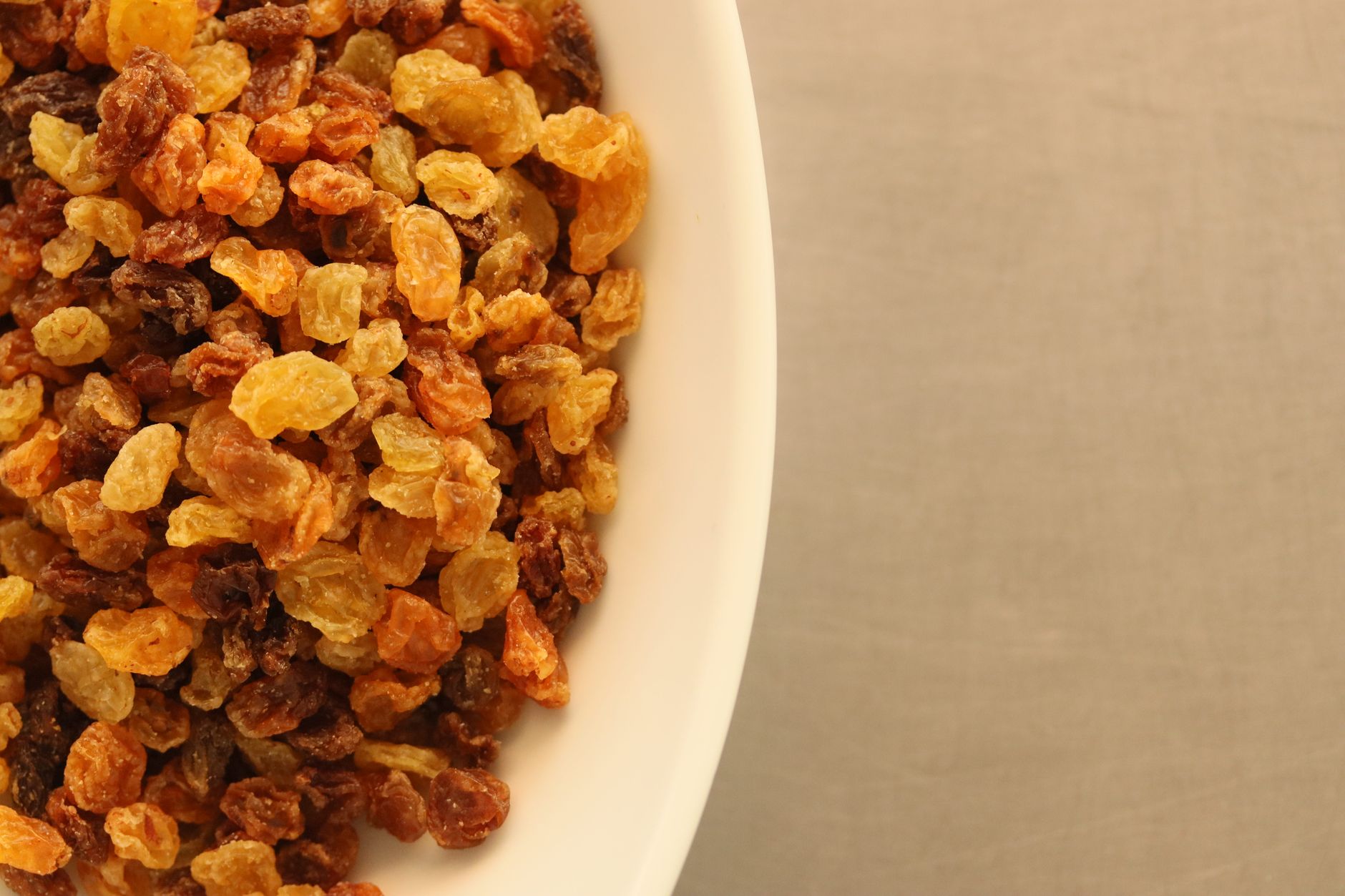
Raisins are small, sweet, and packed with nutrients, making them a popular snack choice. However, when considering weight loss, many people wonder if raisins can fit into their diets without sabotaging their goals. This article explores the role of raisins in weight loss and the dietary considerations that surround their consumption.
From understanding their benefits to comparing them with other dried fruits, we will provide insights and practical tips. Whether you’re looking for a healthy snacking option or want to incorporate them into your meals, knowing how raisins could impact weight loss is essential.
Is Raisins Good for Weight Loss?
Yes, raisins can be good for weight loss when consumed in moderation. They are nutrient-dense and can promote satiety, helping to curb cravings. However, due to their high sugar content, portion control is key to integrating them into a weight-loss strategy effectively.
Understanding the Nutritional Profile of Raisins
Raisins are essentially dried grapes, and their nutritional profile reflects the concentration of sugars and nutrients that occurs during the drying process. A typical serving size of raisins (around 1 oz or 28 grams) offers:
- Calories: Approximately 85
- Carbohydrates: 22 grams
- Fiber: 1 gram
- Sugars: 18 grams
- Protein: 1 gram
- Fat: 0.1 grams
Raisins are also rich in antioxidants and contain important vitamins and minerals like potassium, iron, and calcium, which support overall health.
Raisins in a Weight Loss Context
The Role of Fiber
Fiber plays a crucial role in feeling full and satisfied after meals. Although the fiber content in raisins isn’t extremely high, it does contribute to your daily fiber intake. Foods rich in fiber can help control appetite and promote feelings of fullness, which can assist in weight management efforts.
Natural Sugars and Energy Density
Raisins contain natural sugars, providing a quick energy boost, which can be beneficial for those engaging in physical activity. However, because they are also energy-dense—offering a significant number of calories for a small serving—it’s essential to monitor consumption.
Benefits of Incorporating Raisins into Your Diet
Including raisins in your diet can offer several benefits beyond their nutritional value. Here are some potential advantages:
- Energy Boost: The natural sugars in raisins can quickly replenish energy levels, making them an excellent pre- or post-workout snack.
- Natural Sweetener: Raisins can be used as a healthier alternative to sugar in baking and cooking, adding sweetness without refined sugars.
- Portion-Control Friendly: Since raisins are small, they can make on-the-go snacking simple and portion control easier compared to larger snacks.
- Antioxidant Properties: Raisins are high in antioxidants like polyphenols, which help combat oxidative stress in the body.
Incorporating Raisins into Your Weight Loss Plan
To effectively use raisins in a weight-loss plan, consider implementing the following strategies:
Healthy Snacking
Raisins can be a part of a balanced snack. Pairing them with a source of protein, such as nuts or yogurt, can enhance satiety. Here’s how you might do it:
- Trail Mix: Combine raisins with unsalted nuts, seeds, and a few dark chocolate chips for a balanced snack.
- Yogurt Parfait: Layer plain Greek yogurt with fresh fruits and a sprinkle of raisins for added sweetness.
- Rice Cakes: Spread nut butter on a rice cake and top it with a few raisins for a satisfying treat.
Adding to Meals
Raisins can enhance both sweet and savory dishes. Here are some ideas:
- Salads: Toss a handful of raisins into your salads to add texture and sweetness.
- Cereal or Oatmeal: Add raisins to your morning cereal or oatmeal for natural sweetness and extra nutrients.
- Stuffed Dishes: Use raisins in stuffing for chicken or in grains for a balanced dish with a burst of flavor.
Portion Control
Given their sweetness, it’s easy to overindulge in raisins. A typical recommended serving size is around 1 oz. Using pre-portioned bags can help manage intake and prevent overeating. It’s also important to track your overall caloric intake to ensure that raisins fit into your daily energy needs.
Common Concerns About Raisins and Weight Loss
High Sugar Content
Despite being natural, the sugar content in raisins can be concerning for some. The key is moderation. Choose to consume them as part of a balanced diet, and be mindful of overall sugar intake from all sources.
Caloric Density
Raisins are more calorically dense than fresh fruit due to the water being removed during drying. This makes them less filling per calorie compared to whole fruits. Pairing them with other foods can help mitigate this aspect.
Raisin Alternatives
If you’re looking for alternatives due to personal preferences or dietary restrictions, consider these options:
- Dried Cranberries: Slightly tart and sweet, they make a great addition to salads and trail mixes.
- Dried Apricots: Chewy and sweet, apricots provide similar nutrients to raisins.
- Dates: These are higher in sugar but can be used as a natural sweetener in many recipes.
Potential Adverse Effects of Raisins
While raisins can be beneficial, some potential adverse effects include:
- Allergic Reactions: Some individuals may have an allergy to sulfur dioxide used in drying raisins, leading to reactions.
- Dental Health: The stickiness of raisins can contribute to tooth decay if oral hygiene is not maintained.
- Digestive Issues: Overconsumption may lead to digestive discomfort due to their fiber content.
If you have concerns about any of these issues, it’s advisable to consult with a healthcare professional before making significant dietary changes.
Cooking and Baking with Raisins
Raisins can be a versatile ingredient in cooking and baking. Here are some popular ways to incorporate them into recipes:
Utilizing Raisins in Baking
Raisins can elevate various baked goods:
- Cookies: Incorporate raisins into oatmeal raisin cookies for a chewy texture and added sweetness.
- Breads: Raisins are a classic addition to sweet breads and rolls, providing bursts of flavor.
- Desserts: Use raisins in puddings, cakes, and pies for an enhanced taste profile.
Savory Dishes
Raisins can also work wonders in savory dishes. Try these ideas:
- Couscous or Quinoa Bowls: Add raisins to grain bowls for extra flavor and texture.
- Moroccan Dishes: Many Moroccan recipes feature raisins in stews and tagines, providing a contrast to savory spices.
- Sauces: Raisins can be blended into sauces for meat dishes, adding complexity and sweetness.
Storing Raisins Properly
Proper storage of raisins helps maintain their freshness. Here are practical tips:
- Keep Them Sealed: Store raisins in an airtight container to prevent moisture loss and keep them plump.
- Cool, Dark Place: Ideally, keep raisins in a cool, dark pantry or cupboard away from direct sunlight.
- Refrigeration: If you live in a particularly humid environment, consider refrigerating opened packages.
Using these strategies can help prolong their shelf life and ensure that they remain tasty when you’re ready to use them.
Conclusion
Raisins can be a valuable component of a weight loss plan when enjoyed in moderation, given their nutritional benefits and ability to satisfy sweet cravings. Remember to balance them with other foods, maintain portion control, and incorporate them into meals creatively.
As you explore ways to utilize raisins, consider making a healthy trail mix or a delicious carrot raisin salad. You can find the carrot raisin salad recipe here: Carrot Raisin Salad Recipe, or try your hand at a classic dessert like raisin pie: Raisin Pie Recipe. These recipes can inspire delicious meals while supporting your weight loss journey.