
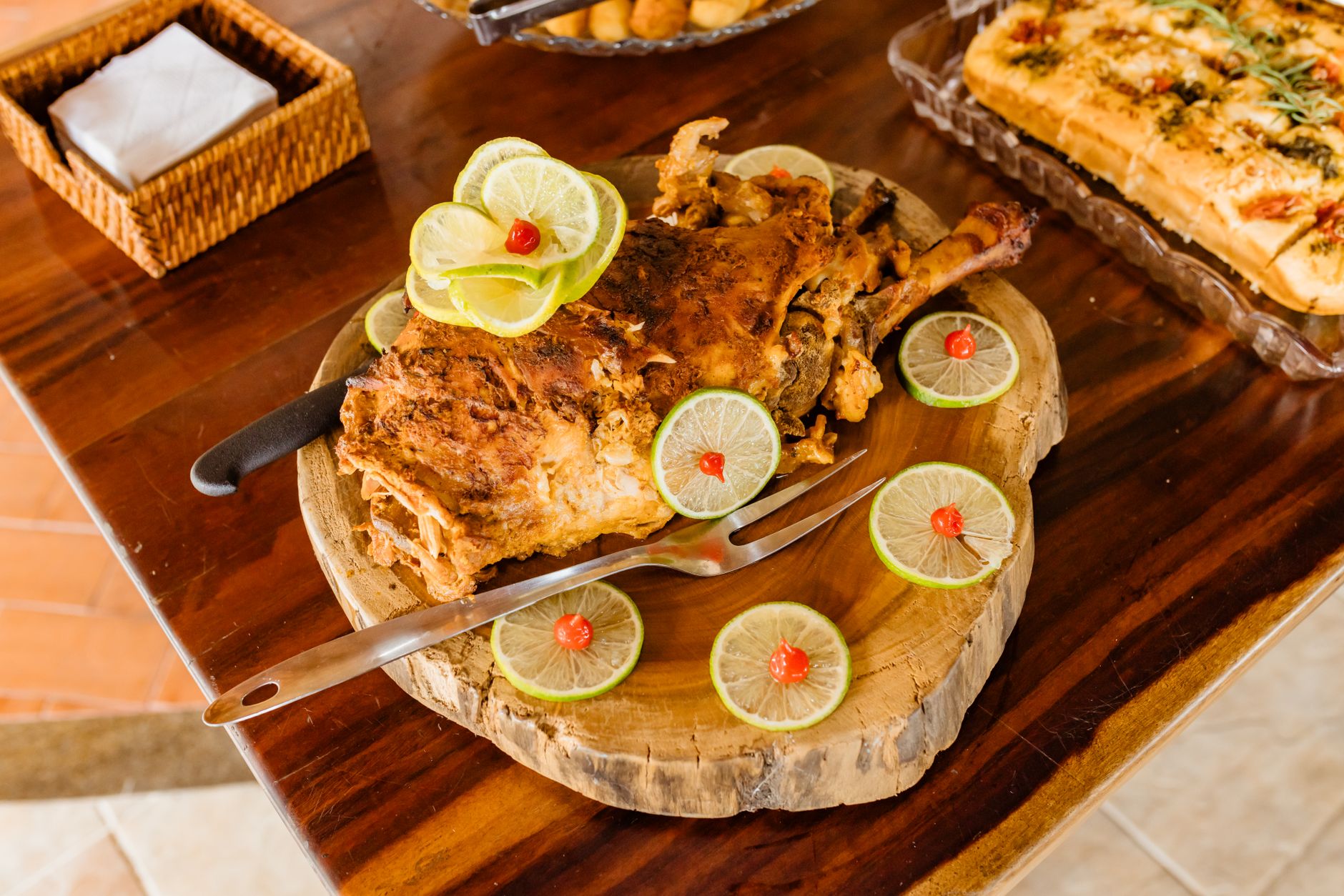
Rabbit meat has been a staple in various cuisines around the world, yet it often garners mixed opinions in contemporary dining. While it may not be as popular as chicken or beef, rabbit meat offers a unique flavor profile, lean nutritional content, and a variety of culinary applications. This article will explore the attributes of rabbit meat, its nutritional benefits, cooking techniques, and creative serving ideas.
Whether you’re considering rabbit meat for its taste, health benefits, or culinary versatility, understanding its qualities can help you appreciate this often-overlooked protein. Let’s dive deep into the question: Is rabbit meat good?
Is Rabbit Meat Good?
Yes, rabbit meat is considered good by many standards. It is lean, high in protein, and rich in essential vitamins and minerals. Flavor-wise, rabbit has a mild taste that can be enhanced with various herbs and spices, making it a versatile option in many dishes. Overall, it is a healthy alternative to more common meats.
Nutritional Profile of Rabbit Meat
Rabbit meat offers an impressive array of nutrients that contribute to a balanced diet. Here’s a breakdown of what you can expect:
| Nutrient | Amount per 100g |
|---|---|
| Calories | 173 kcal |
| Protein | 33g |
| Fat | 3.5g |
| Iron | 3.0mg |
| Zinc | 2.6mg |
| Vitamin B12 | 4.4µg |
The low-fat content of rabbit meat, combined with its high protein levels, makes it an attractive choice for those looking to maintain or lose weight while still getting adequate nutrition. Additionally, the presence of vitamins such as Vitamin B12 and minerals like iron and zinc further enhance its value.
Culinary Uses of Rabbit Meat
Rabbit meat is quite versatile in the kitchen and can be prepared using various cooking methods. Here are some popular culinary uses for rabbit:
- Roasting: Whole rabbit can be seasoned and roasted, yielding tender, juicy meat.
- Stewing: Rabbit stew is a classic dish that allows the meat to absorb flavors from vegetables, herbs, and spices.
- Grilling: Marinated rabbit pieces can be grilled for an additional smoky flavor.
- Frying: Bunny bites can be battered and fried for a crispy treat.
- Pasta Dishes: Rabbit meat can also be shredded and incorporated into pasta sauces.
These methods can cater to different tastes and dietary needs, making rabbit an excellent option for meat lovers and those looking to try something new.
How to Cook Rabbit Meat: Techniques and Tips
Cooking rabbit meat requires special considerations to ensure it’s flavorful and tender. Here are some techniques you can use:
Choosing the Right Cut
Rabbit can be bought whole or in cuts such as legs, shoulders, and back. The thighs and hind legs are meatier and more flavorful, while the front legs and back are leaner. Depending on the dish, select the appropriate cut for optimal results.
Marinating
Marinating rabbit meat helps to enhance its flavor and tenderness. A simple marinade can include:
- Olive oil
- Fresh herbs (like rosemary, thyme, or sage)
- Garlic
- Wine or vinegar (for acidity)
Let the meat marinate for at least two hours, preferably overnight, for maximum flavor infusion.
Brining
Brining rabbit meat can add moisture and prevent it from drying out during cooking. A simple brine can consist of:
- Water
- Salt (about 1/4 cup per quart of water)
- Sugar (optional, for balanced flavor)
- Aromatics (such as peppercorns, bay leaf, or lemon zest)
Brine the rabbit for four to eight hours prior to cooking for the best results.
Cooking Method Suggestions
- Roasting: Preheat the oven to 375°F (190°C). Place the marinated or brined rabbit in a roasting pan. Roast for 1-1.5 hours, basting occasionally until it reaches an internal temperature of 160°F (71°C).
- Stewing: In a heavy pot, brown seasoned rabbit pieces in some oil. Add chopped onions, carrots, and celery. Pour in stock or wine, and let it simmer on low heat for about 1.5 to 2 hours until tender.
- Grilling: Prepare a medium-hot grill. Brush rabbit pieces with oil and season. Grill for about 15 minutes, turning frequently until cooked through.
Each cooking method can yield wonderfully different tastes and textures, allowing for a wide range of culinary creativity.
Common Mistakes and Troubleshooting
When cooking rabbit meat, certain pitfalls can arise. Here are common mistakes to watch out for and tips on how to avoid them:
- Overcooking: Rabbit can dry out quickly due to its lean nature. Always use a meat thermometer to ensure it’s cooked properly without overdoing it.
- Under-seasoning: Rabbit has a mild flavor, so don’t shy away from spices and herbs. Season liberally to enhance the meat’s taste.
- Skipping marinating: Marinating or brining is crucial for enhancing tenderness and flavor. Make it part of your preparation process.
Serving Ideas for Rabbit Meat
Rabbit meat can be paired with a variety of sides and accompaniments to create delightful meals. Here are some serving suggestions:
- Pasta: Rabbit ragu can be served over pappardelle for a hearty meal.
- Vegetables: Roasted seasonal vegetables or ratatouille complement the mild flavor of rabbit beautifully.
- Grains: Serve alongside risotto or quinoa salad for a nutritious option.
- Salads: Shredded rabbit can be tossed in salads for added protein.
Don’t forget to pair your rabbit dishes with fine wines, particularly white or light-bodied reds, to enhance the overall dining experience.
Rabbit Meat in Different Cultures
Rabbit meat is appreciated in many cultures, each with unique recipes and traditions:
- French Cuisine: Rabbit is featured prominently in French cooking, often prepared as “Lapin à la moutarde” (rabbit with mustard).
- Italian Cuisine: Italians use rabbit in various recipes, including pastas and stews.
- Spanish Cuisine: In Spain, rabbit is often used in traditional dishes like “conejo al ajillo” (rabbit with garlic).
This international appreciation highlights the versatility and rich culinary potential rabbit meat holds across different cuisines.
Where to Buy Rabbit Meat
Rabbit meat can be purchased from various sources, including:
- Local Farms: Purchasing from a local farm can ensure you get fresh, quality rabbit meat.
- Specialty Grocers: Many specialty grocery stores or butcher shops may carry rabbit meat.
- Online Meats: There are various online retailers dedicated to delivering high-quality meats, including rabbit.
When selecting rabbit meat, look for cuts that are pink, firm, and free from any off-odors. Always choose sustainably sourced options when possible.
Storing and Freezing Rabbit Meat
When it comes to storage, proper handling of rabbit meat is crucial to maintain its freshness:
- Refrigeration: Fresh rabbit meat should be refrigerated and used within 1 to 2 days of purchasing.
- Freezing: If not used right away, rabbit meat can be frozen for up to six months. Wrap it tightly to prevent freezer burn.
- Thawing: Always thaw frozen rabbit meat in the refrigerator rather than at room temperature to ensure food safety.
Proper storage practices will enhance the quality and safety of your rabbit meals.
Conclusion
Rabbit meat holds its ground as a nutritious, versatile, and flavorful option. With its lean profile and unique culinary applications, it serves as an excellent alternative to more common meats like chicken or beef. By employing proper cooking techniques and seasoning, you can elevate rabbit meat into a delightful dining experience.
If you’re interested in trying your hand at cooking rabbit, consider simple dishes like a hearty rabbit stew to begin your culinary adventure. Explore related recipes, cooking tips, or food guides to expand your cooking repertoire further!
Check out this rabbit stew recipe for a delicious introduction to this wonderful meat.