
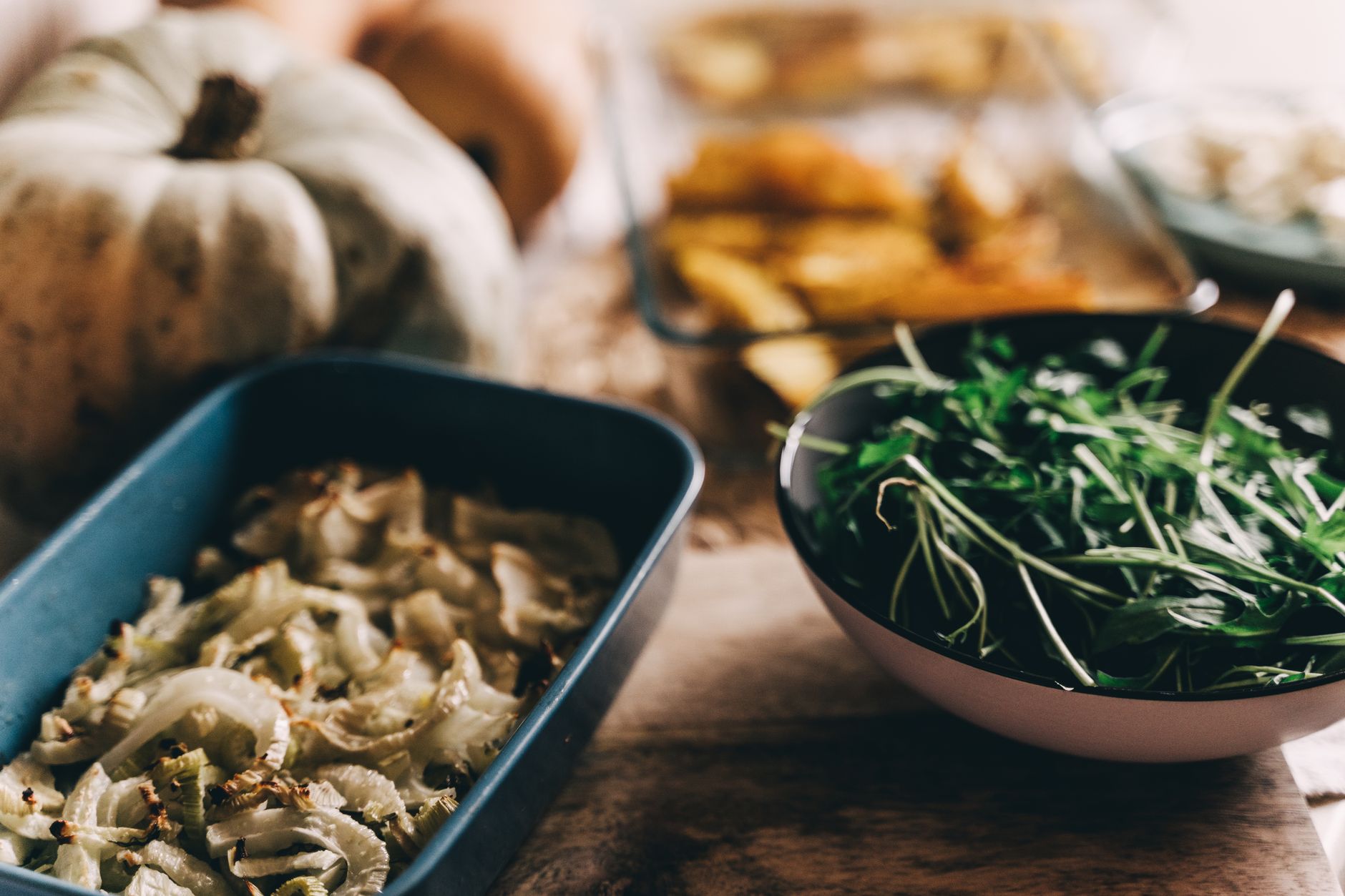
Pumpkin, often beloved for its festive role in autumn, is gaining recognition for its nutritional benefits. This vibrant orange squash is not just a key player in holiday pies and lattes but is also a powerhouse of valuable nutrients.
In this article, we’ll explore the benefits of pumpkin, its versatility in cooking, ways to incorporate it into your meals, and tips for selecting and storing it to maximize its health benefits.
Is Pumpkin Good For You?
Yes, pumpkin is very good for you. It is low in calories but high in essential nutrients, particularly vitamins A and C, fiber, and antioxidants. Incorporating pumpkin into your diet can contribute to overall health benefits, including improved immunity, better digestion, and even enhanced eye health.
Nutritional Profile of Pumpkin
Let’s break down the key nutritional components of pumpkin:
- Low in Calories: Pumpkin is low in calories, making it a great option for those looking to maintain or lose weight.
- Rich in Vitamins: Especially rich in vitamin A, which supports eye health, and vitamin C, an important antioxidant that aids in immune function.
- High in Fiber: Fiber promotes healthy digestion and can help maintain a feeling of fullness.
- Antioxidants: Contains antioxidants such as beta-carotene, which can protect cells from damage caused by free radicals.
Health Benefits of Pumpkin
Here are some of the prominent health benefits of incorporating pumpkin into your diet:
1. Boosts Immune Function
Pumpkin’s high vitamin C content plays a crucial role in strengthening the immune system, helping your body combat infections and illnesses.
2. Promotes Healthy Vision
The beta-carotene in pumpkin converts to vitamin A in the body, which is vital for maintaining healthy eyesight and preventing age-related macular degeneration.
3. Supports Digestive Health
The fiber in pumpkin aids digestion and can prevent constipation, making it beneficial for gastrointestinal health.
4. Aids in Weight Management
Low in calories yet filling, pumpkin can help you manage your weight by providing essential nutrients without high caloric intake.
5. Heart Health
Pumpkin contains potassium, which can help regulate blood pressure, and the fiber content contributes to lower cholesterol levels, both significant for heart health.
6. Skin Health
The antioxidants in pumpkin can help reduce skin damage by the sun and other environmental stressors, promoting healthier skin overall.
How to Incorporate Pumpkin into Your Diet
Pumpkin offers a host of culinary possibilities. Here are some practical ways to enjoy pumpkin beyond the typical pie:
1. Pumpkin Puree
Pumpkin puree can be used in a variety of recipes. You can make your own by roasting a pumpkin and blending it to a smooth consistency. Use it in soups, smoothies, baked goods, or sauces. Homemade puree has a fresher flavor compared to canned options.
2. Soup
Pumpkin soup is a delicious and warming dish. By blending pumpkin with onions, garlic, vegetable stock, and spices, you can create a nutritious and hearty meal.
3. Baked Goods
Add pumpkin puree to muffins, bread, or pancakes for moisture and flavor. It can replace some of the fat in these recipes while enhancing the nutritional profile.
4. Pumpkin Seeds
Don’t forget about the seeds! Roasted pumpkin seeds (also known as pepitas) are healthful snacks rich in magnesium, zinc, and healthy fats.
5. Salads
Roasted pumpkin cubes make a delicious addition to salads, providing a sweet contrast to bitter greens.
6. Pumpkin Smoothies
Blend pumpkin puree with yogurt, bananas, and spices like cinnamon for a nutritious breakfast or snack.
Choosing the Right Pumpkin
When selecting pumpkins, consider the purpose:
- For cooking: Look for smaller, sweeter varieties like Sugar Pie or Lady Godiva, which are ideal for baking and cooking.
- For decoration: Larger pumpkins like Halloween pumpkins may not have the best flavor or texture for cooking.
Make sure to select pumpkins that are firm, heavy for their size, and free from blemishes or soft spots.
Storage Tips for Fresh Pumpkin
Proper storage is crucial for maintaining the freshness and nutritional benefits of pumpkin:
- Whole Pumpkins: Store in a cool, dry place away from sunlight. They can last for several months when kept in optimal conditions.
- Cut Pumpkins: Store any cut pieces in an airtight container in the refrigerator. Use these pieces within three to four days.
- Pumpkin Puree: Store in the fridge for up to one week or freeze for longer use. Frozen puree can last for several months.
Common Mistakes When Cooking with Pumpkin
Here are some of the common pitfalls to avoid when using pumpkin:
- Using the Wrong Type: Not all pumpkins are created equal. Avoid larger decorative pumpkins for cooking purposes.
- Overcooking: When roasting or cooking pumpkin, be mindful not to overcook it, as this can lead to a mushy texture.
- Not seasoning enough: Pumpkin has a mildly sweet flavor that benefits from spices like cinnamon, nutmeg, or even savory herbs.
Pumpkin in Different Cuisines
Pumpkin is versatile and appears in various cuisines around the world. Here are some notable examples:
1. Italian Cuisine
Pumpkin is often used in pasta dishes, such as ravioli filled with pumpkin and ricotta or served in creamy sauces.
2. Latin American Cuisine
Pumpkin is used in sweets, like empanadas and pumpkin flan, showcasing its versatility in desserts.
3. Asian Cuisine
In many Asian cultures, pumpkin is added to curries or soups, providing sweetness and texture.
Recipes Featuring Pumpkin
Here are a few simple recipes to help you integrate pumpkin into your meals:
Pumpkin Soup Recipe
Yield: 4 servings
Preparation time: 10 minutes
Cooking time: 30 minutes
Total time: 40 minutes
Ingredients:
- 1 medium pumpkin (about 3-4 pounds)
- 1 tbsp olive oil
- 1 onion, chopped
- 2 garlic cloves, minced
- 4 cups vegetable or chicken broth
- 1 tsp ground cumin
- Salt and pepper to taste
Equipment:
- Sharp knife
- Large pot
- Blender or immersion blender
Method:
- Cut the pumpkin in half and remove the seeds. Peel and chop the pumpkin into cubes.
- In a large pot, heat olive oil over medium heat. Add onions and garlic, cooking until softened, about 5 minutes.
- Add pumpkin cubes to the pot along with broth, cumin, salt, and pepper. Bring to a boil.
- Reduce heat and simmer for about 20 minutes, until the pumpkin is tender.
- Using a blender, puree the soup until smooth. Adjust seasoning before serving.
Pumpkin Muffins Recipe
Yield: 12 muffins
Preparation time: 15 minutes
Cooking time: 20 minutes
Total time: 35 minutes
Ingredients:
- 1 cup pumpkin puree
- 1/3 cup vegetable oil
- 1/2 cup sugar
- 1/4 cup brown sugar
- 2 eggs
- 1 tsp vanilla extract
- 1 1/2 cups all-purpose flour
- 1 tsp baking soda
- 1 tsp baking powder
- 1 tsp cinnamon
- 1/2 tsp salt
Equipment:
- Muffin tin
- Mixing bowl
- Whisk
Method:
- Preheat your oven to 350°F (175°C). Line a muffin tin with liners.
- In a mixing bowl, combine pumpkin puree, vegetable oil, sugar, brown sugar, eggs, and vanilla extract.
- In a separate bowl, whisk together flour, baking soda, baking powder, cinnamon, and salt.
- Gradually add the dry ingredients to the wet mixture until just combined.
- Spoon batter into muffin tin and bake for 18-20 minutes, or until a toothpick comes out clean.
Conclusion
Pumpkin is not only a delicious addition to your meals but also a nutritional powerhouse that can enhance your overall well-being. With its versatility in both savory and sweet dishes, it’s an ingredient worth embracing year-round.
Consider trying out these pumpkin recipes or incorporating pumpkin into your favorite dishes to make the most of its health benefits. Explore related recipes and kitchen tips, such as freezing pumpkin pie and understanding pumpkin puree for your next cooking adventure.