
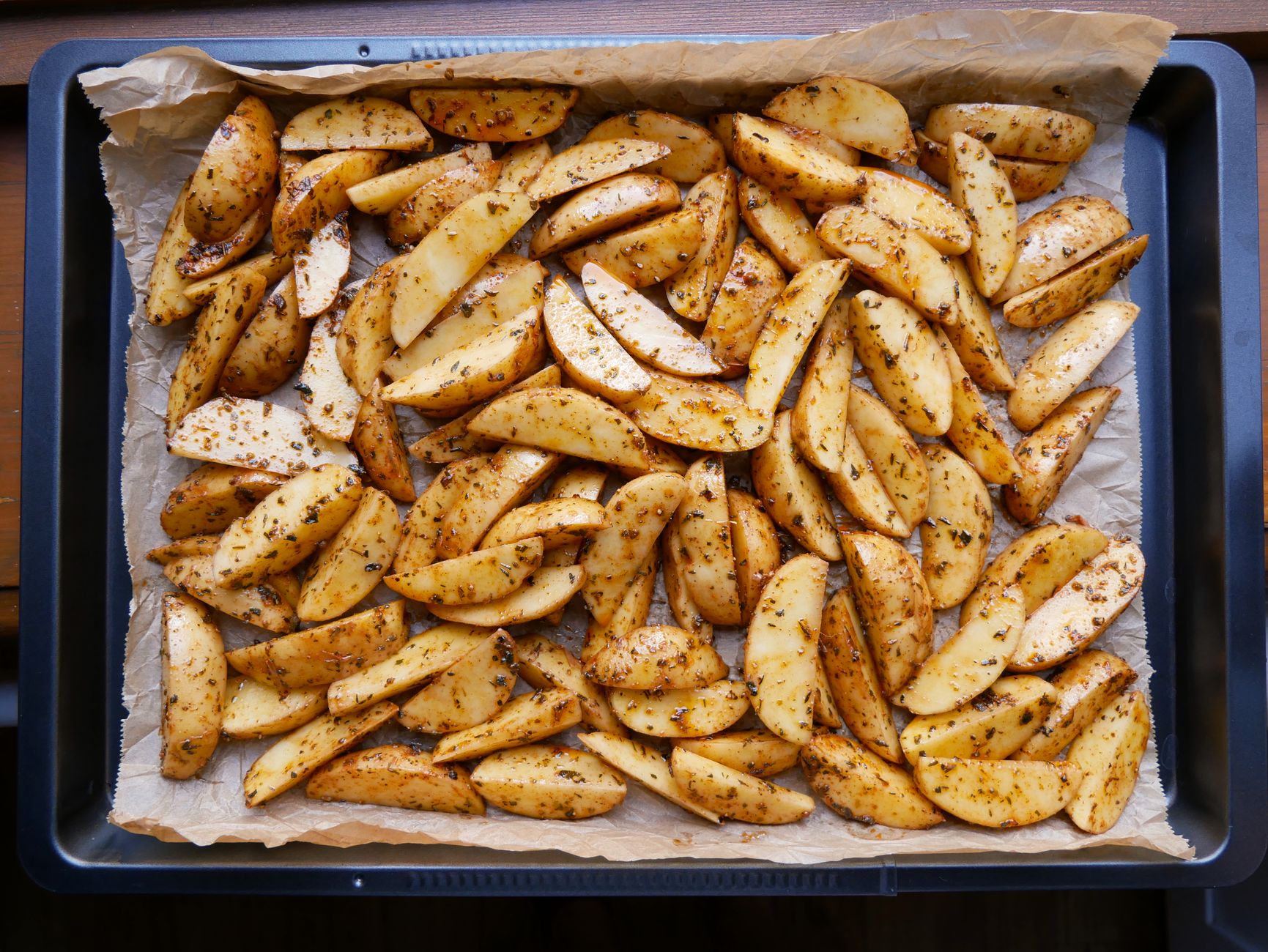
Potatoes are a staple food in many cultures, often celebrated for their versatility and satisfying nature. If you’re curious about the carbohydrate content of potatoes, you’re not alone. Understanding whether potatoes are primarily carbs can help you make informed dietary choices.
This article will delve into the nutritional profile of potatoes, specifically focusing on their carbohydrate content, serving sizes, and how they fit into a balanced diet.
Is Potato Carbs?
Yes, potatoes are primarily composed of carbohydrates. A medium-sized potato contains around 37 grams of carbohydrates, making them a significant source of carbs in your diet. However, potatoes also offer dietary fiber, vitamins, and minerals, contributing to their nutritional value.
Understanding Carbohydrates
Carbohydrates are one of the three macronutrients our bodies need to function, alongside proteins and fats. They provide the body’s primary source of energy. Carbs can be categorized mainly into three types:
- Sugars: Simple carbohydrates that provide quick energy, found in fruits, milk, and sweetened foods.
- Starches: Complex carbohydrates that take longer to digest, found in foods like bread, pasta, and potatoes.
- Dietary Fiber: A type of carbohydrate that the body cannot digest, which helps maintain digestive health.
Potatoes contain starches, which are complex carbohydrates that break down into glucose, serving as an energy source. Additionally, potatoes have some dietary fiber, which is beneficial for digestion.
Nutritional Profile of Potatoes
To better understand the carbohydrate content of potatoes, let’s look at the nutritional profile of a medium-sized, boiled potato (approximately 150 grams):
- Calories: 130
- Total Carbohydrates: 37 grams
- Dietary Fiber: 3 grams
- Sugars: 2 grams
- Protein: 3 grams
- Fat: 0 grams
- Vitamins and Minerals:
- Vitamin C: 30% of the Daily Value (DV)
- Vitamin B6: 15% of the DV
- Potassium: 15% of the DV
This profile illustrates that while potatoes are high in carbohydrates, they also contain essential vitamins and minerals, making them a nutritionally beneficial food choice.
Serving Sizes for Potatoes
Understanding appropriate serving sizes is crucial, especially if you’re monitoring your carbohydrate intake. A standard serving size of potatoes is about:
- 1 medium potato (150 grams)
- 1 cup of mashed potatoes (approximately 200 grams)
- 1 cup of diced or boiled potatoes (approximately 150 grams)
These serving sizes will help you gauge how many carbohydrates you are consuming. It’s important to measure your portion sizes, especially if you’re following a specific diet plan.
Health Benefits of Potatoes
Despite their higher carbohydrate content, potatoes are packed with health benefits:
- Rich in Nutrients: Potatoes are a good source of several vitamins and minerals, including vitamin C and potassium, which are essential for overall health.
- High in Fiber: The dietary fiber content in potatoes can support digestive health and promote satiety, making it easier to manage hunger.
- Versatile Preparation: Potatoes can be prepared in many ways, offering various flavors and textures, from baked to mashed to fried.
- Gluten-Free Option: Potatoes are naturally gluten-free, making them a suitable option for those with celiac disease or gluten sensitivity.
Incorporating potatoes into a balanced diet can contribute to overall nutritional wellness.
Cooking Techniques for Potatoes
The way you prepare potatoes can influence their nutritional value and the presence of carbohydrates. Below are some popular cooking methods:
Boiling
Boiling potatoes is a common method that preserves their nutrients. Here’s how to do it:
- Wash and peel the potatoes if desired.
- Cut them into evenly sized pieces to ensure uniform cooking.
- Place the potatoes in a pot and cover them with water.
- Bring to a boil, then reduce the heat and simmer for about 15-20 minutes until fork-tender.
- Drain and serve or mash as desired.
Baking
Baking potatoes results in a creamy, fluffy texture. The process is simple:
- Preheat your oven to 425°F (220°C).
- Wash the potatoes and prick them several times with a fork.
- Rub with olive oil and sprinkle with salt.
- Bake directly on the oven rack for 45-60 minutes, or until tender.
Mashing
Mashed potatoes are a comfort food favorite, and here’s how to achieve the perfect texture:
- Boil the potatoes as described above.
- Drain and return to the pot.
- Add butter, milk, salt, and pepper to taste.
- Mash using a potato masher or a ricer until smooth and creamy.
Common Mistakes When Cooking Potatoes
While cooking potatoes may seem straightforward, there are a few common mistakes to avoid:
- Overcooking: Boiling potatoes for too long can make them mushy and lose nutrients. Keep an eye on them!
- Skipping the Salt: Adding salt to the water enhances the flavor, so don’t skip this step.
- Peeled Before Boiling: Leaving the skin on while cooking helps retain nutrients and adds fiber.
Practical Substitutions and Variations
If you’re looking for alternatives to traditional potatoes or ways to incorporate varied flavors and textures, consider these substitutions:
- Sweet Potatoes: These are a richer source of vitamins A and C, with slightly different flavor notes.
- Cauliflower: Mashed cauliflower provides a lower-carb alternative to mashed potatoes.
- Turnips: These have a distinct flavor and a lower carbohydrate count while offering similar versatility.
Each of these options provides its own nutrients while offering unique flavors to your dishes.
How to Include Potatoes in Your Meal Planning
Here are some practical tips for including potatoes in your weekly meal planning:
- Batch Cooking: Boil or bake several potatoes at the start of the week to use as a base for various meals.
- Mix and Match: Pair potatoes with proteins and vegetables for balanced meals, like roasted chicken with baked potatoes and steamed broccoli.
- Consider Different Cooking Methods: Rotate between baking, boiling, and mashing throughout the week for variety.
Storage and Reheating of Cooked Potatoes
Proper storage and reheating can help maintain the taste and safety of your cooked potatoes:
- Store cooked potatoes in an airtight container in the refrigerator for up to three days.
- Reheat potatoes in the microwave, oven, or on the stovetop, ensuring they reach a temperature of at least 165°F (74°C) before consuming.
- If reheating mashed potatoes, add a splash of milk to maintain creaminess.
Conclusion
Potatoes are indeed primarily carbs, but they also offer a wealth of vitamins and minerals that make them a valuable addition to any meal. Whether you enjoy them baked, boiled, or mashed, potatoes can easily fit into a balanced diet if prepared thoughtfully. As a versatile ingredient, they allow for creativity in meal planning, accommodating various dietary preferences.
If you’re interested in exploring more about food ingredients, check out our guides on whether there’s gluten in potatoes or how to make mashed potatoes ahead of time.