
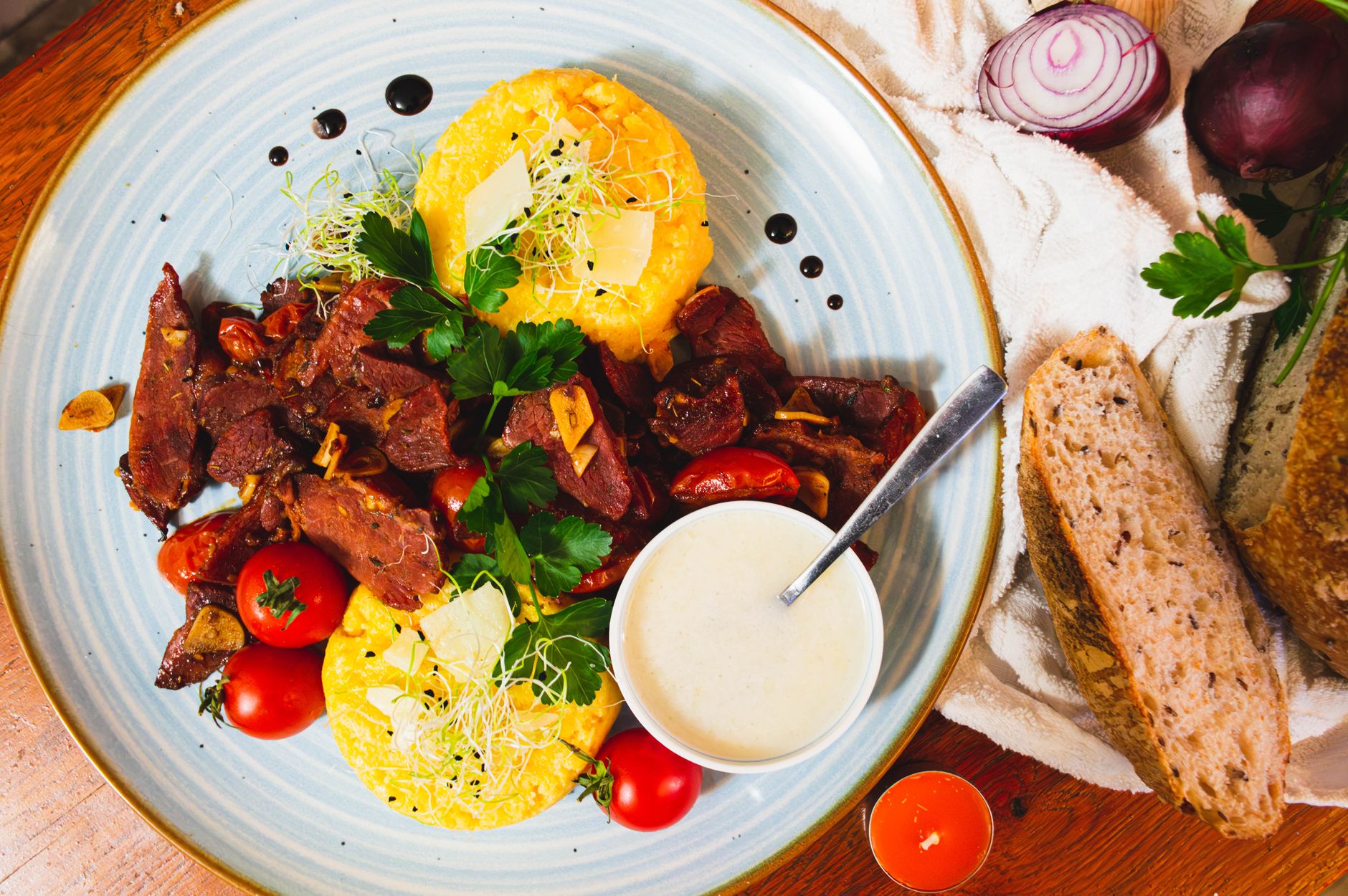
Polenta, a traditional Italian staple made from ground cornmeal, has gained popularity across the world for both its versatility and comfort-food appeal. Enjoyed in various forms—creamy, baked, or grilled—polenta can be a delightful addition to meals. But is it healthy? This article delves into the nutritional profile of polenta, its health benefits, potential drawbacks, and how to incorporate it into a balanced diet.
Understanding polenta’s health aspects requires examining its ingredients, cooking methods, and the broader context of dietary needs. By the end of this guide, you’ll be well-informed about polenta’s nutritional value and how to enjoy it as part of a wholesome diet.
Is Polenta Healthy?
Yes, polenta can be a healthy choice when consumed in moderation and integrated into a balanced diet. It’s primarily made from corn, which is naturally gluten-free and rich in carbohydrates. Polenta is low in fat and provides some essential nutrients, such as vitamins and minerals, making it a nutrient-dense option.
What Is Polenta?
Polenta is made from coarsely ground yellow cornmeal, and its history dates back to ancient times. Initially a peasant food, it has evolved into a beloved ingredient in Italian cuisine and beyond. Depending on how it’s prepared, polenta can take on various textures—from creamy and porridge-like to firm and sliceable.
There are two main types of polenta: regular cornmeal polenta and instant polenta. Regular polenta takes longer to cook—typically about 30 to 45 minutes—while instant polenta is pre-cooked and can be ready in just a few minutes.
Nutritional Profile of Polenta
The nutritional content of polenta largely depends on the type of cornmeal used and the preparation method.
Nutrients Found in Polenta
| Nutrient | Per Serving (1 cup cooked) |
|---|---|
| Calories | 70-80 |
| Carbohydrates | 15-20g |
| Protein | 2-3g |
| Fat | 0.5g |
| Fiber | 1-2g |
| Vitamin A | 10-13% DV |
| Iron | 2-3% DV |
| Magnesium | 5-7% DV |
Polenta is an excellent source of carbohydrates, providing energy, and it has a small amount of fiber, which is beneficial for digestive health. The vitamins and minerals found in corn, such as vitamin A and magnesium, also contribute to a healthy diet.
Health Benefits of Polenta
Polenta brings several health benefits to the table, thanks to its unique nutritional profile.
1. Gluten-Free Option
One of polenta’s most significant advantages is that it is naturally gluten-free, making it a suitable choice for those with celiac disease or gluten sensitivities. It is a wholesome alternative to wheat-based products, allowing people to enjoy hearty meals without the adverse reactions associated with gluten.
2. Energy Source
Polenta is rich in carbohydrates, making it an excellent source of energy. It’s particularly beneficial for athletes or those with active lifestyles, providing a sustained energy release that can support endurance during workouts.
3. Low in Fat and Calories
When prepared without excessive added fats—like butter or cheese—polenta is low in both calories and fat. This characteristic makes it an appealing option for those watching their caloric intake while still wanting to enjoy a fulfilling meal.
4. Nutrient-Rich
The corn in polenta provides essential vitamins and minerals, such as vitamin A, folate, and magnesium. Vitamin A supports eye health and immune function, while magnesium plays a role in muscle and nerve function, and energy production.
5. Versatile Ingredient
Polenta’s adaptability in the kitchen allows it to fit into various dishes—from breakfast to dinner. It can be served creamy as a base for sauces, or firm as a pizza crust, making it easier for those following varied dietary preferences to incorporate it into meals.
Potential Drawbacks of Polenta
Despite its benefits, there are some considerations to keep in mind regarding polenta’s healthfulness.
1. High in Carbohydrates
Polenta is predominantly made of carbohydrates, which may not be suitable for low-carb or ketogenic diets. For individuals reducing their carbohydrate intake, consuming polenta in moderation is advisable to maintain optimal levels of blood sugar.
2. Low in Protein
While polenta provides some protein, it is not considered a substantial source. Individuals looking to increase their protein intake need to pair polenta with complementary protein sources, such as beans, lentils, eggs, or meat, to create a balanced meal.
3. Potentially High in Sodium
Pre-made polenta or instant varieties might contain added salt or preservatives, contributing excess sodium to the diet. It’s essential to read labels and opt for low-sodium options or make polenta from scratch to control ingredient quality.
How to Prepare Polenta
Making polenta can be simple with just a few basic steps. Here’s a basic method to prepare classic creamy polenta.
Ingredients
- 1 cup cornmeal (coarse or medium ground)
- 4 cups water or broth
- 1 teaspoon salt
- 1 tablespoon olive oil or butter (optional)
- Fresh herbs or cheese (optional for garnish)
Essential Equipment
- Saucepan or pot
- Whisk or wooden spoon
- Measuring cups and spoons
- Serving spoon
Cooking Instructions
- In a medium saucepan, bring water or broth to a boil over medium heat. Add salt.
- Gradually whisk in the cornmeal to prevent lumps from forming.
- Reduce heat to low, stirring frequently with a wooden spoon or whisk to avoid sticking.
- Continue to cook for about 30-45 minutes until polenta thickens and pulls away from the sides of the pot.
- If desired, stir in olive oil or butter for creaminess. For extra flavor, mix in cheese or herbs.
- Serve immediately for a creamy texture or allow to cool and slice for grilling or baking.
Serving Suggestions
Polenta can be enjoyed in a variety of ways, providing endless opportunities for creativity:
1. As a Side Dish
Serve creamy polenta as a side dish alongside grilled meats, roasted vegetables, or rich sauces. It pairs well with hearty entrees like braised meats or rich tomato-based sauces.
2. As a Breakfast Option
Transform polenta into a breakfast dish by adding fruits, nuts, or yogurt. Sweeten it with honey or maple syrup for a warm, filling start to your day.
3. In Salads
Once cooled and set, slice polenta into shapes and grill or fry until crispy. Use these polenta pieces as a base for salads, topped with fresh greens, tomatoes, and vinaigrette.
4. As a Pizza Base
Polenta can be shaped into crusts and baked, topped with tomato sauce and your favorite pizza toppings, making a gluten-free pizza alternative.
Practical Substitutions for Polenta
If you need to avoid corn or want to try something different, here are a few possible substitutions:
- Quinoa: A gluten-free grain that’s high in protein and nutrients, it can be substituted in salads and as a side dish.
- Brown rice: This whole grain can provide a different flavor and texture while remaining gluten-free.
- Mashed potatoes: Use mashed potatoes for a creamy side dish that can substitute polenta in many recipes.
Common Mistakes and Troubleshooting
Working with polenta can come with its challenges. Here are some common mistakes and how to avoid them:
1. Lumpy Polenta
To prevent lumps, whisk continuously while adding cornmeal to boiling water. If lumps do occur, you can use an immersion blender to smooth the texture.
2. Too Thick or Too Runny
If your polenta is too thick, you can stir in additional hot water or broth to loosen it. Conversely, if it’s too runny, cook it a bit longer, allowing more moisture to evaporate.
3. Overcooked Polenta
Cooking polenta for too long can make it too stiff. Keep an eye on it and stir regularly, checking for the right consistency, which should be creamy and smooth.
Storage and Reheating Polenta
Leftover polenta can be stored in the refrigerator for up to 3 days or frozen for up to 3 months. To store, place it in an airtight container, ensuring it cools completely before sealing.
Reheating Tips
When reheating, if polenta has thickened, add a splash of water or broth to regain its creamy texture. Reheat in a saucepan over low heat, stirring frequently. Alternatively, it can be microwaved in short intervals with occasional stirring.
Final Thoughts
Polenta can be a healthy, versatile addition to meals. It offers several benefits, especially for those looking for gluten-free options or tasty carbohydrate sources. Remember to balance it with other nutrient-rich ingredients to create satisfying, wholesome meals.
For more ideas on healthy recipes, consider checking out our guide on chia pudding with coconut milk for a delicious, nutritious snack, or dive deeper into the question of whether polenta fits into a healthy diet.