
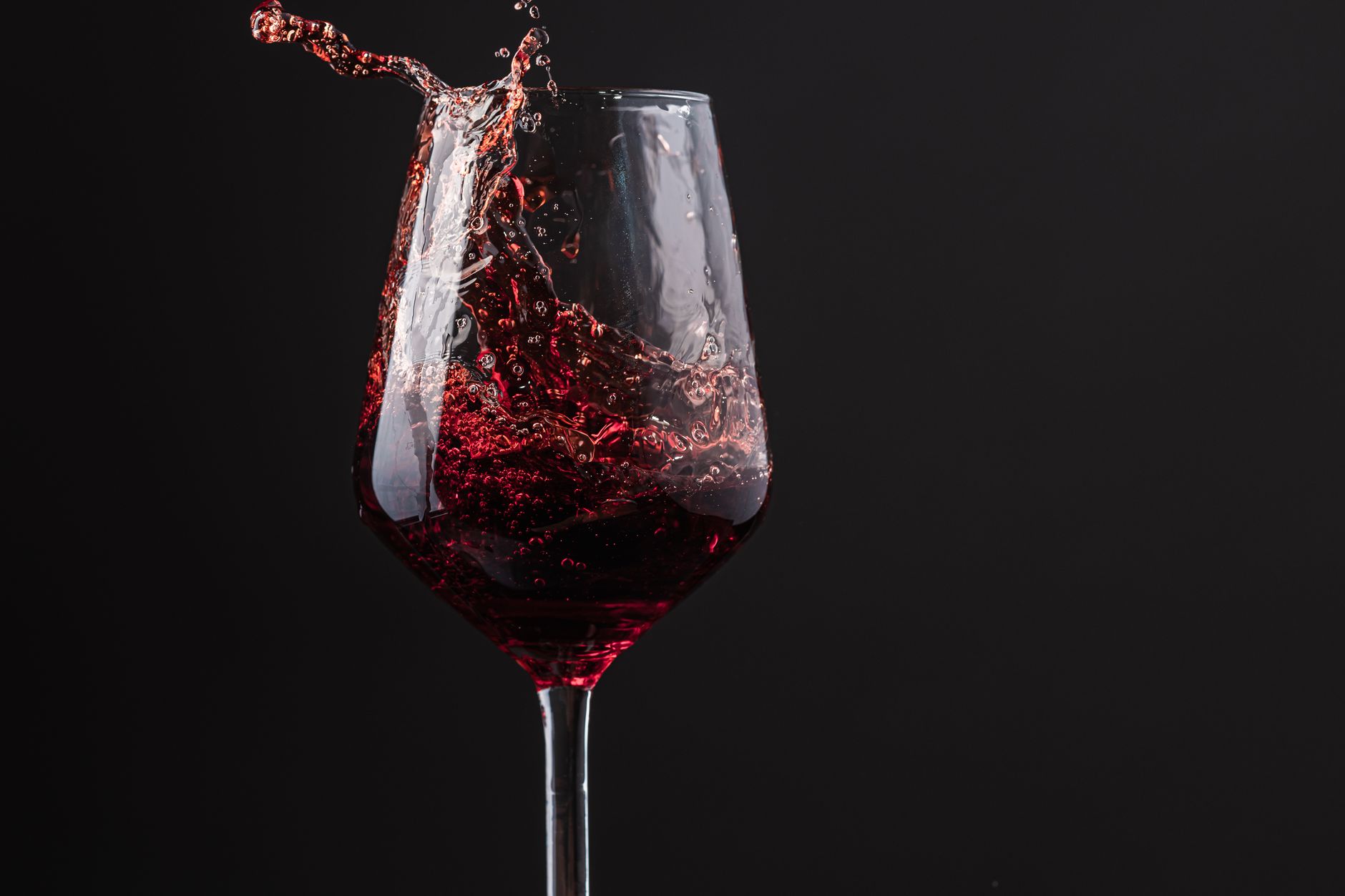
When asking, “Is Pinot Noir white or red?”, it’s crucial to understand that Pinot Noir is primarily a red wine grape variety. It is known for producing light to medium-bodied red wines that exhibit a range of flavors and aromas, including cherry, raspberry, and subtle earthy notes. However, there are also white wines made from Pinot Noir grapes, known as Pinot Noir Blanc, but these are relatively rare.
In this article, we will explore the characteristics of Pinot Noir, how it is used in winemaking, the varieties available, food pairings, and practical tips for purchasing and enjoying this versatile wine.
What is Pinot Noir?
Pinot Noir is one of the oldest grape varieties cultivated for winemaking, with origins that trace back to the Roman times. Its name is derived from the French words for “pine” and “black,” which refers to the grape’s tightly clustered, dark purple grapes that resemble a pine cone.
This grape is primarily grown in cooler climates around the world, where it flourishes and produces wines with complex flavors and delicate aromas. The thin skin of the Pinot Noir grape means that it can be quite sensitive to environmental conditions, accounting for the varying flavor profiles depending on where it is grown.
Characteristics of Pinot Noir Wines
Pinot Noir wines are celebrated for their elegance and complexity. Here are some distinctive characteristics:
- Color: Pinot Noir wines typically present a light to medium ruby red color, but their vibrancy can vary based on the wine’s age and production method.
- Aroma: Common aromatic notes include red fruits like cherry, strawberry, and raspberry, alongside earthy and floral undertones.
- Taste: These wines often have a balanced acidity with soft tannins, delivering a smooth and silky mouthfeel. Flavors may range from fruity to earthy with hints of spice and oak.
- Body: Generally, Pinot Noir wines are light to medium-bodied, making them versatile for food pairings.
Pinot Noir vs. Other Red Wines
How does Pinot Noir differ from other popular red wine varieties like Cabernet Sauvignon or Merlot? Here are a few key points:
- Body: Pinot Noir is lighter in body than Cabernet Sauvignon and Merlot, which are known for their robust flavors and higher tannin content.
- Flavor Profile: While Cabernet Sauvignon tends to exhibit bold flavors of dark fruits and bell pepper, Pinot Noir leans towards red fruit and floral notes.
- Serving Temperature: Pinot Noir is best served slightly chilled, around 55-60°F (13-16°C), whereas heavier reds are often served at a warmer temperature (65-70°F or 18-21°C).
Types of Pinot Noir Wines
While the traditional expression of Pinot Noir is red, there are several variations worth noting:
1. Pinot Noir Rosé
Made from the same Pinot Noir grapes, Rosé wines have a pink hue created by minimal skin contact during fermentation. These wines maintain the fruit-forward characteristics of Pinot Noir, offering a refreshing beverage perfect for warm weather.
2. Pinot Noir Blanc
Although rarer, some winemakers produce white wines from Pinot Noir grapes, known as Pinot Noir Blanc. This wine has a delicate taste profile, often experienced with notes of citrus fruits and floral hints. It’s typically a great option for those seeking a unique white wine experience.
3. Sparkling Pinot Noir
Pinot Noir is a key grape used in several sparkling wine styles, most notably in Champagne and other sparkling wines. When made in this style, it is often combined with Chardonnay and Pinot Meunier to create a well-balanced bubbly.
Choosing the Right Pinot Noir
Selecting the right Pinot Noir can enhance your dining experience. Keep these tips in mind:
- Region: Popular Pinot Noir regions include Burgundy (France), Oregon (USA), and Central Otago (New Zealand). Each region has distinct characteristics influenced by climate and terroir.
- Label Information: Look on the label for vintage, origin, and producer details. Aged wines may exhibit more complex flavors, while younger wines can be fruitier.
- Tasting Notes: Pay attention to tasting notes described on the bottle, which can guide you toward your preferences.
- Price Point: Pinot Noir can range in price, with premium wines available. Consider your budget, but remember that value can be found in lesser-known producers.
Food Pairings for Pinot Noir
Pinot Noir’s balanced nature makes it an excellent pairing for various dishes. Here are some food pairings that highlight its flavors:
- Poultry: Roast chicken, duck, or turkey complements Pinot Noir’s delicate fruit and acidity.
- Red Meat: Dishes like lamb or pork can enhance the wine’s fruity character.
- Seafood: Grilled salmon and other fatty fish bring out Pinot Noir’s earthy undertones without overpowering it.
- Pasta: Tomato-based sauces and mushroom risottos work well with the wine’s acidity and flavor profile.
- Cheese: Soft cheeses like Brie or Camembert create a lovely pairing with Pinot Noir.
Storing Pinot Noir
To enjoy Pinot Noir at its best, proper storage is essential. Here are some practical tips:
- Temperature: Store wine at a consistent temperature between 45-65°F (7-18°C) to prevent spoilage.
- Humidity: Ideal humidity levels for wine storage should be around 50-70% to prevent cork drying and spoilage.
- Position: Store bottles horizontally to keep the cork moist and prevent oxidation.
- Avoid Light: Protect your Pinot Noir from direct sunlight and fluorescent lighting to maintain quality.
Serving Pinot Noir
For the best tasting experience, consider these serving suggestions:
- Glassware: A large Bordeaux glass allows ample space for the wine to aerate and release its aromas.
- Temperature: Serving slightly chilled (around 55-60°F) enhances its fruity characteristics.
- Aeration: Allow the wine to breathe for about 15-30 minutes after opening; this release of aromas amplifies the tasting experience.
Common Mistakes When Enjoying Pinot Noir
To fully appreciate this remarkable wine, be mindful of these mistakes:
- Ignoring the Temperature: Serving Pinot Noir too warm can emphasize tannins and diminish its flavors; serving it too cold can mask complexity.
- Over-Pairing: Avoid pairing heavy dishes that overshadow the wine’s delicate profile.
- Neglecting to Aerate: Failing to let the wine breathe can limit flavor development. Always allow time for aeration.
Conclusion
Pinot Noir is unmistakably a red wine that manifests versatility and elegance, making it a popular choice among wine enthusiasts. Although white wines made from this grape do exist, they remain less common.
By understanding its characteristics, food pairings, and serving tips, you can enjoy Pinot Noir to its fullest. Whether you’re hosting a dinner party or enjoying a quiet evening, selecting the right Pinot Noir will undoubtedly enhance your culinary experience.
Explore more about wine pairings, cooking tips, and delicious food guides to elevate your next meal.