
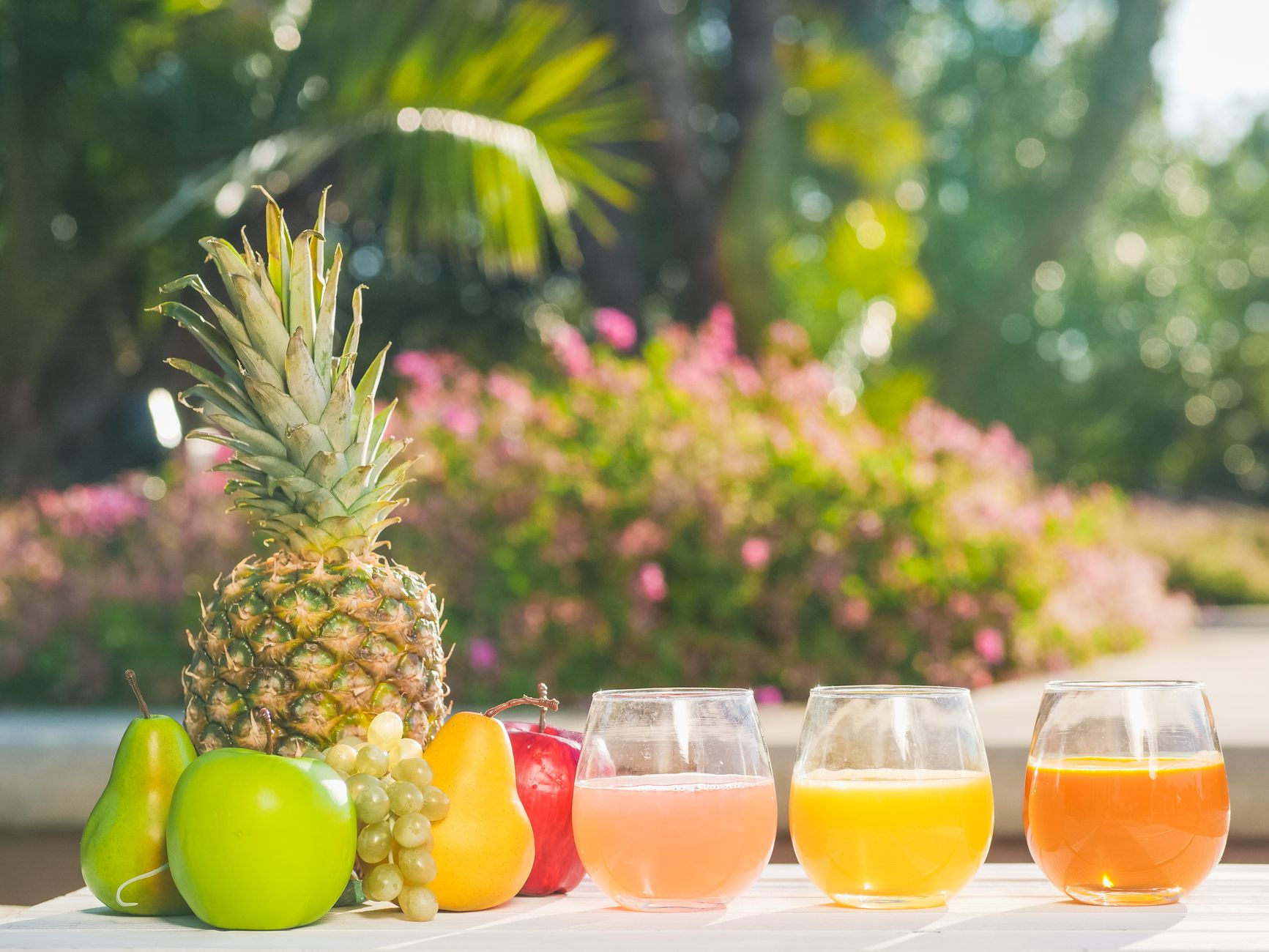
Many searching for weight loss solutions often explore various dietary options, and pineapple juice frequently emerges as a popular consideration. This vibrant, tropical drink is not only delicious but is packed with nutrients that may aid in weight management. However, understanding its role in a balanced diet is crucial to determining if it’s an effective ally in your weight loss journey.
In this article, we will examine whether pineapple juice is good for weight loss, delve into its nutritional content, explore serving sizes, and offer practical dietary tips. We will address its potential benefits, ideal portions, and how it can fit into a holistic approach to weight loss.
Is Pineapple Juice Good for Weight Loss?
Yes, pineapple juice can be beneficial for weight loss when consumed in moderation as part of a balanced diet. Rich in vitamins, minerals, and antioxidants, it offers several nutritional advantages that may support weight management. However, it’s important to consider its calorie content and natural sugars while ensuring it complements a healthy lifestyle.
Nutritional Profile of Pineapple Juice
Pineapple juice is a low-calorie beverage with significant nutritional benefits. Here are some key components:
- Calories: A typical serving (8 oz) contains approximately 130 calories.
- Carbohydrates: It has around 33g of carbohydrates, including sugars.
- Vitamins: Pineapple juice is high in vitamin C, which supports the immune system and enhances skin health.
- Minerals: It contains potassium, promoting heart health and aiding in muscle function.
- Antioxidants: Pineapple juice contains bromelain, an enzyme with anti-inflammatory properties.
The juice also contains some fiber, which can help with digestion. However, when juiced, much of the fiber is lost compared to consuming whole pineapples.
Benefits of Pineapple Juice for Weight Loss
Pineapple juice offers several potential benefits that may aid in weight loss:
1. Natural Hydration
Staying well-hydrated is essential for effective weight management. Pineapple juice contributes to hydration while offering a flavorful alternative to plain water. Proper hydration helps in maintaining metabolism and can curb hunger, leading to better control over food intake.
2. Nutrient-Rich Alternative
In contrast to sugary sodas or artificially flavored drinks, pineapple juice provides essential nutrients. By substituting pineapple juice for high-calorie beverages, you can reduce your overall calorie intake without sacrificing taste.
3. Satisfaction and Flavor
The sweetness and tartness of pineapple juice can satisfy cravings for sugary snacks. Consuming small amounts as part of a meal may help you feel more satisfied, reducing the temptation to snack on unhealthy foods.
4. Digestive Aid
Bromelain in pineapple juice may aid in digestion, particularly in breaking down proteins. Improved digestion can facilitate better nutrient absorption and contribute to overall gut health, indirectly supporting weight loss.
5. Rich in Antioxidants
Antioxidants help combat oxidative stress in the body. Pineapple juice is rich in antioxidants, which can positively impact overall health and contribute to effective weight management when combined with a healthy diet.
How to Incorporate Pineapple Juice into Your Diet
To effectively utilize pineapple juice in your weight loss journey, portion control and pairing with other wholesome foods is key. Here are some practical tips:
1. Mindful Portions
Moderation is critical. Limiting your intake to no more than 4-8 ounces per day provides you with the benefits without unnecessary calories. Consider mixing the juice with water or using it in smoothies to extend its volume without adding too many calories.
2. Combine with Breakfast
Pineapple juice pairs well with breakfast items like yogurt or oatmeal. A small amount can add flavor and nutrients while keeping calories lower than syrupy toppings.
3. Antioxidant Smoothies
Consider adding pineapple juice to smoothies with spinach, kale, or other fruits. This can increase your intake of vitamins and minerals while providing a delicious taste.
4. Marinades and Sauces
Use pineapple juice as an ingredient in marinades for chicken or fish. Its acidity can help tenderize proteins while infusing flavor without excessive calories.
5. Replace Sugary Drinks
Where possible, replace sodas or juices high in added sugars with pineapple juice. This simple swap can substantially reduce your calorie intake and improve your nutritional profile.
Potential Downsides of Pineapple Juice
While pineapple juice offers benefits, there are potential downsides to be aware of:
1. High Sugar Content
Pineapple juice is naturally high in sugars. For those monitoring sugar intake, it’s important to limit consumption and consider the overall sugar content of your diet.
2. Caloric Intake
Even natural juices can contribute extra calories. If not balanced with your overall dietary goals, it may hinder weight loss efforts.
3. Loss of Fiber
Juicing removes much of the fiber present in whole fruits. Fiber is important for feelings of fullness and digestive health. Whenever possible, consider consuming whole pineapple rather than just the juice.
4. Teeth Health
Acidic juices can erode tooth enamel over time. To protect your dental health, consider drinking pineapple juice with a straw and rinse your mouth with water afterward.
Creating a Balanced Diet for Weight Loss
While pineapple juice can play a role in a weight loss diet, it’s essential to focus on the bigger picture. Here are key components of a balanced weight loss diet:
1. Variety of Foods
Incorporating various fruits, vegetables, whole grains, lean proteins, and healthy fats ensures you get diverse nutrients important for overall health. This can help mitigate the risks posed by relying too heavily on any single food, including pineapple juice.
2. Regular Physical Activity
Exercise plays a critical role in weight loss. Combining physical activity with a healthy diet, including pineapple juice, can enhance results and improve overall health.
3. Caloric Deficit
For sustained weight loss, creating a caloric deficit while ensuring adequate nutrition is vital. Track your intake and ensure you burn more calories than you consume over time.
4. Mindful Eating
Practicing mindful eating can improve your relationship with food. Savor flavors and recognize hunger and fullness cues to help prevent overeating.
Conclusion
Pineapple juice can indeed be good for weight loss when consumed in moderation as part of a balanced diet. Its vibrant flavor and nutritional content provide benefits that can aid in weight management. However, it’s crucial to remain mindful of servings and incorporate a variety of foods into your diet. By doing so, you can create a sustainable approach to weight loss that promotes overall health and wellness.
Now that you understand pineapple juice’s role in weight loss, consider exploring other related recipes or tips for making delicious, healthy meals. Check out our Chia Pudding Recipe or learn what to eat to lose belly fat for a holistic approach to your health journey.