
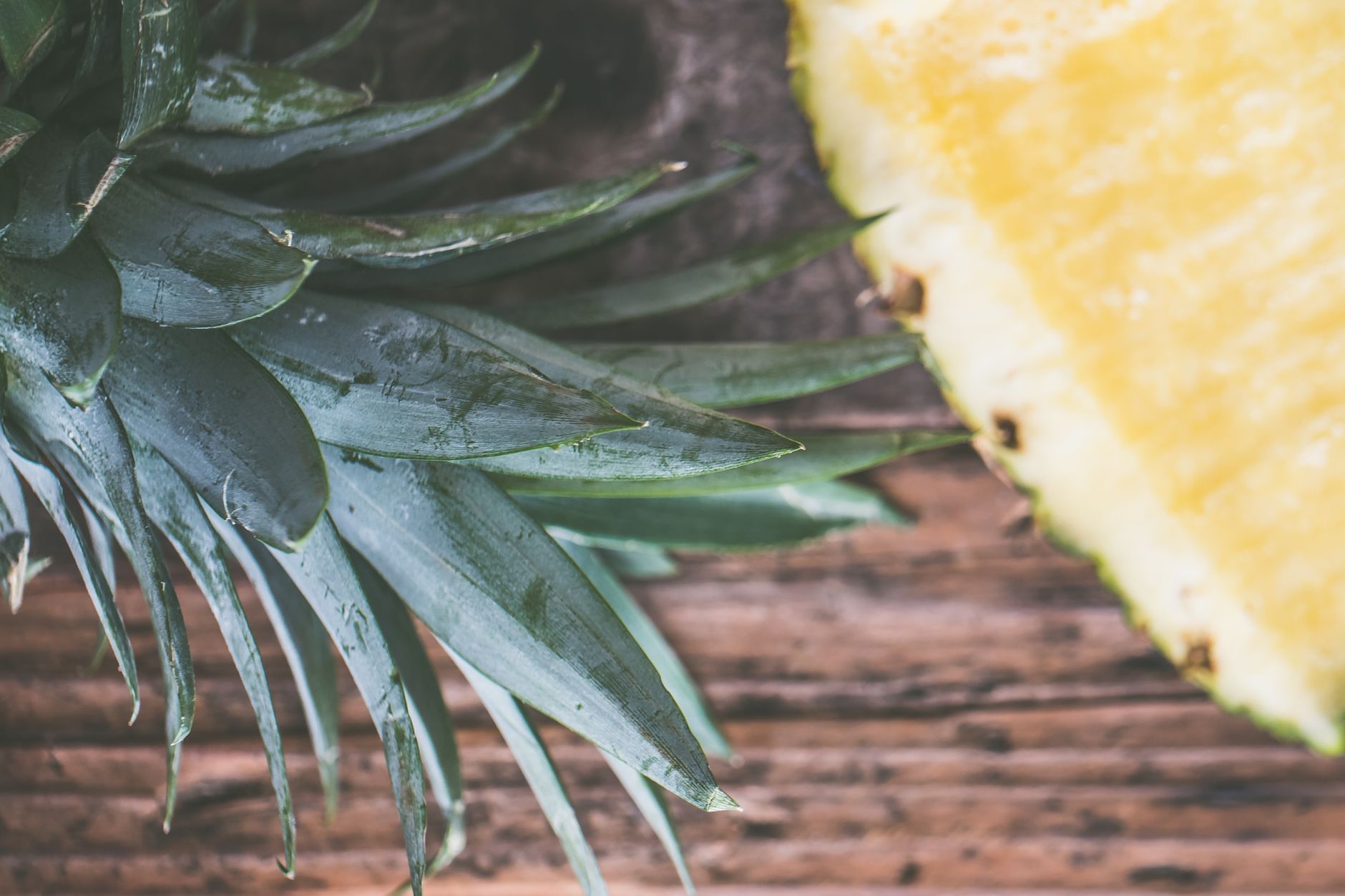
Pineapple is a tropical fruit that many people enjoy for its sweet and tangy flavors. However, if you are a dog owner, you might wonder if this juicy fruit is safe for your furry friend. Understanding how pineapple can affect dogs helps ensure their health and well-being while also allowing you to share in your love for this delicious fruit.
This article will explore whether pineapple is bad for dogs, the potential benefits and risks, how to safely introduce pineapple into your dog’s diet, and some suggested serving ideas. By the end, you’ll be more informed about sharing pineapple as a treat for your canine companion.
Is Pineapple Bad For Dogs?
No, pineapple is not bad for dogs when given in moderation. In fact, it can offer several health benefits. However, it’s essential to consider certain factors, including portion size, preparation, and individual dog sensitivities to ensure that pineapple is safe for your pet.
Health Benefits of Pineapple for Dogs
Pineapple can provide various health benefits for dogs. Here are some of the most notable advantages:
- Rich in Nutrients: Pineapple contains vitamins A, B6, C, and minerals like potassium and magnesium, which can contribute to your dog’s overall health.
- High in Fiber: The fiber content helps support digestive health by promoting regular bowel movements.
- Contains Bromelain: This enzyme may help with inflammation and support digestion, making it beneficial for dogs with digestion issues.
Potential Risks of Pineapple for Dogs
While pineapple has benefits, there are also potential risks that dog owners should be aware of:
- High Sugar Content: Pineapple is relatively high in natural sugars, which can lead to weight gain and dental issues if consumed in excess.
- Upset Stomach: Some dogs may experience digestive upset, including diarrhea or vomiting, especially if they are not used to fruits in their diet.
- Allergic Reactions: Although rare, dogs can exhibit allergies to pineapple, so it is crucial to monitor them after introducing this fruit.
How to Safely Introduce Pineapple to Your Dog
If you’re considering adding pineapple to your dog’s diet, follow these steps to ensure safety:
- Consult Your Veterinarian: Before introducing any new food, consult your vet, especially if your dog has existing health conditions.
- Choose Fresh Pineapple: Fresh pineapple is the best option. Avoid canned pineapple in syrup, as it contains added sugars and preservatives.
- Remove the Skin and Core: The skin and core of the pineapple are tough and can pose a choking hazard. Only offer the soft flesh.
- Start Small: Begin with a small piece of pineapple to see how your dog reacts. If there are no adverse effects, you can gradually increase the amount.
- Observe Reactions: After feeding pineapple, monitor your dog for any signs of digestive issues, such as diarrhea or vomiting.
Serving Ideas for Pineapple
Pineapple can be a tasty treat or a fun addition to your dog’s diet. Here are some creative ways to serve pineapple to your dog:
Fresh Treats
Simply cut fresh pineapple into small, bite-sized pieces and offer them as a treat. This can be especially refreshing during hot weather.
Pineapple Popsicles
Blend fresh pineapple with water and pour it into ice cube trays to create refreshing popsicles for your dog. These can be a great way to keep them hydrated on warm days.
Mix with Dog Food
Chop up pineapple and mix it with your dog’s regular food for a flavorful twist. Just be sure to adjust the portion size to account for the added calories.
Frozen Treats
Combine pineapple with other dog-safe fruits, like blueberries or strawberries, and freeze them into small molds for a delicious summer treat.
Common Mistakes When Feeding Pineapple to Dogs
While pineapple can be beneficial, there are some common mistakes to avoid:
- Overfeeding: Too much pineapple can lead to digestive upset due to its sugar content. Always stick to a small portion.
- Ignoring Allergies: If your dog has a known food sensitivity or allergy, be cautious when introducing pineapple.
- Feeding the Skin or Core: These parts of the pineapple can be tough and pose a choking hazard. Be sure to only feed the soft flesh.
Other Fruits That Are Safe for Dogs
If you’re looking for more fruits to share with your dog, here’s a list of safe options:
- Apples: Remove the seeds and core before giving them to your dog.
- Bananas: A great source of potassium, bananas should be given in moderation due to high sugar content.
- Blueberries: These are low in calories and high in antioxidants.
- Watermelon: Remove the seeds and rind before serving small cubes of watermelon.
Conclusion
Pineapple can be a fun and nutritious treat for dogs when given in moderation. With its vitamins, fiber, and unique enzymes, it offers potential health benefits, but it also comes with risks if fed improperly. Always consult your veterinarian before introducing new foods, and monitor your dog for any adverse reactions.
If you’re looking to explore more delicious and safe treats for your dog, consider checking out additional resources on dog-friendly fruits and other homemade snack recipes.