
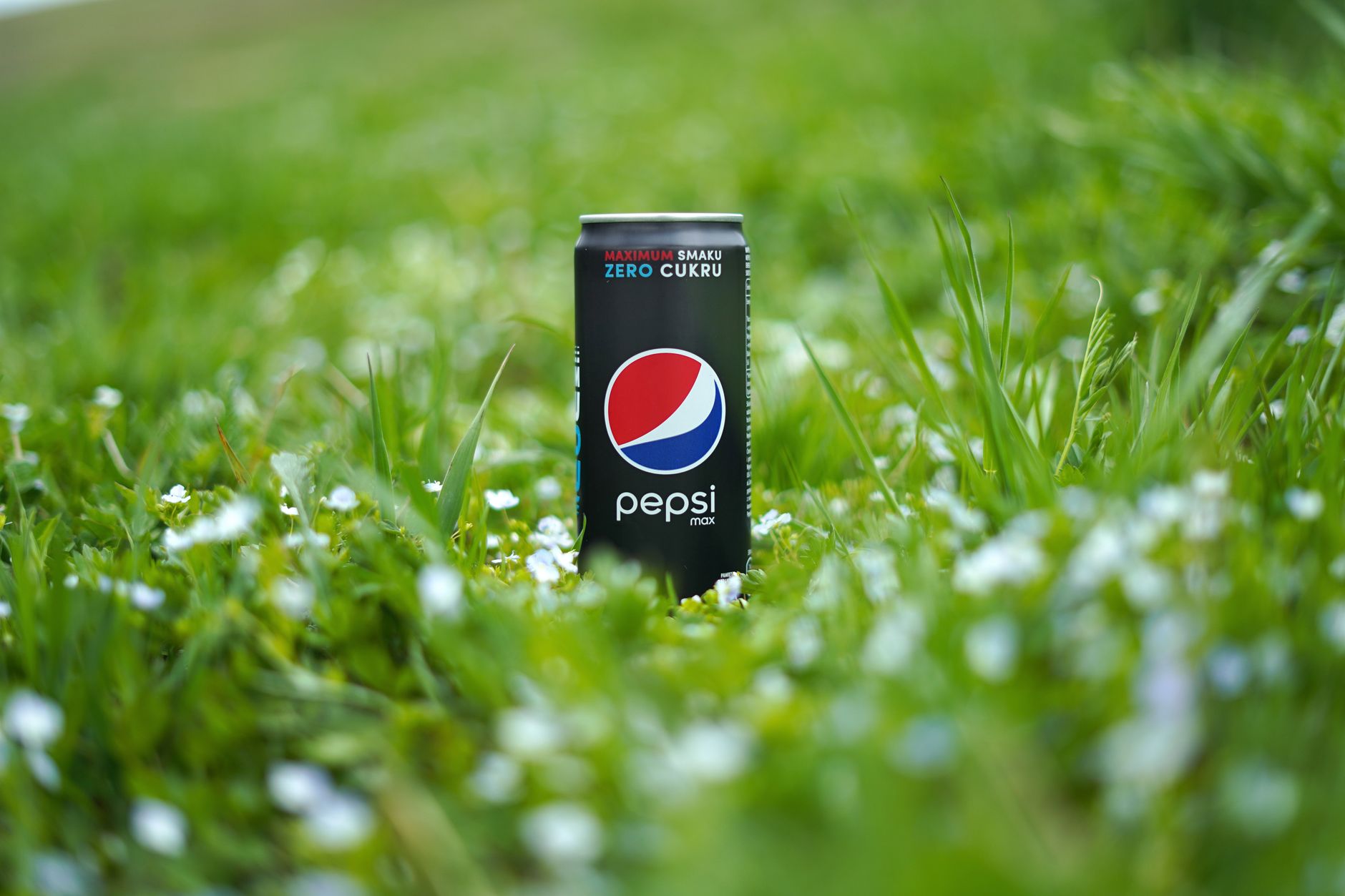
Is Pepsi Zero Bad for You? This question often arises among consumers looking to make healthier beverage choices. With the increasing popularity of zero-calorie drinks, understanding their nutritional implications is essential for your overall health.
This article will explore the nutritional profile of Pepsi Zero, its ingredients, potential health benefits, and drawbacks. We aim to provide a comprehensive look at whether this popular beverage fits into a balanced lifestyle.
Is Pepsi Zero Bad for You?
Pepsi Zero, previously known as Pepsi Zero Sugar, offers a sugar-free alternative to regular Pepsi, using artificial sweeteners. While it helps reduce calorie intake, concerns about its health effects exist. Research suggests that moderation is key when consuming artificially sweetened beverages.
Understanding the Ingredients
To evaluate whether Pepsi Zero is bad for you, it’s essential to understand its key ingredients:
- Carbonated Water: The primary ingredient in most sodas, carbonated water is safe for consumption and can even aid digestion.
- Caramel Color: This food coloring is often used in sodas but has raised some health concerns, particularly regarding potential carcinogenic properties when consumed in large amounts.
- Phosphoric Acid: Common in colas, phosphoric acid can lead to weakened bones if consumed in sizable quantities over time.
- Caffeine: A stimulant that can enhance alertness but may lead to side effects like insomnia or increased heart rate if consumed excessively.
- Artificial Sweeteners: Pepsi Zero typically contains aspartame and/or acesulfame potassium. These sweeteners provide sweetness without calories but generate debate about their long-term health impacts.
- Natural Flavors: Specific flavors are proprietary and vary by brand; generally, these are synthetic compounds representative of the intended taste.
Nutritional Profile
The nutritional profile of Pepsi Zero is generally straightforward, as it contains minimal calories, sugar, and fat.
- Calories: 0
- Sugars: 0 grams
- Fat: 0 grams
- Sodium: Approximately 40-60 milligrams per serving
- Caffeine: Around 69 milligrams per 12-ounce serving
Potential Health Benefits
Despite some concerns, there are potential benefits when consuming Pepsi Zero in moderation:
- Weight Management: The absence of sugar and calories makes it a popular choice for those watching their weight.
- Refreshing Taste: For individuals who enjoy the flavor of cola but want to avoid added sugars, Pepsi Zero provides satisfaction without compromising on taste.
- Caffeine Boost: The caffeine content can offer a temporary increase in energy and alertness, useful during periods of fatigue.
- Versatility: Pepsi Zero can be used in various recipes, from marinades to desserts, providing depth of flavor without added sugars.
Potential Health Risks
While Pepsi Zero does have some benefits, it is essential to consider the potential health risks as well:
- Artificial Sweeteners Concerns: Research on artificial sweeteners like aspartame suggests they may be linked to various health concerns, though conclusive evidence is still lacking.
- Dental Health: The presence of phosphoric acid can contribute to tooth enamel erosion, making it essential to maintain good dental hygiene.
- Bone Health: High consumption of colas, particularly those with phosphoric acid, has been associated with lower bone mineral density, raising questions about long-term bone health.
- Caffeine Sensitivity: Individuals who are sensitive to caffeine may experience side effects, including anxiety or restlessness, from regular consumption.
Moderation is Key
One of the most significant takeaways regarding Pepsi Zero is the importance of moderation. Opting for zero-calorie beverages can certainly help in reducing caloric intake. However, an over-reliance on any artificially sweetened drink can lead to potential health issues. Aim for balance by incorporating a variety of beverages, including water and other natural options, into your diet.
Alternative Beverage Options
If you are considering alternatives to Pepsi Zero, there are several other options to explore, each with unique benefits:
- Sparkling Water: Naturally flavored sparkling water provides hydration with added fizz, without the sugars or calories.
- Herbal Teas: A caffeine-free alternative that provides flavor and may include health benefits depending on the herbs used.
- Homemade Sodas: You can create your own flavored beverages using soda water and fresh fruits or herbs.
- Infused Water: Soak fruits, herbs, or cucumber in water to give it a refreshing flavor while staying hydrated.
Consumer Sentiment and Trends
As health consciousness rises, many consumers are becoming increasingly aware of what goes into the products they consume. Research shows that there is a growing demand for healthier beverages, leading brands, including Pepsi, to diversify their product lines.
Many people report feeling conflicted about artificial sweeteners due to their negative associations. This sentiment influences purchasing decisions, as health-conscious consumers often prefer naturally sweetened alternatives.
Common Questions About Pepsi Zero
Is Pepsi Zero suitable for individuals with diabetes?
Pepsi Zero is sugar-free and does not contain carbohydrates, making it a suitable option for individuals with diabetes. However, it is advisable to monitor how artificial sweeteners affect personal blood sugar levels, as responses can vary.
Can Pepsi Zero cause weight gain?
While Pepsi Zero is calorie-free, consumption of artificially sweetened beverages can alter sweet cravings and potentially lead to overeating. Studies are varied on whether these beverages directly contribute to weight gain.
Is Pepsi Zero considered healthy?
Pepsi Zero is relatively low in calories and does not contain sugar. However, its potential health risks and reliance on artificial ingredients can make it less desirable for some individuals. Moderation is key, along with a balanced diet.
Final Thoughts
Deciding whether Pepsi Zero is bad for you largely depends on individual health considerations, dietary goals, and consumption patterns. While it offers a sugar-free alternative that can satisfy a craving for cola, potential long-term health impacts remain an area of concern. Being informed and mindful of consumption will help you find the right balance for your lifestyle.
In your quest to make healthier choices, consider exploring related recipes and beverage options that align with your dietary needs. For more insights, check out what brands Pepsi owns or if Diet Dr Pepper contains caffeine. Expanding your knowledge will keep you informed as you navigate your culinary journey.