
The Mediterranean diet is renowned for its delicious flavors, abundant health benefits, and emphasis on fresh, whole foods. While it may seem that peanut butter doesn’t fit into this vibrant and varied cuisine, the question remains: Is peanut butter on the Mediterranean diet?
In this article, we will explore the role of peanut butter within the Mediterranean diet framework, its nutritional value, suitable substitutions, and how to incorporate it into your meals effectively. You may be surprised to learn just how versatile and compatible peanut butter can be in this eating pattern!
Is Peanut Butter on the Mediterranean Diet?
While peanut butter is not a traditional part of the Mediterranean diet, it can fit within the diet when consumed in moderation. The Mediterranean diet focuses on whole, unprocessed foods, lean proteins, healthy fats, and plenty of fruits and vegetables. Peanut butter, when chosen wisely, offers nutritional benefits that can complement this vibrant way of eating.
What is Peanut Butter?
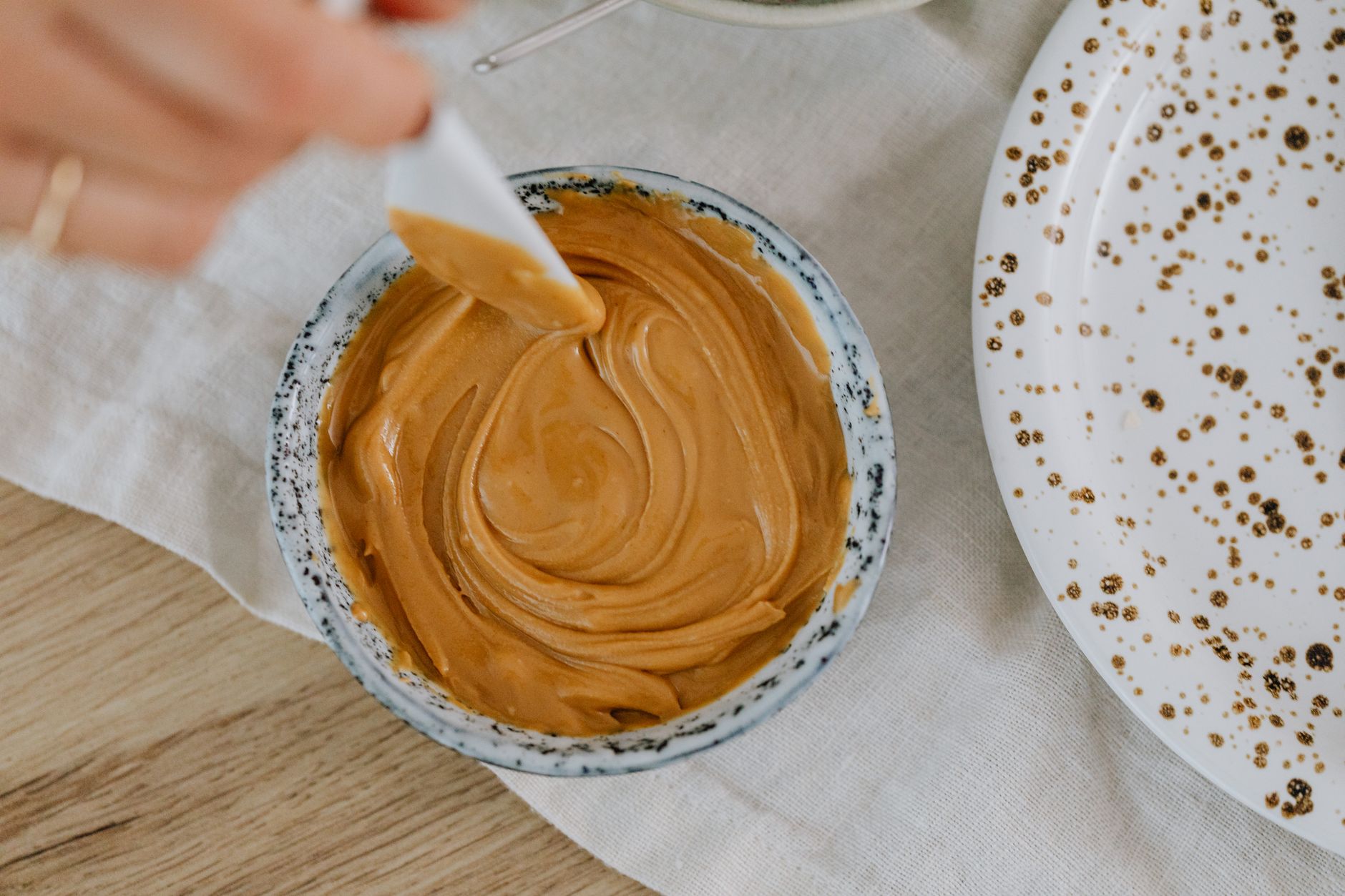
Peanut butter is made from ground, dry roasted peanuts, and often contains added salt and sweeteners. There are typically two main types available: creamy and crunchy. Peanut butter is rich in healthy fats, protein, and fiber, making it a popular choice for snacks and meals alike.
Nutritional Benefits of Peanut Butter
Peanut butter is packed with nutrients that can be advantageous for overall health. Here’s a breakdown of its primary nutritional components:
- Healthy Fats: Peanut butter contains monounsaturated and polyunsaturated fats, which are beneficial for heart health.
- Protein: A great plant-based source of protein, making it an excellent option for those on a vegetarian or vegan diet.
- Vitamins and Minerals: Peanut butter is a good source of Vitamin E, magnesium, potassium, and zinc.
- Fiber: It includes a good amount of fiber, which aids in digestion and promotes satiety.
While these nutrients offer several benefits, moderation is key, as peanut butter is calorie-dense.
Is Peanut Butter Mediterranean Diet-Friendly?
The Mediterranean diet emphasizes the consumption of whole foods such as fruits, vegetables, whole grains, legumes, nuts, seeds, fish, and olive oil. Here’s how peanut butter fits into the Mediterranean framework:
Legumes and Nuts
Nuts and legumes are essential components of the Mediterranean diet. While peanuts are technically legumes, they are often grouped with nuts due to similar nutritional profiles and culinary uses. Consequently, peanut butter can be seen as a source of plant-based fats and proteins compatible with the diet’s overall principles.
Healthy Fats
Peanut butter contains healthy fats, which are a cornerstone of the Mediterranean diet. Unlike saturated fats found in some animal products, the fats in peanut butter can be beneficial for heart health. However, it’s essential to consume it alongside other healthy fat sources like olive oil, avocados, and fatty fish.
Energy Density
Due to its energy-dense nature, peanut butter should be consumed in moderation, particularly for those monitoring their caloric intake. A small serving can provide ample flavor and nutrition, contributing to a balanced meal or snack without exceeding caloric needs.
Choosing the Right Peanut Butter
When selecting peanut butter to align with the Mediterranean diet, consider the following:
- Ingredients: Opt for natural peanut butter that lists only peanuts and possibly salt. Avoid varieties with added sugars, hydrogenated oils, or artificial flavors.
- Serving Size: Pay attention to portion sizes. A typical serving is around two tablespoons.
How to Incorporate Peanut Butter into Your Mediterranean Diet
There are numerous delicious ways to enjoy peanut butter while adhering to the Mediterranean diet principles:
1. Peanut Butter with Whole Grain Bread
Spread a small amount of natural peanut butter on whole grain bread or pita for a quick breakfast or snack. Add banana slices or strawberries for a nutritious boost.
2. Peanut Butter Smoothie
Blend peanut butter with Greek yogurt, spinach, a frozen banana, and almond milk for a creamy and protein-packed smoothie to kickstart your day.
3. Salad Dressing
Whisk together peanut butter with olive oil, vinegar, and a touch of honey for a flavorful dressing that pairs well with mixed greens and vegetables.
4. Peanut-Sesame Noodles
Incorporate peanut butter into a sauce for whole wheat noodles. Mix it with soy sauce, ginger, garlic, and sesame oil for a restaurant-quality dish.
5. Energy Bites
Combine peanut butter, oats, honey, chia seeds, and dark chocolate chips to create energy bites. Roll them into small balls for a convenient snack.
Practical Substitutions
While peanut butter is versatile, other nut and seed butters can be substituted if desired:
- Almond Butter: Similar in taste and texture but with a slightly different nutritional profile.
- Cashew Butter: A creamier alternative that has a mild flavor.
- Sunflower Seed Butter: A nut-free option that is great for those with allergies, offering a slightly sweet taste.
Keep in mind that these substitutes may alter the flavor and texture of your dishes, so consider your preferences when making a swap.
Common Mistakes to Avoid
To make the most out of incorporating peanut butter into your Mediterranean diet, be mindful of these common mistakes:
- Excessive Portions: Be cautious with serving sizes, as it’s easy to overindulge in peanut butter due to its rich taste and mouthfeel.
- Choosing the Wrong Products: Avoid highly processed peanut butter with added sugars and oils that detract from nutritional benefits.
- Neglecting Variety: While peanut butter is nutritious, ensure you’re still diversifying your fat sources by including olives, fish, and other nut varieties.
Storage and Shelf Life of Peanut Butter
To maintain the quality and freshness of peanut butter, adhere to the following storage tips:
- Sealed Container: Keep peanut butter in its original container or transfer it to an airtight jar after opening.
- Store in a Cool, Dry Place: A pantry or cupboard is ideal. Avoid exposure to heat and direct sunlight.
- Refrigeration: While optional, refrigerating natural peanut butter extends its shelf life and helps maintain freshness.
Understanding Nutritional Moderation
When incorporating peanut butter into your Mediterranean diet, it is essential to consider moderation and balance. The diet emphasizes whole foods, so integrating peanut butter should not overshadow other important ingredients. Strive for a variety of sources for protein and healthy fats.
Conclusion
In summary, peanut butter may not be a traditional component of the Mediterranean diet, but when consumed mindfully, it can be a delicious and nutritious addition. Its healthy fats, protein content, and versatility allow it to fit into this diverse eating pattern well. Enjoy it in moderation alongside other staple Mediterranean ingredients to create balanced meals. Now that you understand how peanut butter can work within the Mediterranean framework, explore ways to make this creamy delight part of your meal planning.
For those interested in adding delightful recipes featuring peanut butter, check out this delicious peanut butter granola recipe or enjoy a sweet treat with this peanut butter fudge recipe. Explore various ways to enjoy the richness of peanut butter while keeping aligned with healthy eating practices.