
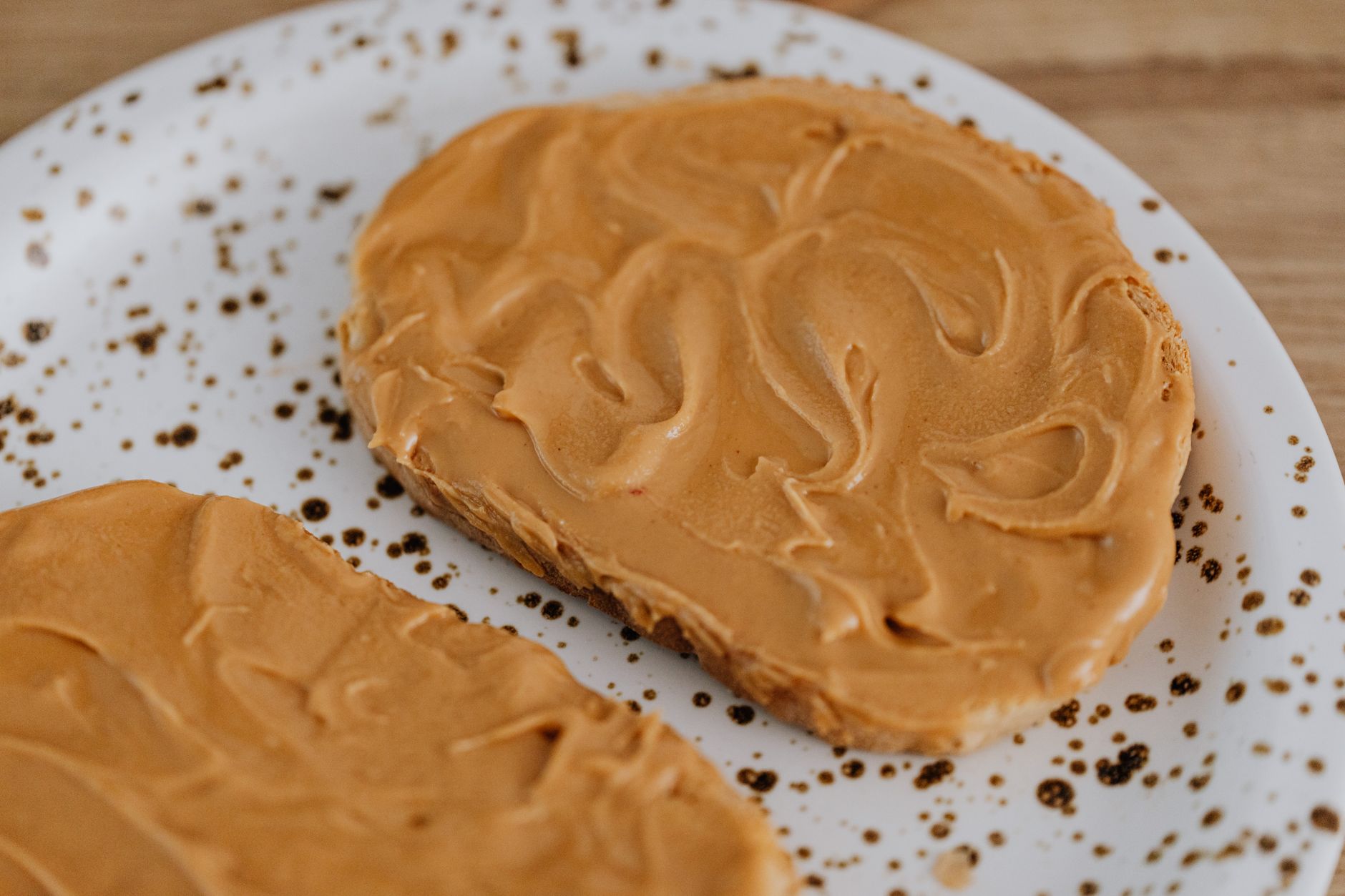
Peanut butter and honey are two popular ingredients often paired together, bringing not only a delicious flavor but also a range of potential health benefits. Whether it’s spread on toast, swirled into oatmeal, or enjoyed as a dip, the combination is hard to resist.
This article explores whether peanut butter and honey are good for you and examines their nutritional profiles, benefits, and practical uses. We’ll break down what makes each ingredient special and how they function together in various contexts.
Is Peanut Butter and Honey Good for You?
Peanut butter and honey can be part of a healthy diet when consumed in moderation. Peanut butter is rich in protein, healthy fats, and nutrients, while honey offers natural sweetness and antioxidants. Together, they create a balanced option that can fuel your day.
The Nutritional Profile of Peanut Butter
Peanut butter is made from ground peanuts and is a versatile ingredient containing several essential nutrients. Here’s what you need to know about its nutritional profile:
- Protein: Peanut butter is an excellent source of protein, providing about 7-8 grams per two-tablespoon serving. This protein content is valuable for muscle maintenance and growth.
- Healthy Fats: Most of the fat in peanut butter is monounsaturated, which is known for promoting heart health.
- Fiber: A serving of peanut butter includes around 2-3 grams of dietary fiber, beneficial for digestive health.
- Vitamins and Minerals: Peanut butter contains vitamins such as E, B3 (niacin), and B6, as well as minerals like magnesium, phosphorus, and potassium.
The Nutritional Profile of Honey
Honey, a natural sweetener produced by bees, is also packed with useful compounds. Here’s a closer look at its nutritional characteristics:
- Natural Sugars: Honey is primarily composed of fructose and glucose, providing quick energy.
- Antioxidants: Honey is high in antioxidants, including flavonoids and phenolic acids, which can help combat oxidative stress.
- Antimicrobial Properties: Certain types of honey, particularly manuka honey, have natural antimicrobial effects that can help with wound healing.
Health Benefits of Peanut Butter and Honey
The combination of peanut butter and honey provides several health benefits. Here’s how they can contribute positively to your diet:
Energy Boost
The natural sugars in honey combined with protein and healthy fats from peanut butter make this mixture an excellent source of energy. It can be particularly beneficial for athletes or those engaging in physical activity.
Heart Health
Both peanut butter and honey have properties that can support heart health. The healthy fats in peanut butter can help lower bad cholesterol levels, while honey’s antioxidant content may help reduce blood pressure.
Weight Management
When consumed in moderation, peanut butter and honey can aid in weight management due to their satiating properties. The protein and fiber in peanut butter can help keep you feeling full, reducing overall calorie intake.
Improved Digestive Health
The fiber in peanut butter promotes healthy digestion, while honey can have soothing effects on the digestive tract. This combination can be beneficial for maintaining gut health.
How to Incorporate Peanut Butter and Honey into Your Diet
Integrating peanut butter and honey into your meals doesn’t have to be complicated. Here are some practical ways to enjoy this duo:
- Spread on Toast: A simple yet delicious way to enjoy peanut butter and honey. Spread a layer of peanut butter on whole-grain toast and drizzle honey on top for a quick breakfast or snack.
- In Smoothies: Add a tablespoon of peanut butter and honey to your smoothies for added flavor and nutrition. This makes for a creamy, satisfying drink.
- As a Dip: Use peanut butter and honey as a dip for apple slices, banana, or celery sticks. It’s a great way to satisfy your sweet tooth while enjoying fruits and veggies.
- In Oatmeal: Stir in peanut butter and honey into your morning oatmeal for a wholesome, filling breakfast.
- Protein Bars: Make homemade protein bars with oats, peanut butter, honey, and your choice of mix-ins like nuts and dried fruit.
Practical Tips for Using Peanut Butter and Honey
Here are some essential tips to maximize your enjoyment of peanut butter and honey:
- Choose Natural Varieties: Opt for natural peanut butter that contains only peanuts and maybe a pinch of salt. Avoid brands with added sugars, hydrogenated oils, or unnecessary additives.
- Store Properly: Keep peanut butter in a cool, dark place. If you make your own or choose a variety that lacks preservatives, it’s best stored in the refrigerator.
- Mind Your Portions: While both ingredients provide health benefits, they are calorie-dense. Be mindful of portions to avoid consuming too many calories.
- Watch for Allergies: Peanuts are a common allergen. If you or someone in your household has a peanut allergy, consider using almond butter or sunflower seed butter as alternatives.
Common Myths about Peanut Butter and Honey
There are several myths surrounding peanut butter and honey that merit addressing:
Myth 1: Peanut Butter Is Unhealthy
Despite being high in calories, peanut butter can be healthy due to its good fats, protein, and fiber content. Moderation is key!
Myth 2: Honey Is Just Sugar
While honey is indeed a sugar, it offers more than just sweetness. Honey provides antioxidants and has potential health benefits which white sugar lacks.
Myth 3: You Should Avoid All Fats
Fats are essential for a balanced diet. Healthy fats, like those found in peanut butter, can support brain health and help absorb fat-soluble vitamins.
Peanut Butter and Honey Alternatives
If you’re looking for alternatives or substitutes to peanut butter and honey, here are some options to consider:
Substitutes for Peanut Butter
- Almond Butter: Similar in flavor and texture, almond butter provides a slightly sweeter taste and is a great option for those with peanut allergies.
- Sunflower Seed Butter: A nut-free option that is rich in vitamin E and a good alternative for those with nut allergies.
- Cashew Butter: Creamy and rich, cashew butter provides a different flavor profile and can be used as a spread or cooking ingredient.
Substitutes for Honey
- Maple Syrup: A natural sweetener with a distinct flavor, maple syrup can be used in equal measure to honey.
- Agave Nectar: Sweeter than honey, agave syrup is an option for those seeking a vegan sweetener.
- Brown Rice Syrup: Less sweet but a thick consistency makes this a possible alternative for baking.
Storage and Shelf Life
Proper storage is essential for maintaining the freshness and flavor of peanut butter and honey:
Peanut Butter
Unopened jars of store-bought peanut butter can last up to a year in a cool, dark place. Once opened, it’s best used within 3-6 months for optimal freshness. Natural varieties should be refrigerated after opening.
Honey
Honey is unique in that it does not spoil and can last indefinitely when stored properly. Store it in a cool, dark place in a tightly sealed container. Crystallization can occur but does not indicate spoilage; gently warm the jar in warm water to return it to liquid form.
Conclusion
Peanut butter and honey can be a delicious and nutritious pairing, providing a range of health benefits when consumed in moderation. They can be enjoyed in various ways, from simple spreads to key ingredients in meals and snacks. Utilize their natural flavors and healthful properties in your diet and consider practical tips for storage and alternative uses.
For more delicious ideas, check out our recipes for Honey Sesame Chicken and Peanut Butter Granola. Explore more cooking tips and discover ways to brighten your meals with these versatile ingredients.