
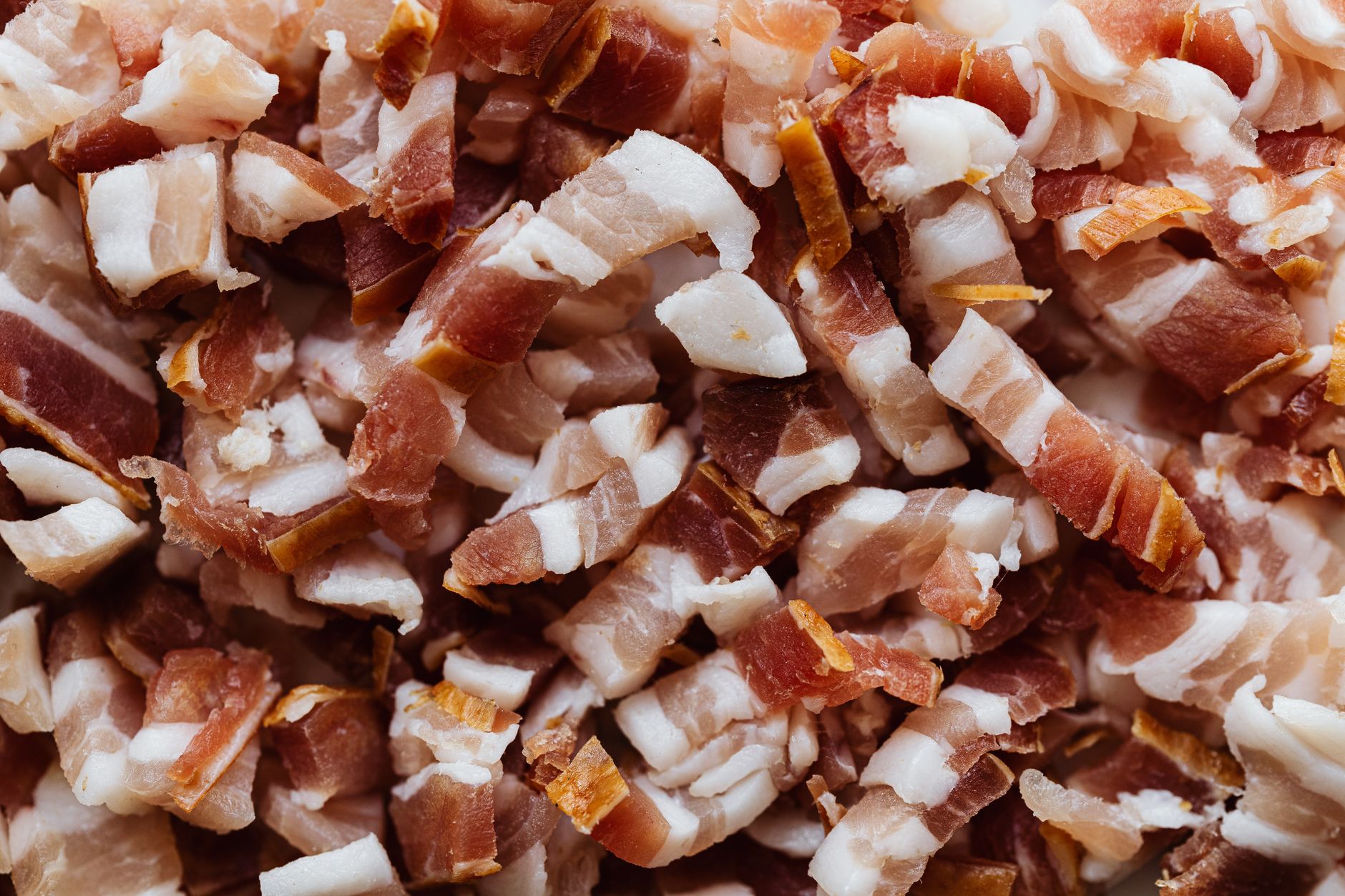
Pancetta is a type of Italian cured meat that is made from pork, specifically the pig’s belly. It is often compared to bacon, as they share similar textures and flavors, but pancetta is usually seasoned with a variety of spices and herbs before being cured. This article will delve into what pancetta is, how it’s made, and explore its culinary uses.
As a beloved ingredient in Italian cuisine, understanding the nuances of pancetta can enhance your cooking, whether it’s adding depth to pasta sauces or serving it on a charcuterie board. Here’s everything you need to know about pancetta, its uses, and how to incorporate it into your meals.
What is Pancetta Pork?
Pancetta is indeed pork—it is a traditional Italian cured meat made from the belly of the pig. The fatty, rich characteristics of pork belly lend pancetta its unique texture and flavor. Unlike bacon, which is typically smoked, pancetta is unsmoked and is often seasoned with spices such as black pepper, nutmeg, and sometimes wine, giving it a different but equally delicious profile.
The curing process involves salt, herbs, and spices, allowing the flavors to develop while preserving the meat. Pancetta can be found in two primary forms: “arrotolata” (rolled) and “stesa” (flat). The rolled version is often used in recipes where a delicate slice is preferred, while the flat version is commonly diced and used for adding flavor to dishes.
How Pancetta is Made
The production of pancetta involves several key steps:
- Selection of Meat: High-quality pork belly is essential for good pancetta. The meat should have a balance of fat and lean for the ideal flavor.
- Salting: The pork belly is heavily salted, typically with kosher salt, which helps in the curing process by drawing out moisture.
- Seasoning: After salting, the belly is seasoned with a blend of spices such as black pepper, garlic, thyme, or even juniper berries. This step adds additional flavor to the meat.
- Curing: The seasoned meat is then wrapped in cloth and placed in a cool, humid environment to cure for about 3 weeks. During this time, it develops its signature taste.
- Drying: Finally, the pancetta is hung to dry for a few days. The result is a firm and flavorful cured meat ready for various culinary uses.
Culinary Uses of Pancetta
Pancetta’s versatility makes it a favorite in numerous dishes. Here are some popular ways to use pancetta in your cooking:
1. Pasta Dishes
One of the most common uses for pancetta is in pasta dishes. Its fat renders down, providing a rich flavor base for sauces.
- Try adding diced pancetta to carbonara, providing a salty, umami kick.
- Combine with peas and cream for a quick, indulgent pasta sauce.
2. Salads
Adding crispy pancetta to salads can enhance flavor and texture. It pairs well with ingredients like arugula, goat cheese, and toasted nuts.
- Consider a warm spinach salad topped with crispy pancetta, walnuts, and a balsamic vinaigrette.
3. Soups and Stews
Pancetta can serve as a flavor booster in soups and stews. Its richness adds depth that complements other ingredients.
- Use pancetta in bean soups or minestrone to infuse the broth with a savory taste.
4. Charcuterie Boards
For an indulgent snack, you can include sliced pancetta on charcuterie boards alongside cheeses, olives, and breads. Its unique flavor profile will impress guests.
5. Wrapped Around Vegetables or Meats
Pancetta can be used to wrap vegetables or meats, enhancing the dish’s rich flavors while keeping them moist during cooking.
- Wrap asparagus or green beans in pancetta and roast for a delightful side dish.
- For an impressive main, wrap chicken breasts in pancetta before baking.
Cooking with Pancetta: Techniques and Tips
When cooking with pancetta, there are certain techniques and tips to keep in mind:
Cooking Techniques
Pancetta can be used in various cooking methods, including:
- Sautéing: Cook pancetta over medium heat in a skillet until crispy. This can take about 5-7 minutes. Use the rendered fat to cook other ingredients.
- Baking: Pancetta can be added to dishes like frittatas or casseroles before baking, where it will crisp up and add flavor.
Tips for Using Pancetta
- Storage: Keep pancetta in the refrigerator wrapped tightly. For longer storage, consider freezing it. It can last for several months in the freezer.
- Buying Tips: Look for pancetta that is uniform in color with a good mix of meat and fat. Specialty stores or Italian delis often have higher quality options.
- Serving Suggestions: Serve sliced pancetta raw as part of an antipasto platter, or cook it to render the fat and use in other dishes.
Substitutes for Pancetta
If you’re unable to find pancetta or need a substitute, there are several options to consider:
- Bacon: The closest alternative, bacon offers a similar flavor and texture although it is usually smoked, which might alter the dish’s flavor profile.
- Prosciutto: This is a dry-cured ham and can be a great alternative when used uncooked in salads or on charcuterie boards.
- Turkey Bacon: For a lower-fat option, turkey bacon can be used, but it’s generally less flavorful.
- Soy Curls or Tempeh: For a vegetarian or vegan option, these can add a similar texture, but seasoning may be required to replicate the pancetta flavor.
Common Mistakes When Cooking with Pancetta
Cooking with pancetta can be straightforward, but it’s best to avoid these common pitfalls:
- Cooking at Too High a Temperature: Pancetta can burn quickly due to its fat content. Always cook on medium heat.
- Overcooking: While pancetta is delicious when crispy, overcooked pancetta can become too hard and lose its rich flavor.
- Not Using the Rendered Fat: The fat released during cooking adds immense flavor. Make sure to incorporate it into your dishes instead of discarding it.
Storing and Preserving Pancetta
Proper storage is essential to maintaining the flavor and integrity of pancetta. Here are some guidelines:
Refrigerating Pancetta
Once opened, it is crucial to wrap pancetta tightly in plastic wrap or store it in an airtight container to minimize exposure to air. Properly stored, it can last up to two weeks in the refrigerator.
Freezing Pancetta
If you have leftover pancetta, you can freeze it. Cut it into slices or cubes and store it in a freezer-safe bag. When frozen, it can last for several months. Thaw in the refrigerator when ready to use.
Health Considerations
While pancetta is flavorful, it’s important to consider health factors, such as its high sodium and fat content. Enjoy it in moderation within a well-balanced diet. Additionally, always ensure you cook pancetta properly to avoid any foodborne illness.
Pancetta Around the World
Pancetta is a key ingredient in various Italian dishes, celebrated for its bold flavors. While it is primarily consumed in Italy, its popularity has spread worldwide, making it a common feature in international cuisines. Its versatility allows chefs and home cooks alike to incorporate pancetta into a myriad of recipes, from salads to pasta.
Other countries have produced similar cured meats, often with their unique spins. For example, Spain has “panceta,” which is similar but may have different seasonings, and in France, you might encounter “lardo,” which is also a cured pork belly. Pancetta is a testament to the shared appreciation of cured meats across cultures.
Conclusion
Pancetta, as a type of pork belly, is an incredibly versatile ingredient that can enhance a wide range of dishes. Its rich, savory profile makes it perfect for pasta, salads, soups, or simply enjoyed on its own. Utilizing pancetta can add depth and flavor to your meals, making it a worthwhile addition to your culinary repertoire.
For your next cooking adventure, consider how pancetta could elevate your dishes, and if you’re looking for more pork recipes, try this delicious pork chop marinade recipe or these flavorful pork cutlets. Explore the various ways to enjoy pork while discovering new flavors!