
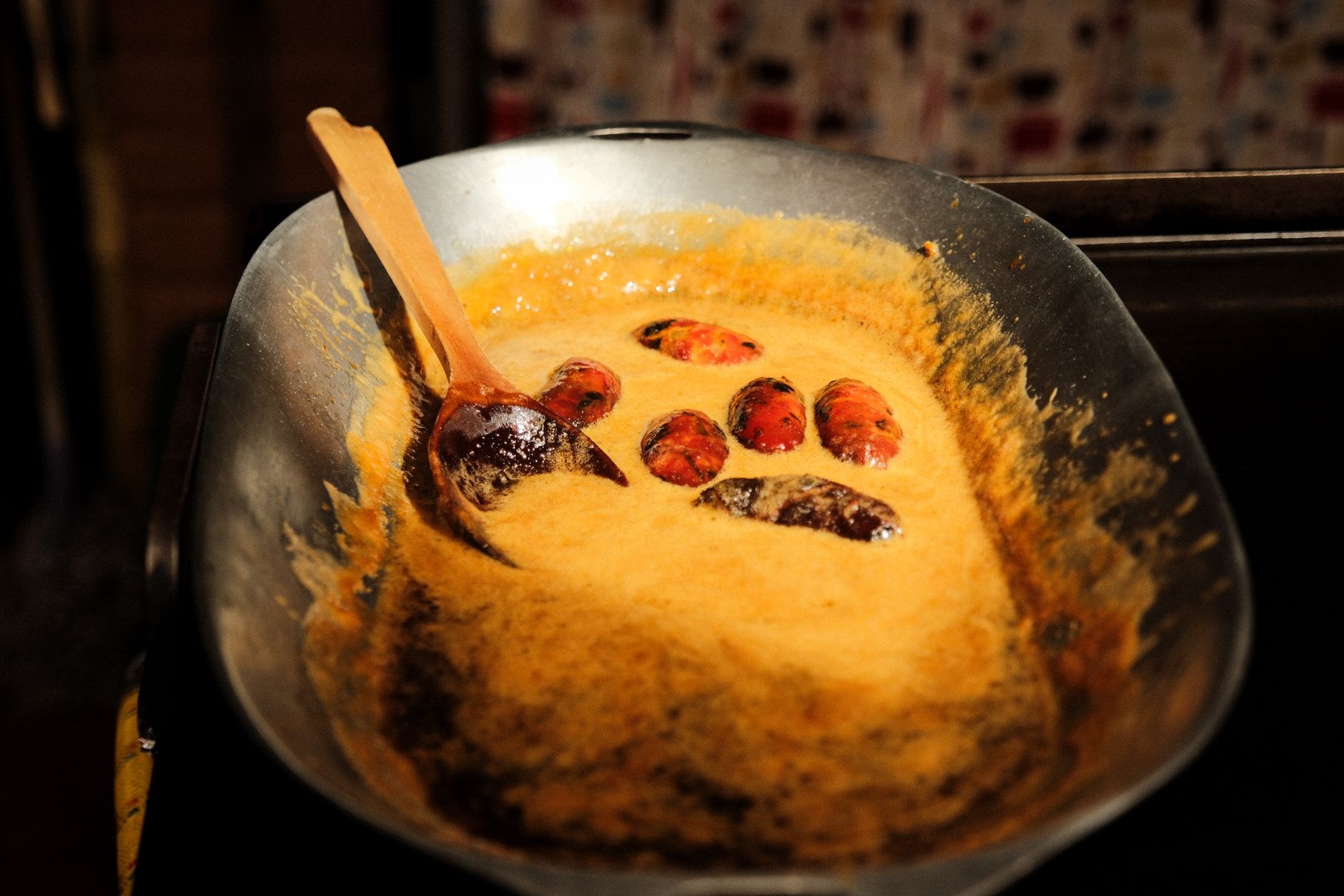
Palm oil, derived from the fruit of the oil palm tree, has become a staple ingredient in many processed foods, cooking oils, and personal care products. Its widespread popularity stems from its versatility, high smoke point, and ability to enhance flavors. However, the environmental impact and health implications associated with palm oil have raised significant concerns.
This article will explore the complexities of palm oil, examining its production, potential health effects, ethical considerations, and whether it should have a place in your kitchen. Understanding these aspects will help you make informed decisions about incorporating palm oil into your diet.
Is Palm Oil Bad?
Whether palm oil is “bad” depends on various factors including health perspectives, environmental impacts, and sustainability practices. While palm oil is not inherently harmful, its production methods and overconsumption have raised valid concerns that warrant further examination.
What is Palm Oil?
Palm oil is derived from the fruit of the oil palm tree, primarily cultivated in tropical regions of Asia, Africa, and South America. It is used as an ingredient in numerous food products, including margarine, baked goods, and processed snacks, due to its favorable properties.
- Types of Palm Oil: There are two main types: crude palm oil, extracted from the fruit, and palm kernel oil, derived from the seed. Both oils differ in flavor, color, and culinary applications.
- Flavor and Texture: Palm oil has a mild flavor and a creamy texture, making it an attractive choice for a variety of dishes.
Health Considerations of Palm Oil
The health implications of palm oil consumption have been debated. Some potential benefits and drawbacks include:
Potential Health Benefits
- Rich in Nutrients: Palm oil contains significant levels of antioxidants, particularly vitamin E and beta-carotene.
- Heart Health: Its saturated fat content is lower than that of butter, which may make it a better choice in moderation for some cooking applications.
Potential Health Risks
- Saturated Fat Content: Palm oil is high in saturated fats, which can contribute to elevated cholesterol levels when consumed in excess.
- Processed Products: Foods high in palm oil are often processed and may lack essential nutrients, leading to unhealthy eating patterns if consumed regularly.
Environmental Impact of Palm Oil Production
The production of palm oil has significant environmental implications, primarily stemming from deforestation and habitat destruction. Here are some critical issues related to its cultivation:
Deforestation and Biodiversity Loss
The expansion of oil palm plantations has led to extensive deforestation, particularly in countries like Indonesia and Malaysia. This deforestation endangers wildlife species such as orangutans, tigers, and elephants, disrupting ecosystems and diminishing biodiversity.
Greenhouse Gas Emissions
The clearing of forests for palm oil plantations contributes to greenhouse gas emissions, worsening climate change. Forests act as carbon sinks, and their destruction releases stored carbon back into the atmosphere.
Sustainable Palm Oil Initiatives
In response to environmental concerns, various sustainable palm oil initiatives have emerged, including:
- Roundtable on Sustainable Palm Oil (RSPO): This organization certifies sustainable palm oil production, ensuring that strict environmental and social standards are met.
- Various Certifications: Look for products with certifications that indicate sustainable practices, such as Fair Trade or Rainforest Alliance.
How to Choose Palm Oil in Your Kitchen
If you decide to include palm oil in your cooking, consider the following tips to make responsible choices:
1. Look for Certified Sustainable Products
Choosing products with certification labels can ensure that the palm oil you consume has been produced in an environmentally responsible manner.
2. Know Your Types of Palm Oil
Familiarizing yourself with the differences between crude palm oil and palm kernel oil can help you determine which is best for your culinary needs.
3. Moderation is Key
As with many dietary components, moderation is essential. Limiting palm oil consumption while balancing your diet with healthier fats, such as olive oil and avocado oil, can be beneficial.
Common Uses of Palm Oil
Palm oil is commonly used in various culinary applications, from frying to baking. Here are some popular uses:
Cooking and Frying
Due to its high smoke point, palm oil is suitable for frying and sautéing, lending a crispy texture to fried foods.
Baking
Palm oil can be used as a substitute for butter or margarine in baking recipes, providing moisture and a rich texture to cakes and cookies.
Processed Foods
Maintain an eye on ingredient labels, as palm oil is often included in processed foods, from snacks to spreads, adding flavor and texture.
Practical Substitutions for Palm Oil
If you’re looking to minimize or avoid palm oil, consider these substitutes for various culinary applications:
| Application | Substitute | Notes |
|---|---|---|
| Frying | Canola oil | Neutral flavor and high smoke point. |
| Baking | Coconut oil | Adds a subtle flavor and similar texture. |
| Spreads | Butter or margarine | Provides similar mouthfeel and flavor; consider dairy-free options if needed. |
Common Mistakes When Using Palm Oil
Using palm oil effectively requires some attention to detail. Here are some common mistakes to avoid:
- Overheating: Palm oil has a high smoke point, but overheating can create undesirable flavors. Always monitor the temperature when frying.
- Using Low-Quality Oil: The quality of palm oil can vary significantly. Opt for high-quality, sustainably sourced oil for better flavor and health benefits.
Storage and Shelf Life of Palm Oil
Proper storage enhances the longevity and quality of palm oil. Here are some tips:
- Store in a Cool, Dark Place: To prevent rancidity, keep palm oil away from direct sunlight and heat sources.
- Airtight Containers: Use airtight containers to minimize exposure to air and moisture, which can affect flavor and quality.
- Check for Freshness: Before using palm oil, check for off odors or unusual color, which may indicate rancidity.
Conclusion
The question of whether palm oil is bad is multifaceted. While it has potential health benefits and culinary uses, the environmental impact of palm oil production cannot be ignored. Choosing certified sustainable palm oil, consuming it in moderation, and being mindful of its application in the kitchen can help strike a balance. Ultimately, it’s essential to stay informed about palm oil sourcing and to consider alternatives where appropriate.
To explore related recipes, cooking tips, and other food guides, check out our articles on healthy cooking oils, baking substitutes, and meal planning ideas.