
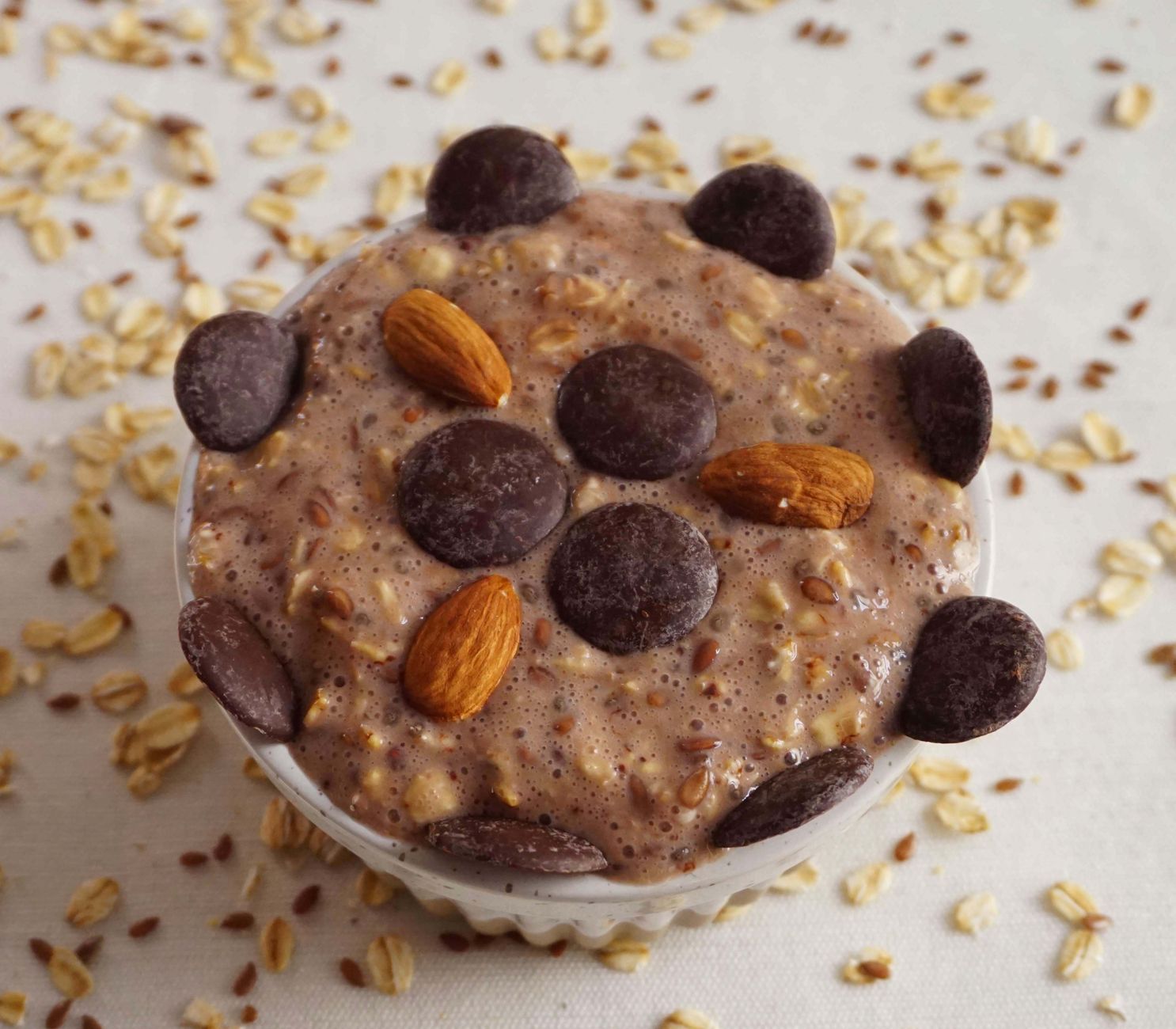
Overnight oats have risen in popularity due to their convenience and versatility as a breakfast option. These no-cook, cold oats offer a nutritious way to start the day, but many wonder if they truly are good for you. Understanding their nutritional profile can help you make informed choices for your diet.
In this article, we will explore the benefits, portion sizes, and how to prepare overnight oats. We will also consider their flavor, texture, and various ways to customize them to suit your tastes.
Is Overnight Oats Good for You?
Yes, overnight oats can be quite good for you. They are packed with nutrients, including fiber, protein, and healthy fats, which can keep you feeling full longer. However, the overall healthiness of your overnight oats will depend on the ingredients you choose to include.
The Nutritional Benefits of Overnight Oats
Overnight oats boast several advantages over traditional breakfast options. Here are some key benefits:
- Rich in Fiber: Oats are a great source of soluble fiber, which helps to promote healthy digestion and can aid in maintaining a healthy weight.
- Protein Content: Adding ingredients like yogurt, milk, or protein powder boosts the protein content, helping to keep you satisfied.
- Healthy Fats: Ingredients such as nut butter or seeds provide healthy fats, which are essential for body functions.
- Customizable: You can tailor your overnight oats to meet your dietary preferences by adjusting the ingredients and flavors.
- Convenience: They can be prepared ahead of time, making a quick and easy breakfast option.
How to Prepare Overnight Oats
Making overnight oats is a straightforward process. Below are the steps for preparing a basic version and some customization tips.
Basic Overnight Oats Recipe
This recipe provides a solid foundation that you can customize according to your preferences.
Yield: 2 servings
Prep Time: 5 minutes
Chill Time: 6 hours (or overnight)
Total Time: 6 hours 5 minutes
Ingredients
- 1 cup rolled oats
- 1 cup milk (or milk alternative)
- 1/2 cup yogurt (optional)
- 1 tablespoon chia seeds (optional)
- 1-2 tablespoons sweetener (honey, maple syrup, or agave syrup)
- 1/2 teaspoon vanilla extract
- Fruits, nuts, and spices for topping (e.g., bananas, berries, almonds, cinnamon)
Essential Equipment
- Mixing bowl
- Measuring cups and spoons
- Jar or container with a lid for storage (e.g., Mason jar or Tupperware)
Method
- In a mixing bowl, combine the rolled oats, milk, yogurt (if using), chia seeds (if using), sweetener, and vanilla extract. Stir until all ingredients are well mixed.
- Transfer the mixture into a jar or container, ensuring there is enough room for expansion as it soaks.
- Seal the jar and refrigerate for at least 6 hours or overnight.
- In the morning, stir the oats. Add your desired toppings and enjoy cold.
Customizing Your Overnight Oats
One of the greatest benefits of overnight oats is their versatility. Below are some ideas for customizing your recipe based on your preferences:
Flavor Variations
- Fruits: Add fruits like berries, bananas, or chopped apples for sweetness and texture. You can mix them in with the oats or add them as a topping.
- Nuts and Seeds: Top with a handful of nuts or seeds such as walnuts, pecans, or pumpkin seeds for extra crunch and healthy fats.
- Spices: Enhance flavor by incorporating spices like cinnamon, nutmeg, or cocoa powder.
- Nut Butters: Stir in or top your oats with almond butter, peanut butter, or sunflower seed butter for added creaminess and flavor.
Dietary Adjustments
- Gluten-Free: Ensure you use certified gluten-free oats for gluten sensitivity.
- Low-Carb: Consider using fewer oats and increase the protein by adding more yogurt or protein powder.
- Dairy-Free: Substitute dairy milk and yogurt with plant-based options like almond milk or coconut yogurt.
Portion Sizes and Storage
When it comes to portion sizes, the standard serving of overnight oats typically ranges from 1/2 to 1 cup of oats. When prepared, overnight oats can expand due to the liquid absorption, making them quite filling. Adjust the portion to fit your hunger levels and dietary needs.
For storage, overnight oats can be kept in the refrigerator for up to 5 days, making them an ideal candidate for meal prep. You can prepare multiple jars at once for grab-and-go breakfasts throughout the week.
Common Mistakes to Avoid
- Overly Thick Mixture: If your oats end up too thick, consider adding more liquid before refrigerating.
- Forgetting Sweeteners: Remember to add some form of sweetness, especially if you’re using unsweetened ingredients like yogurt or milk.
- Neglecting Time: Allow the oats enough time to soak—rushing this step can lead to a chewy texture rather than the desired creamy consistency.
Potential Downsides to Consider
While overnight oats are generally a healthy option, it’s essential to be aware of potential downsides:
- Added Sugars: Pre-made oat mixes or added sweeteners can increase sugar intake. Always opt for natural sweeteners in moderation.
- Caloric Content: Depending on the ingredients added, the calorie count can rise significantly. It’s crucial to be mindful of portion sizes and toppings.
- Food Safety: Ensure the ingredients you select are fresh and stored properly to avoid spoilage.
Conclusion
Overnight oats are a nutritious and versatile breakfast option that can be tailored to fit your dietary needs and preferences. With their rich source of fiber, protein, and healthy fats, they can contribute positively to your overall health. Experimenting with various flavors and ingredients allows for creativity while keeping meals exciting.
If you’re looking to enhance your overnight oats experience, consider exploring recipes that incorporate chia seeds or chia pudding, which are similar but offer their unique benefits.
For more information and recipes, check out our articles on the benefits of chia seeds or try out our chia pudding recipe with coconut milk. Happy cooking and enjoy your healthy breakfasts!