
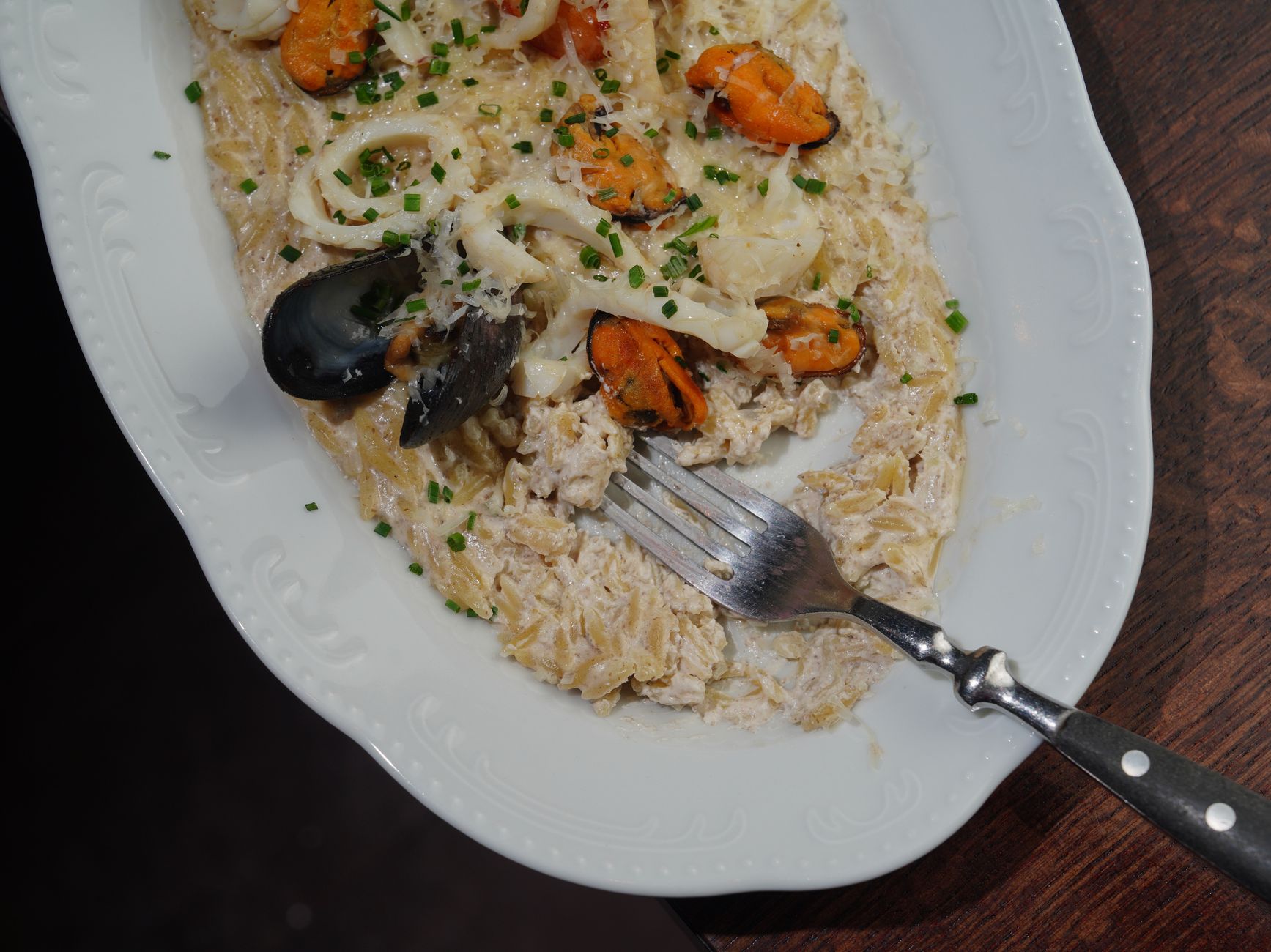
Orzo, often mistaken for rice or a grain, is actually a type of pasta shaped like a large grain of rice. It finds a place in various dishes, ranging from soups to salads and even casseroles. With its versatility and delightful texture, one can easily be curious about its nutritional profile, particularly its carbohydrate content.
Understanding whether orzo is high in carbs is essential for those monitoring their carbohydrate intake, such as individuals on low-carb diets or those managing diabetes. This article will delve into the nutritional facts, serving sizes, and how to incorporate orzo into a balanced diet.
Is Orzo High in Carbs?
Yes, orzo is high in carbohydrates compared to many other foods. A typical serving size (about 1 cup cooked) contains approximately 32 grams of carbohydrates. However, the impact of these carbs on health depends on individual dietary needs and how orzo is incorporated into meals.
Nutritional Profile of Orzo
Before diving deeper into its carbohydrate content, it’s prudent to look at the overall nutritional profile of orzo. Here’s a general breakdown of the nutrition per 1 cup cooked (about 140 grams):
| Nutrient | Amount |
|---|---|
| Calories | 200 |
| Protein | 7 grams |
| Fat | 1 gram |
| Carbohydrates | 32 grams |
| Fiber | 2 grams |
| Sugar | 1 gram |
| Iron | 8% of Daily Value |
| Vitamin B6 | 5% of Daily Value |
Understanding Carbohydrates
Carbohydrates can be categorized into two main types: simple and complex.
Simple Carbohydrates
These carbohydrates consist of one or two sugar molecules. They digest quickly and can lead to rapid spikes in blood sugar. Foods high in simple carbs include candies and sugary snacks.
Complex Carbohydrates
Orzo falls into this category. Complex carbohydrates, made up of longer chains of sugar molecules, digest slowly and provide sustained energy. Foods high in complex carbs include whole grains, legumes, and certain vegetables.
How Does Orzo Fit into a Low-Carb Diet?
Individuals on low-carb diets, such as ketogenic or Atkins, often restrict orzo due to its carbohydrate content. While orzo is a good source of energy, it can be challenging to fit into these diets without surpassing daily carb limits.
Alternatives for Low-Carb Diets
- Quinoa: Higher in protein and fiber, lower in carbs.
- Cauliflower Rice: Very low in carbs and provides a similar texture.
- Shirataki Noodles: Made from konjac yam, extremely low in calories and carbs.
- Zucchini Noodles: A popular pasta alternative that is low in carbs and calories.
Portion Control: Serving Sizes of Orzo
Understanding portion sizes is essential to manage carbohydrate intake. A typical serving of cooked orzo is around 1 cup. When planning meals, consider the following guidelines:
Recommended Serving Sizes
- 1/2 cup cooked for a side dish
- 1 cup cooked for a main dish
- 1 cup cooked combined with proteins and vegetables for a balanced meal
Incorporating Orzo into Your Meals
Orzo’s versatility allows it to be included in numerous dishes, aiding in meal planning. Here are some ideas for incorporating it into your diet:
- **Soups**: Add cooked orzo to vegetable or chicken soup for added texture and heartiness.
- **Salads**: Toss cooked orzo with roasted vegetables and a dressing for a nutritious salad.
- **Casseroles**: Use orzo in place of rice in your favorite casserole recipes.
- **Pilaf**: Sauté orzo with onions and garlic, then cook in broth for a flavorful side dish.
Common Mistakes When Cooking Orzo
Cooking orzo may seem straightforward, but certain common mistakes can affect the dish:
Overcooking Orzo
Orzo cooks quickly, usually in about 8-10 minutes. Overcooking can lead to mushy pasta that loses its texture. Always taste test for doneness.
Neglecting to Stir
Orzo can stick together if not stirred occasionally during cooking. Stirring helps to keep the pasta separate and prevent clumping.
Not Using Enough Water
The general rule is to use 4 cups of water for every 1 cup of orzo. Using too little water can lead to uneven cooking.
Orzo Storage and Reheating
Correctly storing and reheating orzo can enhance meal prep efficiency and reduce food waste.
Storage Guidelines
Cooked orzo can be stored in an airtight container in the refrigerator for up to 5 days. It’s best to store it separate from sauces to prevent it from becoming mushy.
Reheating Tips
- Microwave: Reheat orzo in a microwave-safe container. Add a few drops of water to maintain moisture.
- Stovetop: Place orzo in a pan with a splash of broth or water and gently heat until warm.
Conclusion
Orzo is indeed high in carbohydrates, making it a significant source of energy in the diet. While it can fit into various meal plans, those adhering to low-carb diets should consider alternatives. Manage portion sizes and storage effectively for the best experience. Remember, the key to including orzo or any carbohydrate-rich food is to balance it with proteins and healthy fats in your meals.
For more cooking tips and meal ideas, explore our guides on whole grains, healthy pasta alternatives, and nutrient-dense recipes to support your dietary needs.