
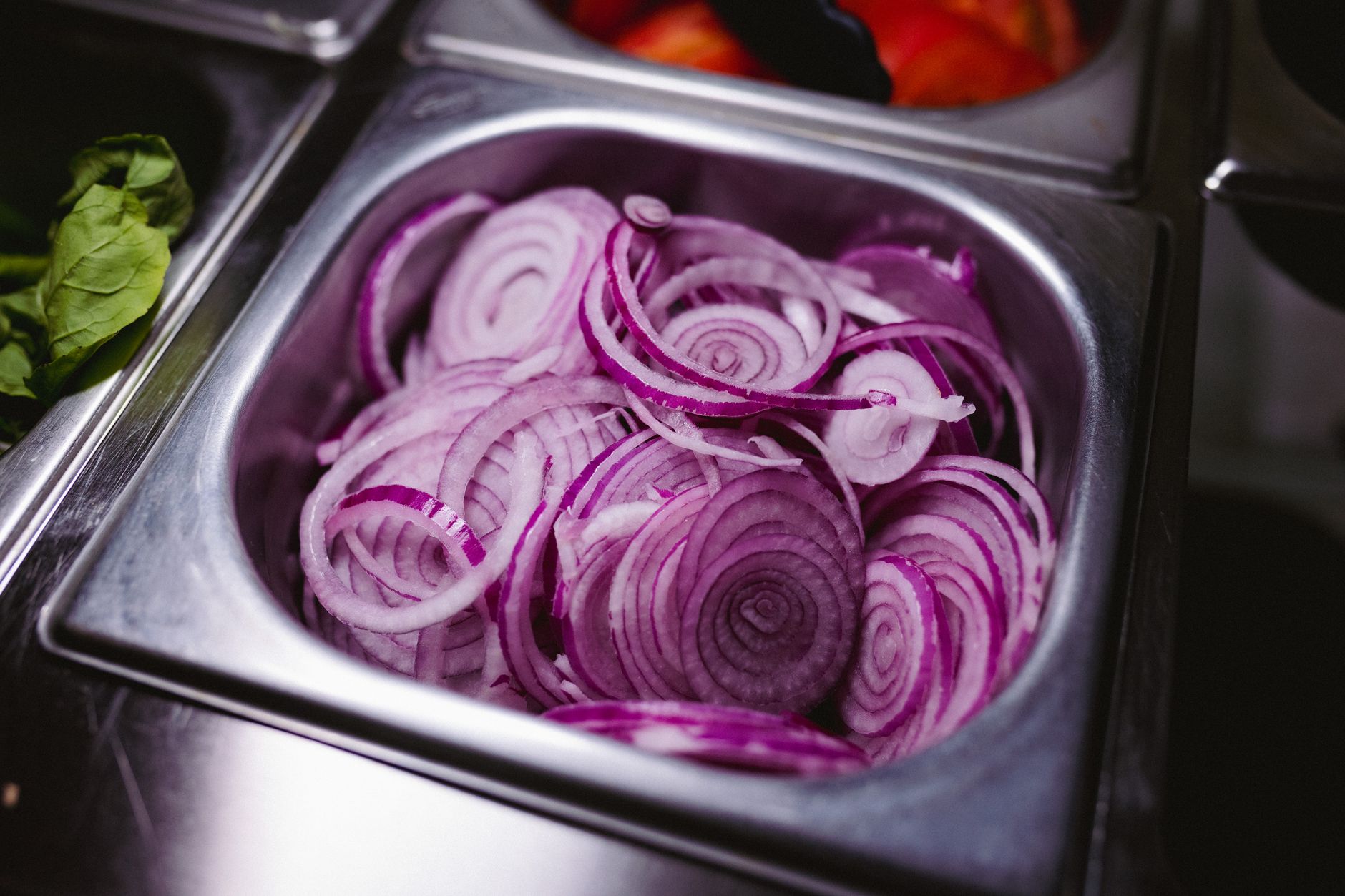
Onions are a staple ingredient found in kitchens around the world. While they add flavor and aroma to countless dishes, you may wonder about their health benefits. Understanding whether onions are healthy involves looking at their nutritional profile, recommended portions, and any considerations when incorporating them into your diet.
This article delves into the health aspects of onions, focusing on their nutritional value, ideal servings, and important health considerations to keep in mind while enjoying this versatile vegetable.
Is Onion Healthy?
Yes, onions are considered healthy! They are low in calories but high in nutrients and antioxidants, making them a valuable addition to a balanced diet. Their potential health benefits range from supporting heart health to possessing anti-inflammatory properties.
Nutritional Profile of Onions
Onions are known for their distinctive flavor and numerous health benefits, largely due to their rich nutritional content. Here is a breakdown of the key nutrients found in a medium raw onion (approximately 110 grams):
- Calories: 44
- Carbohydrates: 10 grams
- Fiber: 1.9 grams
- Protein: 1.2 grams
- Fat: 0.1 grams
- Vitamin C: 7% of the Daily Value (DV)
- Vitamin B6: 6% of the DV
- Folate: 5% of the DV
- Potassium: 4% of the DV
- Manganese: 4% of the DV
The presence of vitamins, particularly vitamin C and B6, alongside minerals like potassium, underscores the beneficial health effects of onions. Additionally, they are a significant source of other beneficial compounds, including flavonoids and sulfur-containing compounds, which contribute to their antioxidant properties.
Health Benefits of Onions
Incorporating onions into your diet may provide several notable health benefits:
1. Heart Health
Onions have been linked to improved heart health due to their ability to lower blood pressure and reduce cholesterol levels. This effect can be attributed to their antioxidant properties and blood-thinning agents, which promote healthy circulation.
2. Antioxidant Properties
Onions are rich in antioxidants, mainly quercetin, which helps combat oxidative stress in the body. This property may support overall health and lower the risk of chronic diseases.
3. Anti-Inflammatory Effects
The compounds found in onions not only act as antioxidants but also help reduce inflammation, which is linked to various health issues, such as heart disease and diabetes.
4. Improved Bone Health
Some studies suggest that onions may enhance bone density, making them a beneficial food for overall skeletal health, particularly in older adults.
5. Digestive Health
Onions are a good source of prebiotic fiber, which supports gut health by nourishing beneficial gut bacteria, promoting digestive health, and potentially aiding in weight management.
Portion Size and Usage Recommendations
Understanding the appropriate portion size for onions can maximize their health benefits while minimizing possible digestive discomfort, especially for those sensitive to high-FODMAP foods.
Recommended Portions
A standard serving of raw onion is approximately 1/2 cup, or 70 grams. While many people can enjoy onions daily, a serving of around 1/2 to 1 onion per day is generally safe and healthy for most individuals. It’s wise to start with smaller amounts if you’re not accustomed to consuming them regularly.
Cooking Techniques and Culinary Uses
Onions can be prepared in various ways, each altering their flavor and texture:
- Raw: Add sliced onions to salads and sandwiches for a crunchy texture.
- Sautéed: Cooking onions in oil enhances their sweetness and richness, making them ideal for sauces and soups.
- Roasted: Roasting brings out their natural sugars and adds depth to various dishes.
- Caramelized: Slowly cooking onions until golden brown produces a sweet, savory flavor perfect for toppings or sides.
- Pickled:Quick-pickling can add bright, tangy flavor to dishes.
Each cooking method offers unique flavor profiles, allowing onions to elevate a variety of dishes.
Considerations When Consuming Onions
While onions are healthy and generally safe, certain considerations can help you enjoy them more comfortably:
1. Digestive Sensitivity
Some individuals may experience digestive discomfort after consuming onions, especially raw or in large quantities. This is usually due to high levels of fructans, which can cause gas and bloating.
2. Allergies and Intolerances
Though rare, some people may have sensitivities or allergies to onions that cause allergic reactions or intolerances. Signs may include skin rashes or digestive disturbances. If you suspect an allergy, consult a healthcare professional.
3. Strong Odor
Onions can leave a strong odor on your breath or hands. Using a stainless-steel utensil while cutting onions or rubbing your hands with stainless steel can help minimize lingering smells.
4. Drug Interactions
Onions may interact with certain medications, particularly blood thinners or anti-platelet drugs. If you’re on medication, it’s advisable to consult with a healthcare provider regarding onion consumption.
Common Substitutes for Onions
If you need to avoid onions for any reason, several substitutes can mimic their flavor and texture:
- Shallots: Milder than onions and offer a similar taste.
- Leeks: Provide a mild onion taste with a subtle sweetness.
- Green Onions: Use the white and green parts for a fresh, mild flavor.
- Chives: Offer a mild onion flavor that works well in recipes.
- Garlic: Though distinct, garlic is aromatic and can complement dishes requiring onion in moderation.
Ways to Incorporate More Onions into Your Diet
For those looking to increase their onion consumption, several strategies can help:
1. Sneak Them into Meals
Chop onions finely and mix them into ground meat, sauces, and soups for additional flavor without overwhelming the dish.
2. Add to Salads
Use sliced or diced raw onions in salads or on sandwiches for added crunch and taste.
3. Flavorful Broths and Sauces
Sauté onions as a base for soups, stews, and sauces to develop rich, complex flavors.
4. Roasting or Grilling
Roast or grill onions as a side dish or topping for burgers, steaks, and salads.
5. Try Onion-Infused Oils or Sauces
Use onion-flavored oils or sauces to drizzle over dishes for a burst of flavor without actual pieces of onion.
Storage Tips for Onions
Proper storage can extend the shelf life of onions and keep them fresh:
1. Whole Onions
Store whole onions in a cool, dry, dark place with good air circulation. A basket or mesh bag is ideal. Do not refrigerate whole onions, as this can lead to mold and sprouting.
2. Cut Onions
Wrap cut onions in plastic wrap or place them in an airtight container and store them in the refrigerator for up to 7-10 days. Ensure there are no strong-smelling foods nearby, as onions can absorb odors.
3. Freezing Onions
Onions can be frozen for longer storage. Chop them, blanched them for a couple of minutes, cool, and then freeze in airtight containers or freezer bags. Properly stored, they can last up to six months.
Conclusion
Onions are a healthful addition to most diets, packed with nutrients and potential health benefits. They can enhance flavors, improve heart health, and offer anti-inflammatory properties. To make the most of your onion consumption, consider portion sizes and cooking methods, and remember to store them properly to maintain freshness.
For delicious recipes to incorporate onions into your meals, explore our guides on creamed onions and onion jam.