
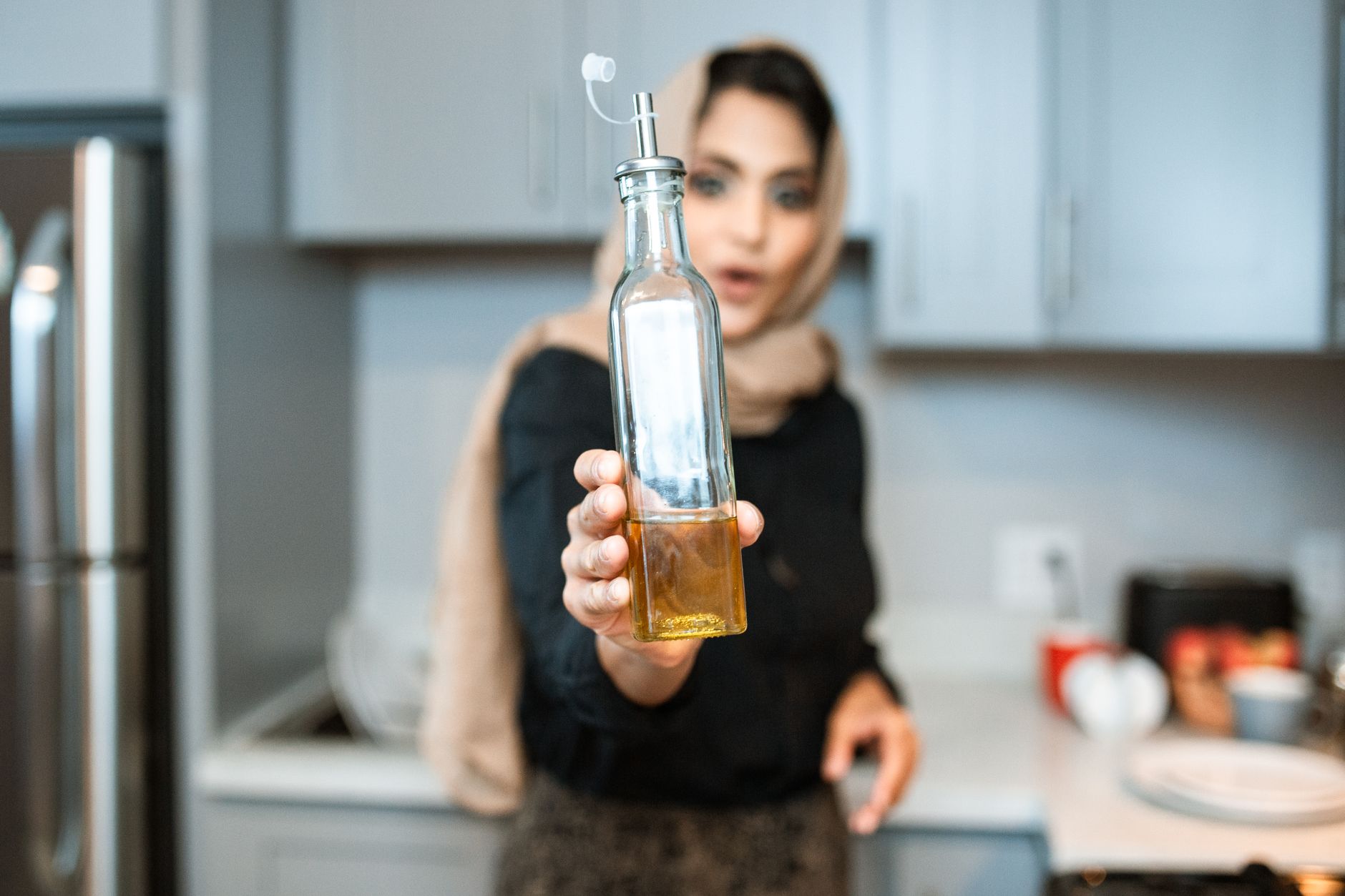
Understanding the suitability of olive oil for high-heat cooking methods is an essential aspect of culinary knowledge. Many home cooks often wonder if they can use olive oil for frying, roasting, or grilling without compromising flavor or health benefits. This article will highlight the characteristics of olive oil, its smoke point, and offer practical guidance on when and how to use it effectively in high-heat cooking.
Olive oil is a staple in many kitchens and is prized for its flavor and health benefits. This guide will cover its various types, ideal cooking methods, and timing for optimal results, ensuring you can confidently incorporate olive oil into your high-heat dishes.
Is Olive Oil High Heat?
Olive oil can indeed be used for high-heat cooking, but there are important distinctions to consider. The smoke point for olive oil typically ranges between 320°F (160°C) and 420°F (216°C), depending on the type. Extra virgin olive oil has the lowest smoke point, while refined olive oil can handle higher temperatures. While it is suitable for sautéing and roasting, it’s essential to use it mindfully to preserve its flavor and healthful compounds.
Types of Olive Oil
Understanding the different types of olive oil can help you make better choices based on cooking methods:
- Extra Virgin Olive Oil (EVOO): This is the highest quality olive oil, made from cold-pressed olives. It retains its flavor and antioxidants but has a lower smoke point (around 320°F/160°C).
- Virgin Olive Oil: Similar to EVOO but with slightly higher acidity, it has a smoke point of about 420°F (216°C) and can be used for moderate heat cooking.
- Pure Olive Oil: A blend of refined and virgin oils, it has a higher smoke point (around 465°F/240°C) and is suitable for frying.
- Refined Olive Oil: This type has been chemically treated to remove impurities, allowing for even higher smoke points and a neutral flavor. Its smoke point can reach up to 465°F (240°C).
- Light Olive Oil: Despite the name, “light” refers to the flavor and not the calorie content. It has a high smoke point (around 465°F/240°C) and is perfect for high-heat cooking.
Comparing Olive Oil with Other Cooking Oils
It’s helpful to compare olive oil with other commonly used cooking oils to understand its suitability for high-heat applications.
| Oil Type | Smoke Point (°F) | Flavor Profile |
|---|---|---|
| Extra Virgin Olive Oil | 320°F | Fruity, rich |
| Canola Oil | 400°F | Neutral |
| Grapeseed Oil | 420°F | Light, nutty |
| Coconut Oil | 350°F | Sweet, tropical |
| Avocado Oil | 520°F | Butter-like, mild |
When to Use Olive Oil for High-Heat Cooking
Now that you understand the types of olive oil and their smoke points, let’s discuss specific cooking methods and when to choose olive oil over other fats.
Sautéing
Sautéing typically involves cooking quickly over medium to medium-high heat, where mild olive oils can excel. Extra virgin olive oil may be used, but it is advisable to keep the heat on the lower side to prevent reaching its smoke point.
Frying
For frying, opt for pure or refined olive oil for better stability under higher heat. When frying foods like chicken or potatoes, be mindful of temperature control to maintain the oil’s quality.
Roasting
Roasting vegetables or meats at temperatures around 400°F (204°C) can be a perfect application for virgin olive oil as it allows you to develop rich flavors and crisp textures while staying below the smoke point.
Grilling
Using olive oil on meats or vegetables before grilling imparts flavor while also acting as a moisture barrier. Brush your items lightly with olive oil to prevent sticking, and keep the flame under control to avoid flare-ups.
Baking
While less common, baking with olive oil can enhance certain dishes, especially savory breads or muffins. For baking applications, use light or refined olive oil for a milder flavor that complements your baked goods without overwhelming them.
Timing and Serving Tips
To optimize your cooking with olive oil, consider the following timing and serving tips:
- Preheat the Oil: Allow the oil to heat before adding ingredients to improve flavor and cooking efficiency.
- Monitor Temperature: Use a thermometer when frying to maintain precise heat levels that avoid reaching the smoke point.
- Mix with Other Oils: Consider blending olive oil with oils that have higher smoke points for frying, allowing for a desirable flavor without sacrificing stability.
- Flavor Enhancer: Drizzle olive oil over finished dishes like roasted vegetables or pasta just before serving for added richness.
Practical Substitutions for Olive Oil
If olive oil isn’t available or you want to try something different, there are various substitutions to consider. Each brings its own unique flavor and characteristics to dishes:
- Avocado Oil: With a high smoke point, it is a suitable alternative for high-heat cooking and imparts a buttery flavor.
- Coconut Oil: Known for its distinct flavor profile. It works great in baking and some frying applications, but note its lower smoke point.
- Grapeseed Oil: A more neutral flavor makes it a versatile replacement for those who want to avoid the taste of olive oil while maintaining high heat stability.
- Sunflower Oil: This oil has a high smoke point and mild flavor, making it ideal for frying and roasting.
Common Mistakes When Using Olive Oil
When using olive oil, some common pitfalls can lead to undesirable outcomes. Here’s how to avoid them:
- Cooking at Too High a Temperature: Exceeding the smoke point can produce burnt flavors and harmful compounds.
- Using EVOO for Frying: While tempting, it’s better to reserve extra virgin olive oil for drizzling or low-heat applications to retain its flavor and health benefits.
- Failing to Monitor Cooking Time: Overcooking oil can ruin both the flavor and nutritional benefits; keeping an eye on cooking times is crucial.
Storage and Shelf Life of Olive Oil
Proper storage extends the life and quality of olive oil, especially when high-heat cooking is involved:
- Keep it Cool: Store olive oil in a cool, dark place, away from heat sources and sunlight.
- Seal it Tight: Make sure the bottle is tightly sealed to prevent oxidation, which can degrade the quality over time.
- Check the Expiration Date: Use olive oil within its shelf life—typically around 18–24 months after pressing. Freshness significantly influences flavor.
Concluding Thoughts
Olive oil is a versatile ingredient that can be successfully used for many cooking methods, including high-heat options. Understanding its different types and smoke points enables you to use it wisely and creatively in your cooking endeavors. By keeping the temperature in check, choosing the right type of olive oil, and following sound cooking practices, you can enjoy its rich flavors while benefiting from its nutritional strengths.
For more cooking tips and ingredient advice, explore how to substitute avocado oil for olive oil, or learn about air frying chicken wings for high-heat applications.