
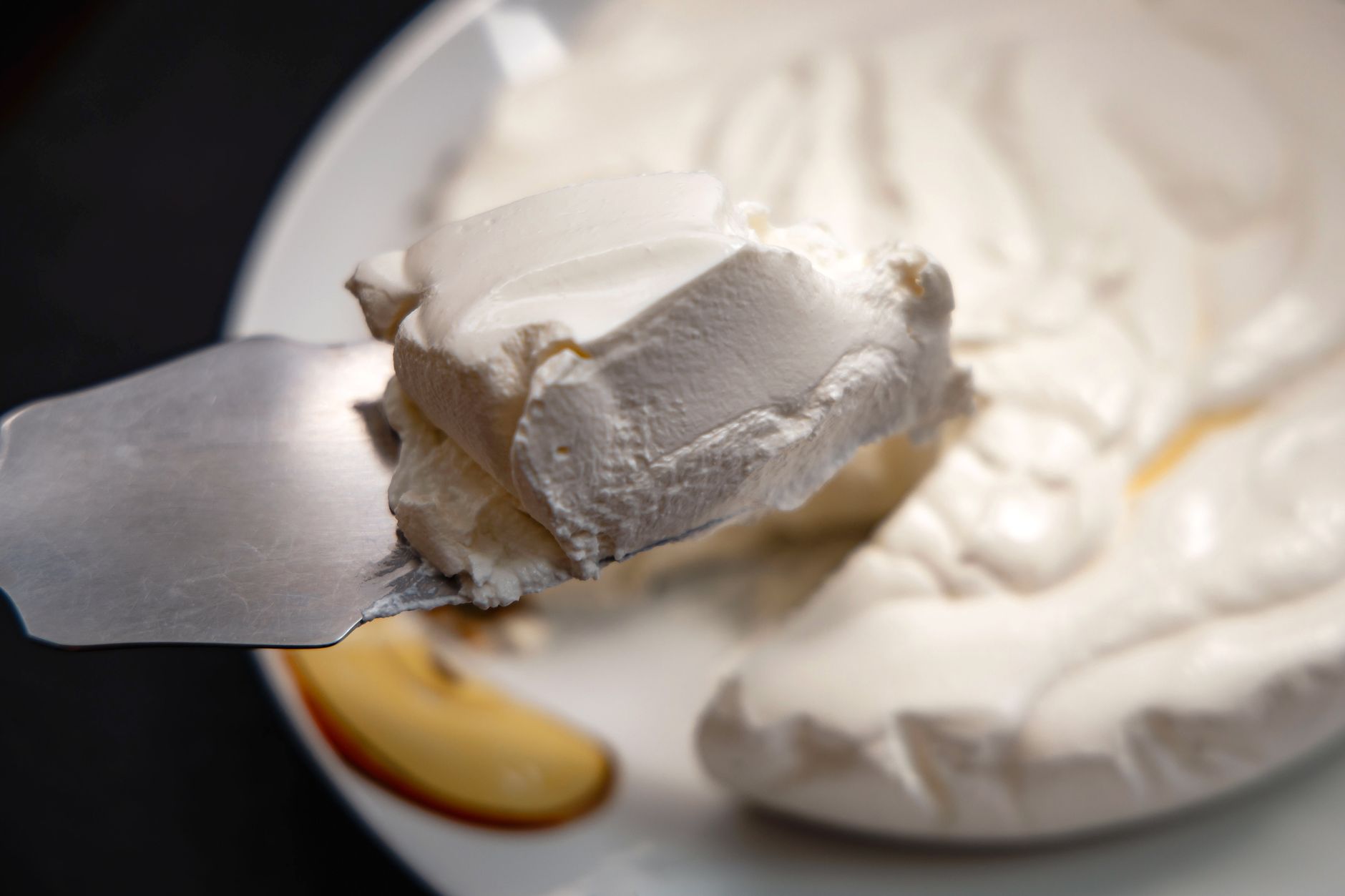
Neufchatel cheese and cream cheese are often cited together in recipes and discussions about creaminess, spreadability, and even health benefits. While both types of cheese share similar textures and culinary uses, they have distinct differences in flavor, fat content, and production methods. Understanding these nuances can enhance your cooking and help you choose the right cheese for your culinary endeavors.
In this article, we will explore whether Neufchatel cheese is a type of cream cheese, dive into its characteristics, and discuss its various uses in recipes. Whether you’re a cheese aficionado or just looking to learn more about your ingredients, this guide will provide you with valuable insights into Neufchatel cheese and cream cheese.
Is Neufchatel Cheese Cream Cheese?
No, Neufchatel cheese is not technically cream cheese, though they are both soft cheeses used similarly in cooking. Neufchatel cheese originates from France and has a lower fat content compared to standard cream cheese, which generally contains around 33% fat. Neufchatel cheese usually features about 23% fat, leading to a milder flavor and creamier texture. Both can be used interchangeably in certain recipes, but understanding their differences can influence your culinary choices.
What Is Neufchatel Cheese?
Neufchatel cheese is a traditional French cheese that hails from the Normandy region. It is known for its soft, creamy texture and is often shaped into heart-like forms or squares. The cheese is made from cow’s milk and undergoes a fermentation process, giving it its characteristic tangy and mild flavor. It is often sold with a white, bloomy rind, which can be eaten along with the cheese.
Characteristics of Neufchatel Cheese
- Texture: Soft and creamy
- Flavor: Mild, slightly tangy
- Fat Content: Approximately 23%
- Appearance: Typically served in blocks with a white, edible rind
What Is Cream Cheese?
Cream cheese is a soft, spreadable cheese made from milk and cream, with a higher fat content than Neufchatel cheese. It has a smooth, rich flavor and is a staple ingredient in many recipes, from cheesecakes to savory dips. Cream cheese is widely available in supermarkets and is often enriched with stabilizers to enhance its texture. The standard cream cheese is primarily composed of around 33% fat.
Characteristics of Cream Cheese
- Texture: Soft and creamy with a velvety finish
- Flavor: Rich and mildly tangy
- Fat Content: Approximately 33%
- Appearance: Generally sold in brick form or as spreadable tubs
Comparative Analysis: Neufchatel Cheese vs. Cream Cheese
When comparing Neufchatel cheese and cream cheese, it’s clear that both have unique characteristics, but they also share several similarities.
Nutritional Differences
The main difference between Neufchatel and cream cheese lies in their fat content. Neufchatel is a lower-fat alternative, which can be appealing for those watching their calorie intake. While cream cheese is creamier and more luscious in texture, Neufchatel can be a healthier option without drastically changing the overall flavor profile of dishes.
Culinary Uses
Both cheeses can be used in a variety of recipes, although they may yield different results. Cream cheese lends itself well to desserts such as cheesecakes, frostings, and pastries, while Neufchatel is excellent for savory applications like spreads, dips, and even on charcuterie boards.
Flavor Profile
Neufchatel has a slightly tangier and lighter taste, while cream cheese has a richer and creamier flavor. These differences can affect the overall taste of a dish, particularly in desserts where a creamier texture might be preferable.
Common Uses for Neufchatel Cheese
Neufchatel cheese is quite versatile and can be used for various purposes in the kitchen. Here are some popular uses:
Spreads and Dips
Neufchatel cheese makes an excellent base for spreads and dips. Its mild flavor infiltrates well with other ingredients like herbs, garlic, or smoked salmon, making it a perfect addition to a party platter.
Cooking and Baking
In cooking or baking, Neufchatel can be used as a substitute for cream cheese in recipes, particularly for savory dishes. It works well in creamy pasta sauces or as a filling in stuffed chicken breasts.
On Charcuterie Boards
This cheese pairs wonderfully with fruits, nuts, and crackers, making it a great addition to any charcuterie board or cheese platter.
Salads
Thinned with yogurt or olive oil, Neufchatel can be used as a creamy salad dressing, giving your greens an appealing creamy texture without the richness of traditional dressings.
Common Uses for Cream Cheese
Cream cheese is widely used in various dishes and has a firm place in both sweet and savory cooking. Here are some common uses:
Baking
One of the most prominent uses of cream cheese is in baking, particularly in cheesecakes, cupcakes, and frostings. It contributes a rich, creamy texture that enhances the overall structure and flavor of baked goods.
Dips
Cream cheese is a popular ingredient in dips such as spinach and artichoke dip or buffalo chicken dip, providing a rich and creamy base.
Breakfast Items
Used as a spread on bagels or toast, cream cheese brightens breakfast with its smooth texture and can be flavored with fruits or herbs for variety.
Filling for Pastries
In pastries, cream cheese can form the base of savory fillings for items like danishes, providing an irresistible creaminess.
Substituting Neufchatel Cheese for Cream Cheese
If you find yourself needing cream cheese but only have Neufchatel cheese on hand, you can use it as a substitute in certain instances. Here’s how to effectively make the swap:
Substitution Ratio
To substitute Neufchatel for cream cheese, use a 1:1 ratio. For example, if a recipe calls for 8 ounces of cream cheese, you can substitute it with 8 ounces of Neufchatel cheese.
Impact on Flavor and Texture
While Neufchatel will provide a similar creamy texture, the overall flavor may be slightly less rich. This could work to your advantage in recipes where a lighter taste is desired or in savory applications.
Common Mistakes When Using Neufchatel Cheese and Cream Cheese
When working with these cheeses, it is easy to encounter some common pitfalls. Here are a few tips to avoid them:
Overmixing Cream Cheese
When making batter for baked goods, overmixing cream cheese can lead to a dense final product instead of the delightful lightness you might be after. Mix until just combined to ensure a fluffy texture.
Not Allowing Cheese to Come to Room Temperature
Whether using Neufchatel or cream cheese, allow it to come to room temperature before using it in recipes. This allows for easier blending and improved texture.
Ignoring Flavor Pairings
Both cheeses can be flavored in various ways. When making a spread or dip, don’t hesitate to add ingredients like garlic, herbs, or spices for an elevated profile instead of using them as they are.
Storage Tips for Neufchatel and Cream Cheese
Proper storage of both cheeses is key to maintaining their quality and extending their shelf life. Here are some storage tips:
Refrigeration
Both Neufchatel and cream cheese should be stored in the refrigerator at or below 40°F. Keep them in their original packaging or transfer them to an airtight container to prevent them from absorbing other odors.
Freezing Options
If you have extra cheese that you won’t use in time, both Neufchatel and cream cheese can be frozen, though texture may change slightly upon thawing. Wrap them tightly in plastic wrap, followed by aluminum foil, and place them in an airtight container.
Checking Freshness
Before using either cheese, check for any off smells or mold, especially if the packaging has been opened for a while. When in doubt, it’s best to err on the side of caution and discard it.
Conclusion: Choosing the Right Cheese for Your Needs
Understanding the differences between Neufchatel cheese and cream cheese can make a significant difference to your culinary creations. Whether you opt for the lower-fat texture of Neufchatel or the rich creaminess of cream cheese, each can serve its purpose in various recipes. The choice depends on your personal preference and desired final result.
Now that you know more about Neufchatel cheese and cream cheese, consider exploring their uses in your next meal. For delicious inspiration, check out our recipes for Cream Cheese Wontons or Creamy Ramen.