
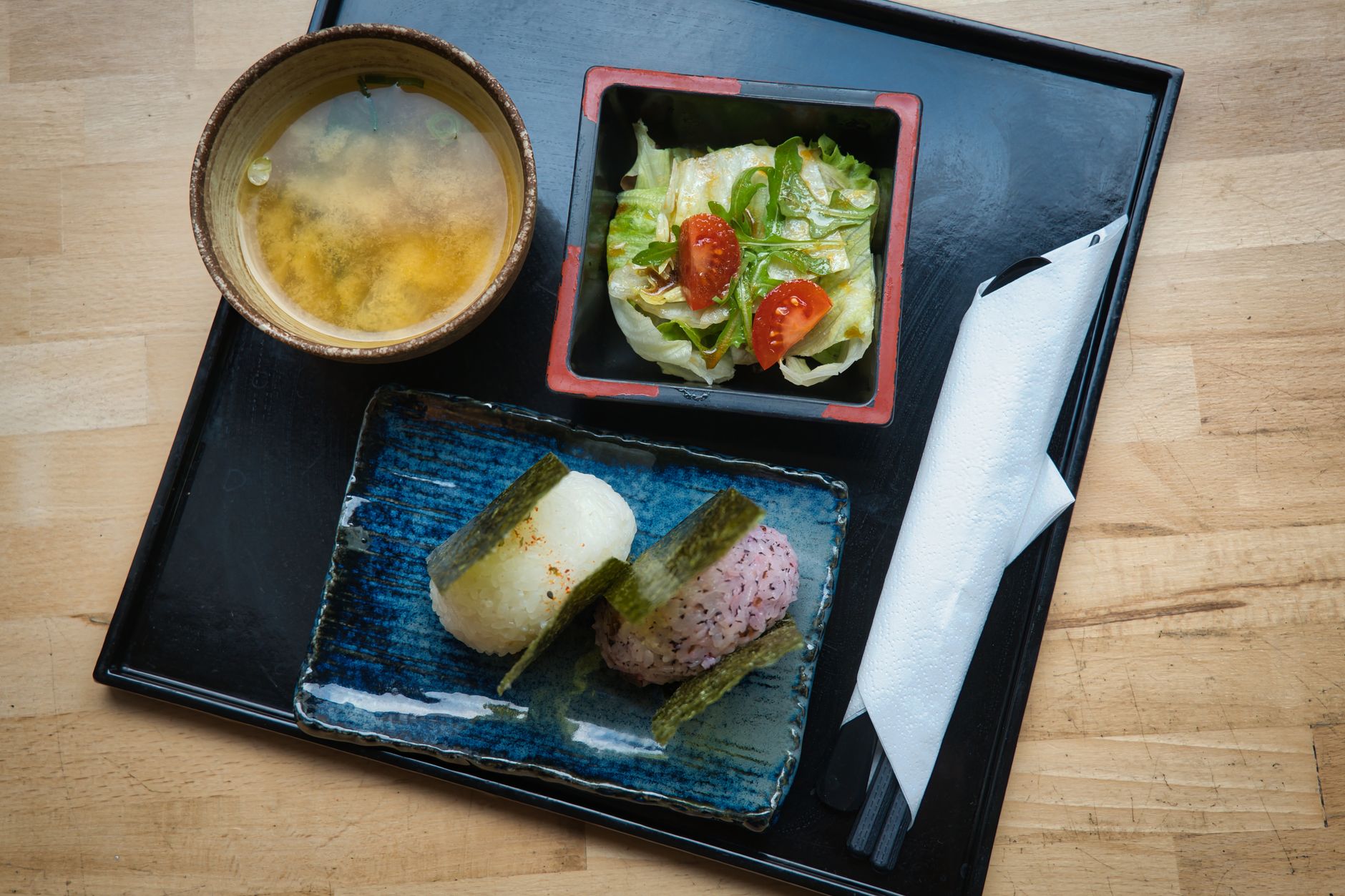
Miso paste, a staple in Japanese cuisine, is celebrated for its rich umami flavor and versatility in various dishes. However, those following a vegan diet often wonder: is miso paste vegan? In this article, we’ll explore miso paste, its ingredients, labeling distinctions, and suitable alternatives for those who prefer plant-based options.
Miso is commonly used in soups, dressings, marinades, and even desserts, making it an essential ingredient for many home cooks. Understanding its composition and checking labels can help ensure it aligns with a vegan lifestyle.
Is Miso Paste Vegan?
Yes, miso paste is generally considered vegan. The primary ingredients in miso are fermented soybeans, salt, and a fermenting agent called koji. Koji is made from a particular type of mold called Aspergillus oryzae, which helps with the fermentation process. However, there are some caveats to be aware of, particularly concerning additives that may not be vegan-friendly.
Understanding Miso Paste
Miso paste is a traditional Japanese seasoning produced by fermenting soybeans with salt and koji mold. It comes in various types and flavors, depending on the ingredients and fermentation duration. The two most common types of miso are:
- White Miso (Shiro Miso): This type has a sweeter and milder flavor due to a shorter fermentation time, typically lasting for a few weeks. It’s often used in dressings, soups, and sauces.
- Red Miso (Aka Miso): With a stronger, saltier taste resulting from a longer fermentation period, red miso is used in heartier dishes, making it ideal for stews and marinades.
Ingredients of Miso Paste
The essential ingredients in traditional miso paste include:
- Fermented Soybeans: The primary ingredient providing protein and a unique texture.
- Koji (Aspergillus oryzae): A type of mold that initiates fermentation.
- Salt: Acts as a preservative and flavor enhancer during the fermentation process.
- Water: Used to combine all ingredients and assist in the fermentation process.
While these ingredients are vegan, always read the label. Some brands may add non-vegan ingredients such as fish-based flavorings or alcohol, which could disqualify the product from being strictly vegan.
Common Non-Vegan Additives
When checking labels, here are some popular non-vegan additives to be mindful of:
- Bonito Flakes: Dried fish flakes often found in dashi (Japanese soup stock) can sometimes be included in miso products.
- Broths or Stocks: Miso powder infused with meat, poultry, or fish stocks compromises the plant-based integrity.
- Alcohols: Some misos may use sake or mirin, which can occasionally contain non-vegan ingredients.
Checking the Label
To confirm whether a miso paste is vegan, follow these labeling tips:
- Read the Ingredients List: Look for only the essential ingredients: soybeans, salt, koji, and water. Avoid products with added non-vegan components.
- Look for Vegan Certification: Many brands display a vegan certification logo, which provides reassurance for consumers.
- Contact the Manufacturer: If you’re unsure about any ingredient, don’t hesitate to reach out to the brand for clarification.
Popular Vegan Miso Brands
Many brands produce vegan-friendly miso paste. Here are some popular choices:
- Miso Master Organic Miso: Known for its high-quality organic ingredients, it offers several miso types, including white and red.
- Hikari Miso: A reputable brand offering vegan options, made without non-vegan additives.
- South River Miso: Handmade with traditional techniques, they offer various miso types, all vegan-friendly.
Using Miso Paste in Cooking
Miso paste is incredibly versatile and can enhance the flavor of many dishes. Here are some common uses:
Miso Soup
This classic Japanese dish usually includes miso paste, seaweed (like kombu), and tofu. To prepare a quick miso soup:
- Bring water to just below boiling in a pot.
- Add seaweed and let it steep for 5–10 minutes.
- Mix in the miso paste until fully dissolved.
- Add tofu and green onions before serving.
Salad Dressings
Miso can add an extra depth of flavor to salad dressings. Combine miso with ingredients like sesame oil, vinegar, and lemon juice for a delicious dressing.
Marinades
Use miso as a marinade for tofu, vegetables, or even vegan proteins like tempeh. The paste penetrates and infuses the food with umami flavors.
Plant-Based Substitutes for Miso Paste
If you are vegan or prefer to avoid miso for any reason, several substitutes can approximate its flavor:
- Soy Sauce or Tamari: While these alternatives do not replicate the complexity of miso, they can contribute a similar salty umami taste.
- Nutritional Yeast: Often used for its cheesy flavor, nutritional yeast can enhance dishes where miso would be used, but it lacks the paste’s texture.
- Homemade Miso Substitute: Combine tahini or almond butter with soy sauce and a bit of vinegar, which can mimic some flavor profiles.
- Umami Paste: Some brands offer a concentrated umami paste that can serve as a convenient alternative.
Common Mistakes When Using Miso Paste
Home cooks may encounter challenges when using miso paste. Here are some common mistakes and tips on how to avoid them:
- Cooking Miso at High Heat: This can diminish the flavor and health benefits. Instead, add miso at the end of cooking or when the dish has cooled slightly.
- Overusing Miso Paste: Its strong flavor means a little goes a long way. Start with a small amount and add more as needed.
- Choosing the Wrong Type of Miso: Different dishes call for different misos. For instance, white miso suits lighter dishes, while red miso works well in robust flavors.
Pairing Miso Paste with Other Ingredients
Miso paste pairs well with many ingredients. Here are some successful combinations:
- Tofu: Miso marinated or grilled tofu is a flavorful plant-based protein.
- Vegetables: Root vegetables like carrots, radishes, and potatoes are elevated with the addition of miso.
- Grains: Miso can be added to quinoa, rice, or noodles for additional taste.
Storage and Shelf Life of Miso Paste
Miso paste typically has a long shelf life due to its fermentation process. Here’s how to store it properly:
- Refrigeration: After opening, keep miso paste refrigerated in an airtight container to maintain flavor and freshness.
- Freezing: Miso paste can be frozen, but it may alter the texture slightly. Consider dividing it into portions for easy access.
Conclusion
Miso paste, primarily made from fermented soybeans, is generally vegan-friendly, though careful consideration of labels is crucial to avoid any non-vegan additives. By exploring various uses and cool recipes that incorporate miso, you can enjoy its unique flavor in a multitude of plant-based dishes.
For further exploration of vegan ingredients, consider learning about whether chocolate is vegan or how soy sauce is made. Each offers valuable insights into navigating a plant-based lifestyle while enjoying rich flavors and culinary delights.