
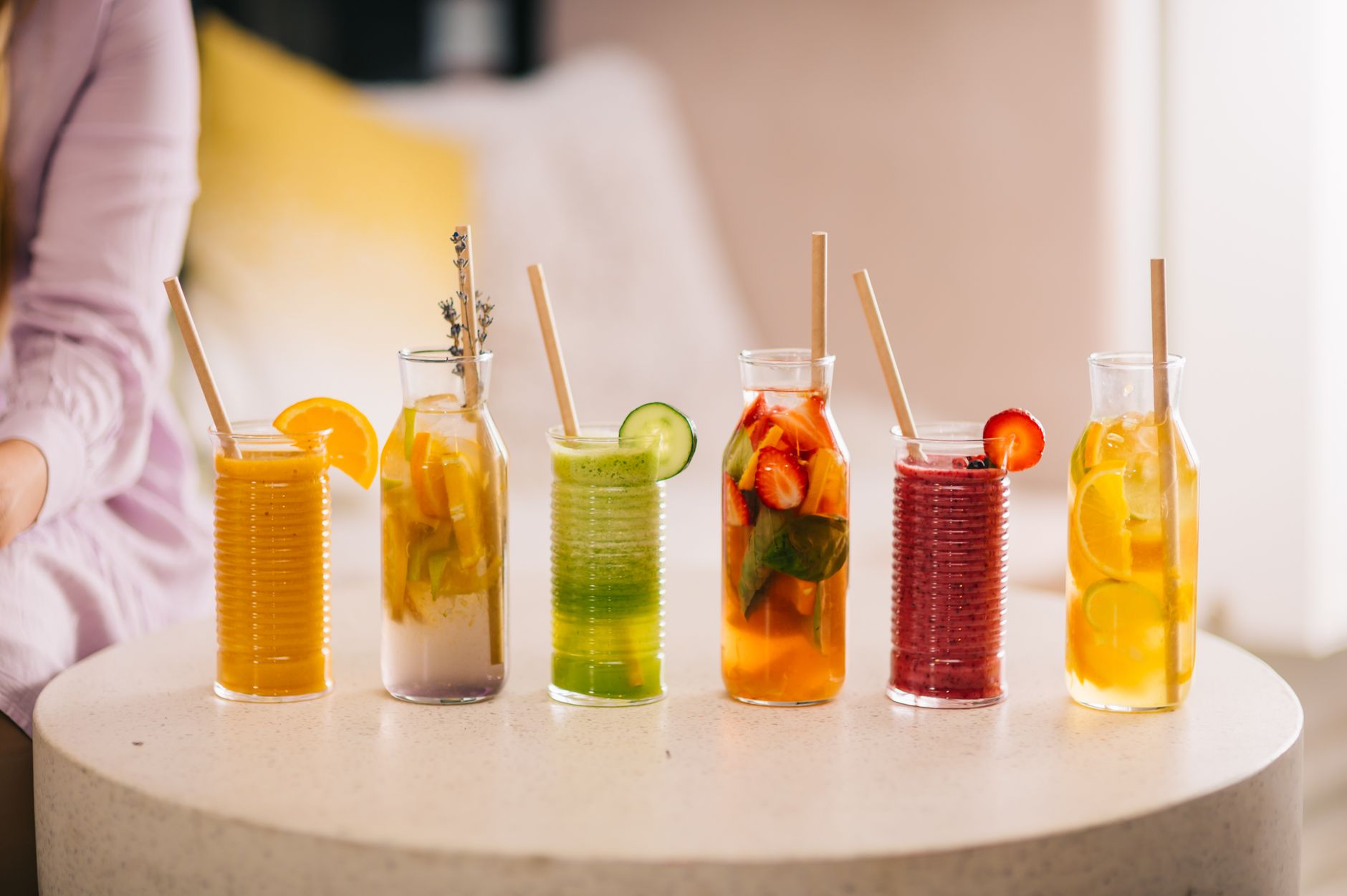
With the growing popularity of flavored water options, Mio Water Enhancer has become a favorite among those looking to enhance their hydration experience. However, questions about its safety and health implications are common. Are these enhancements just sugar-free benefits, or do they hide potential downsides?
This article will delve into the nutritional aspects of Mio Water Enhancer, its ingredients, how they affect health, serving sizes, and what to consider when using it as part of your diet. Let’s explore whether Mio is a good choice for you.
Is Mio Water Enhancer Bad for You?
Mio Water Enhancer can be a safe and low-calorie way to flavor water, making it more appealing for those who struggle to stay hydrated. However, the concern lies in its ingredients, particularly artificial sweeteners, preservatives, and other additives. While moderate use is typically safe, overconsumption or sensitivities could lead to health issues.
Nutritional Overview of Mio Water Enhancer
Mio Water Enhancer is designed to provide a burst of flavor to still or sparkling water without adding significant calories. Here’s a closer look at its nutritional profile.
Key Ingredients
- Water: The primary ingredient in any drink.
- Citric Acid: Often used as a flavoring and preservative, it can add a tangy taste.
- Artificial Sweeteners: Commonly sucralose or aspartame, these provide sweetness without calories.
- Natural and Artificial Flavors: These are used to create the various fruity profiles offered.
- Preservatives: Ingredients like potassium sorbate help prolong shelf life.
Caloric and Nutritional Content
A standard serving of Mio (which is typically concentrated, requiring only a small amount) contains no calories, zero grams of sugars, and minimal nutrients. This can be beneficial for those managing calories, but it also means that Mio doesn’t offer any nutritional value.
Potential Health Concerns
While Mio can assist with hydration and offers a calorie-free alternative to sugary drinks, there are several health concerns that merit consideration.
Artificial Sweeteners
The primary sweeteners used in Mio are artificial, such as sucralose and aspartame. Research on the health implications of these substances shows mixed results. Some individuals may experience:
- Digestive Issues: Some people may have difficulty digesting artificial sweeteners, potentially leading to bloating or gas.
- Headaches: Sensitivity to artificial sweeteners has been reported by some consumers.
- Metabolic Effects: Ongoing studies are examining how artificial sweeteners affect appetite and metabolism, with evolving conclusions.
Preservatives and Additives
While preservatives like potassium sorbate extend a product’s shelf life, they may not be suitable for everyone. Some individuals may prefer to avoid these additives based on lifestyle choices or food sensitivities.
Serving Sizes and Usage Recommendations
How much Mio Water Enhancer should you use? Understanding the recommended serving size is crucial for managing intake effectively.
Recommended Portioning
The typical recommendation is to use a small amount of Mio, understanding that it is a concentrated flavoring. A single serving often equates to about 1-2 squirts depending on the individual’s taste preference and desired intensity of flavor.
Hydration Balance
While Mio can improve the taste of water, it’s still essential to prioritize drinking plain water throughout the day. Balance flavored water with regular, unenhanced water to ensure adequate hydration without excessive ingredient intake.
Alternatives to Mio Water Enhancer
If you’re considering alternatives to Mio that may offer a more natural approach without artificial ingredients, there are several options available.
- Fresh Fruit: Slices of lemon, lime, orange, or berries can add flavor without additives.
- Herbs: Mint, basil, or rosemary can create an aromatic twist in your water.
- Flavored Sparkling Water: Brands that use natural flavors can provide a fizz without additives.
- DIY Infusions: Infusing water with fruits, veggies, or herbs overnight can create a refreshing drink without artificial ingredients.
Common Myths about Mio Water Enhancer
There are several misconceptions floating around about Mio and other flavored enhancers. Clearing these up can help consumers make informed choices.
Myth 1: Mio is Just Like Soda
While Mio provides sweetness, it doesn’t come with the calories or sugar of traditional sodas, making it a different alternative. However, it is still important to consider the artificial additives that may modify the overall health impact.
Myth 2: All Ingredients are Safe in Moderation
Although moderation is key, some individuals may have sensitivities to artificial ingredients or preservatives and should pay more attention to their personal tolerance levels.
Tips for Using Mio Water Enhancer
If you decide to incorporate Mio into your hydration routine, consider implementing these practical tips for optimized use:
- Start Slow: If you are new to Mio, begin with a minimal amount to gauge your palate and tolerance.
- Mix with Other Ingredients: Use Mio in smoothies or yogurt for an extra flavor kick.
- Pace Your Intake: Avoid using Mio exclusively in your water intake; balance with natural options.
- Experiment with Recipes: Mio can be used creatively in DIY beverages or recipes, adding versatility to your culinary endeavors.
Storage and Shelf Life of Mio Water Enhancer
Understanding how to store Mio effectively can maintain its flavor and quality over time.
Storage Guidelines
- Keep it Sealed: Ensure the cap is tightly closed to prevent exposure to air and moisture.
- Store in a Cool Place: A pantry or cupboard is appropriate; avoid direct sunlight or excessive heat.
- Check Expiration Dates: Be aware of the product’s shelf life, typically printed on the packaging.
Conclusion
Mio Water Enhancer can be an enjoyable way to enhance hydration without added calories, making it appealing for those managing their sugar intake. However, it’s crucial to consider the potential health implications of artificial ingredients and to maintain a balanced approach to beverage consumption. For those looking to explore hydration options, consider natural alternatives like infused water or herbal additions.
If you’re assessing your hydration habits, exploring related tips about choosing the best bottled water to drink or learning how long cooked chicken lasts in storage may enhance your meal planning strategies. Enjoy discovering healthy and delightful beverages while maintaining your wellness goals.