
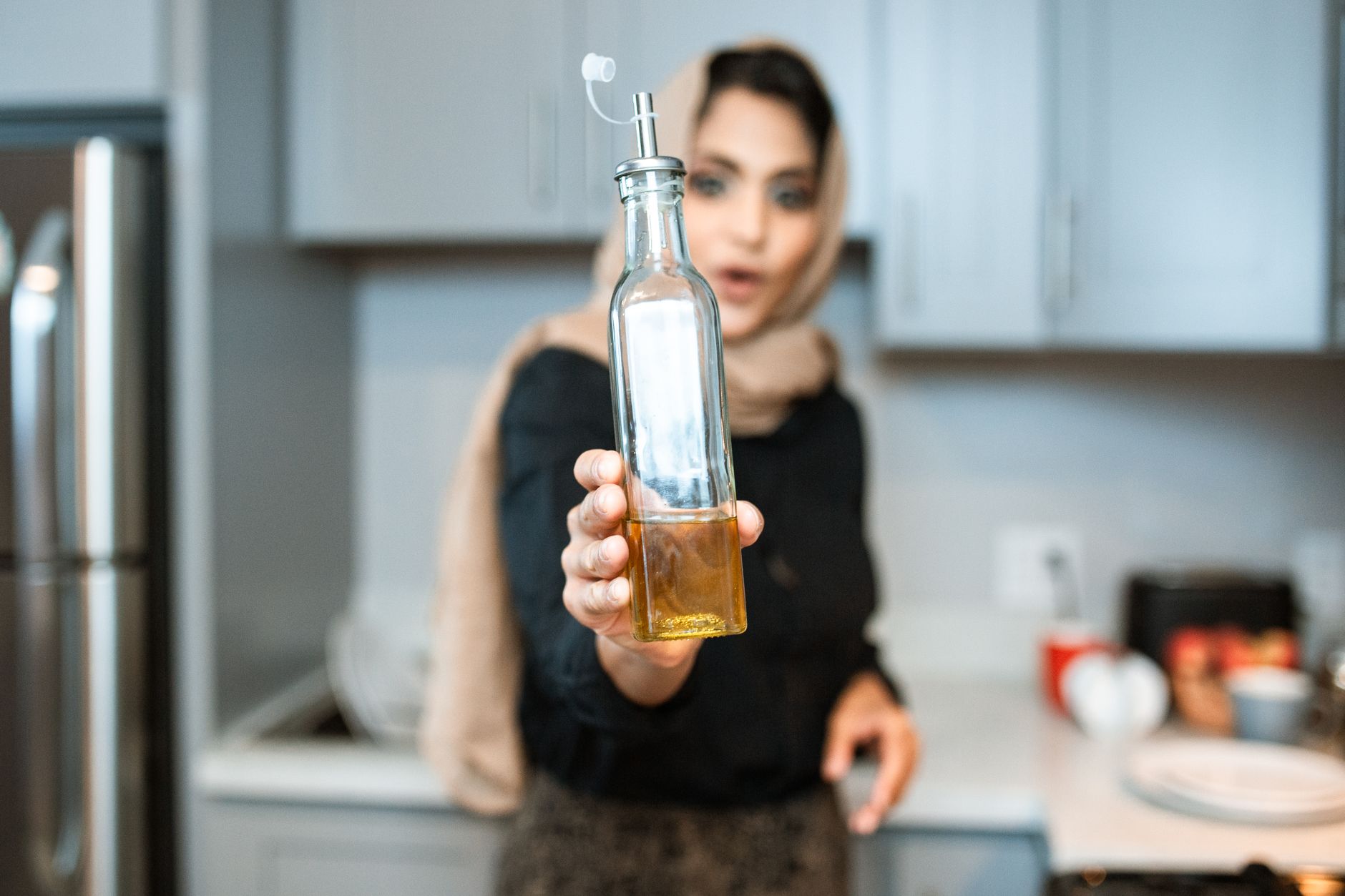
Mineral oil, a clear and odorless liquid made from petroleum, is commonly used in various applications, including as a lubricant, moisturizer, and even as a food-safe finish for wood kitchenware. However, with its origins in petroleum, many people question its safety for food use. In this article, we will unpack the safety of mineral oil for food, explore its various uses in culinary contexts, and discuss practical serving ideas.
To understand if mineral oil is food safe, it’s crucial to examine its composition, potential risks, and recommended usages. We’ll also look at alternatives and tips if you’re considering using mineral oil for your culinary tools or food storage solutions.
Is Mineral Oil Food Safe?
Yes, mineral oil is considered food safe when it meets specific purity standards. Food-grade mineral oil is highly refined, free from harmful impurities, and safe for consumption in small amounts. However, it’s always essential to use it appropriately and avoid overconsumption.
What is Mineral Oil?
Mineral oil is a lightweight, hydrophobic liquid derived from petroleum. It has been refined to remove harmful components, making it suitable for various applications, including cooking, skincare, and industrial uses.
Types of Mineral Oil
- Food-grade mineral oil: Safe for consumption, used in cooking and as a finishing treatment for wooden kitchen items.
- Industrial mineral oil: Not safe for food; contains additives and impurities that can be harmful.
Production and Purity Standards
Food-grade mineral oil must comply with specific regulations set by organizations such as the Food and Drug Administration (FDA) and the United States Pharmacopeia (USP). These standards ensure that the oil is purified, does not contain toxic substances, and can be safely ingested in small amounts.
Common Uses of Mineral Oil in Cooking
Food-grade mineral oil can be used in various ways in the kitchen, primarily for its sealing and lubricating properties. Here are some common culinary applications:
Wood Finishing
One of the most popular uses of mineral oil is as a finish for wooden kitchenware, such as cutting boards and wooden utensils. It is an effective sealant that protects wood from moisture penetration and helps prevent warping and cracking.
Preventing Stickiness
Mineral oil can be used to prevent stickiness in food preparation. For example, you can lightly coat measuring cups or mixing bowls before using sticky ingredients like honey or molasses to help them slide out easily.
Meat and Vegetable Preparation
In some culinary traditions, a minimal amount of mineral oil may be used on meats or vegetables as a cooking fat to assist with the cooking processes. However, this is not common and should only be done with food-grade oil and in suitable amounts.
Keeping Food Fresh
Mineral oil can serve as a protective barrier for certain foods, notably fried foods. A light coating can keep moisture in and air out, prolonging freshness. This practice should be used cautiously and sparingly, especially for delicate items.
Safety Considerations with Mineral Oil
Despite being deemed food safe when properly refined, certain precautions should be observed when using mineral oil in food contexts.
Ingestion Risks
While small amounts of food-grade mineral oil are safe, excessive consumption can lead to health issues such as gastrointestinal discomfort, diarrhea, or even more severe complications if aspirated into the lungs. Always use sparingly and only when necessary.
Allergies and Sensitivities
Some individuals may have sensitivities or allergic reactions to mineral oil. If you or someone you are cooking for has known allergies to petroleum products, it’s best to consult with a healthcare provider before using mineral oil.
Alternatives to Mineral Oil
If you have concerns about mineral oil or prefer to use alternative products in the kitchen, there are several options available:
- Coconut Oil: A natural and popular choice, coconut oil can be used for greasing pans and finishing wood, offering a pleasant aroma and taste.
- Olive Oil: Commonly used for cooking and food preparation, olive oil is a great alternative for finishing wood surfaces, particularly when looking for a flavorful option.
- Beeswax: Often used in combination with oils, beeswax can provide a protective coating on wooden items and is safe for food applications.
- Vegetable Oil: Like mineral oil, vegetable oils are suitable for preventing stickiness and can be used in frying or greasing pans.
Practical Tips for Using Mineral Oil in the Kitchen
If you decide to use mineral oil in your culinary practices, here are some helpful tips to keep in mind:
Maintenance of Wooden Kitchenware
- Clean the Surface: Before applying mineral oil to wooden items, ensure they are clean and dry.
- Application: Use a soft cloth to apply a thin, even layer of mineral oil. Avoid using too much oil as it can lead to a sticky residue.
- Drying Time: Allow the oil to absorb for several hours or overnight before using the item.
- Frequency: Repeat the application every few months or as needed, depending on usage.
Cooking with Mineral Oil
- Measuring: If using as a lubricant or preservative, apply a very small amount. A few drops are generally adequate.
- Avoid High Heat: Do not use mineral oil for high-heat cooking methods, as it can degrade and produce off-flavors.
Conclusion
Mineral oil can be safely used in food-related contexts as long as it is of food-grade quality and used correctly. Its most beneficial uses come in the form of wood treatment and maintaining kitchen utensils. While there are alternatives available, mineral oil remains a practical option for those who use it mindfully.
If you’re interested in exploring various cooking techniques, ingredient guides, or meal planning tips, there are many resources available to help elevate your culinary experience.