
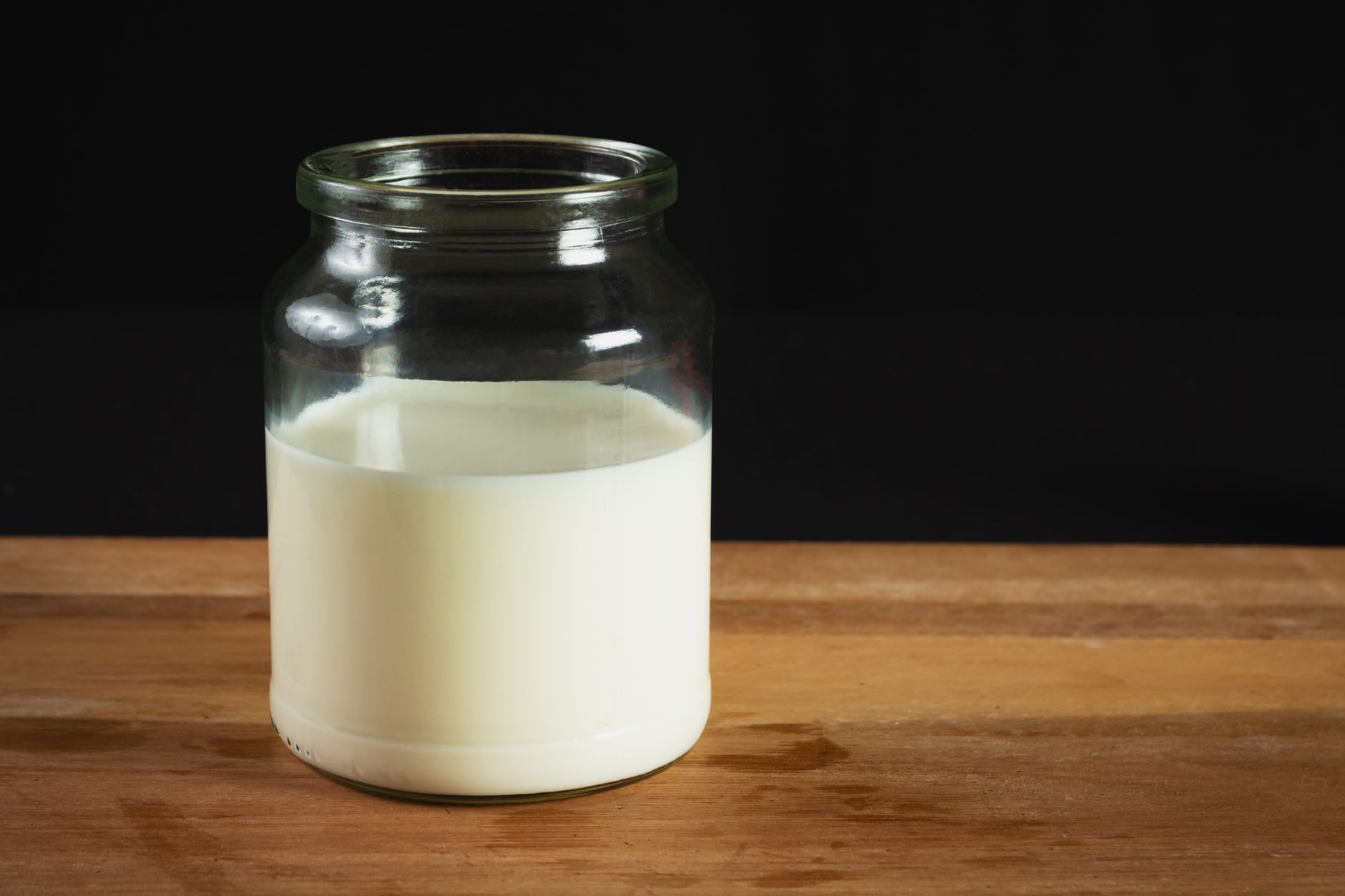
Understanding whether milk is acidic or basic can be crucial for various cooking techniques, ingredient substitutions, and dietary preferences. The pH level of milk not only affects its flavor and processing but also plays a significant role in how it interacts with other ingredients in recipes.
This article will explore the acidity and basicity of milk, delve into its culinary applications, suggest serving ideas, and provide a comprehensive guide to its uses in everyday cooking.
Is Milk Acidic or Basic?
Milk is slightly acidic, typically having a pH level ranging from 6.5 to 6.7. This range situates it just below neutral on the pH scale, which makes it mildly acidic. The source of milk, whether from cows, goats, or plant-based alternatives, can influence its pH level and subsequent culinary applications.
Knowing the acidity of milk is essential for various reasons, such as balancing recipes, understanding food pairings, and making informed choices for those with dietary restrictions. Let’s delve deeper into milk’s properties and uses.
Culinary Uses of Milk
Milk is a versatile ingredient found in numerous recipes across various cuisines. Its creamy texture, mild flavor, and nutritional benefits make it indispensable. Here are some common culinary uses:
- Baking: Milk is often used in baked goods like cakes, muffins, and bread to provide moisture and tenderness.
- Cooking: It acts as a base for sauces, soups, and gravies, enhancing flavors and creating smooth textures.
- Dairy Products: Milk serves as a primary ingredient in yogurt, cheese, and ice cream production.
- Drinks: Milk is a key component in beverages such as coffee, hot chocolate, and smoothies.
- Substitutes: It can be substituted with plant-based milks in various recipes, broadening culinary options.
The Science of Milk’s pH
The pH level measures the acidity or alkalinity of a substance on a scale of 0 to 14. A pH of 7 is neutral, while values below 7 indicate acidity, and values above 7 indicate basicity. Milk’s slight acidity arises from lactic acid formed by lactic acid bacteria during fermentation.
This enzyme activity impacts not only the flavor but also the milk’s behavior when mixed with other ingredients. The acidity can enhance certain flavors, aid in leavening, and even affect the shelf life of dairy products.
Plant-Based Alternatives
While dairy milk is mildly acidic, many plant-based alternatives such as almond, soy, and oat milk vary in their pH levels. For example, almond milk tends to be more alkaline, while soy milk has a pH similar to cow’s milk. It is important to check the label for pH levels if you require compatibility with specific recipes or dietary needs.
- Almond Milk: Generally more alkaline, with a pH that can range from 7.0 to 8.0.
- Soy Milk: Often has a pH close to 7, making it versatile in both sweet and savory dishes.
- Oat Milk: Slightly acidic to neutral, varying by brand, typically around 6.5 to 7.0.
Recipe Considerations and Ingredient Pairings
Understanding the pH of milk can be particularly useful when developing recipes or creating complementary dishes. Here are several considerations when working with milk in your cooking:
Baking with Milk
When baking, the acidity of milk can activate baking soda. This can lead to a lighter, fluffier texture in baked goods. To optimize the leavening process, consider the following:
- Combine milk with an acidic ingredient such as vinegar or lemon juice to enhance the chemical reaction during baking.
- Use whole milk for richer textures, while low-fat milk can yield drier baked goods.
Cooking Sauces and Soups
In sauces, milk can act as a thickening agent. Its acidity can help break down proteins, making it ideal for creamy pasta sauces or cheese-based dips. Here are some tips:
- Heat milk gently; boiling can cause it to curdle.
- For cheese sauces, add milk gradually and whisk continuously for a smooth consistency.
Complementary Ingredients
The mild flavor of milk pairs well with a variety of ingredients:
- Sweeteners like sugar, honey, or maple syrup enhance its natural sweetness.
- Fruits, particularly berries and bananas, make great additions to milk in smoothies and desserts.
- Spices such as cinnamon or nutmeg create warming flavors in beverages like hot chocolate or spiced milk.
Common Cooking Techniques Involving Milk
There are several classic cooking techniques that prominently feature milk. Familiarizing yourself with these can enhance your culinary repertoire:
Scalding Milk
Scalding milk involves heating it to just below boiling. This technique is often used for:
- Activating yeast in baking recipes.
- Improving the texture and flavor of custards and sauces.
To scald milk, heat it in a saucepan over medium heat until bubbles form around the edges. Do not allow it to boil, as it may scorch.
Making Custards and Puddings
Custards and puddings require careful temperature control when using milk. Here’s how to make a basic custard:
- Combine milk, sugar, and vanillin in a saucepan and scald the mixture.
- In a separate bowl, whisk egg yolks.
- Gradually add scalded milk to the egg yolks while whisking to prevent curdling.
- Return the mixture to the saucepan on low heat, stirring constantly until thickened.
Whipping Milk
While you can’t whip milk the same way as cream, it can be aerated for a light texture. Use skim milk or evaporated milk for light whipped toppings. Here are the steps:
- Chill the mixing bowl and beaters in the fridge for about 15 minutes.
- Pour very cold milk into the bowl and mix on high speed until frothy.
Common Mistakes When Cooking with Milk
Despite its popularity, cooking with milk often leads to common pitfalls. Here are some mistakes to avoid:
- Boiling Milk: Allowing milk to boil can lead to curdling or scorching. Keep the heat medium-low and monitor closely.
- Adding Milk too Fast: When integrating milk into sauces or custards, adding it too quickly can create lumps. Gradually incorporate while whisking.
Storage and Shelf Life of Milk
Proper storage of milk is essential for maintaining its quality and safety. Here are some key points to remember:
- Keep milk refrigerated at or below 40°F (4°C) to delay spoilage.
- Always seal milk containers tightly to prevent absorption of other odors.
- Once opened, consume milk within 5 to 7 days for optimal freshness.
Frozen milk can be stored for up to 3 months, but it may separate upon thawing. Re-stirring can help restore its texture.
Serving Ideas for Milk
Milk’s versatility allows it to shine in numerous dishes and beverages. Here are some creative serving ideas:
- Smoothies: Blend milk with fruits, spinach, and yogurt for a nutritious breakfast or snack.
- Creamy Soups: Use milk as a base for soups like potato leek or spinach, adding richness and body.
- Milkshakes: Blend ice cream with milk for refreshing shakes, or use frozen fruits for a lighter version.
- Cheese Fondue: Combine milk and cheese for a smooth fondue, perfect for dipping vegetables or bread.
- Overnight Oats: Soak oats in milk overnight for a convenient breakfast option that is ready to go.
Dietary Considerations
People with lactose intolerance or allergies need to be cautious when consuming milk. Here are alternatives and adjustments:
- Lactose-Free Milk: This is a suitable option for those who are lactose intolerant, as it has the same taste and nutritional profile.
- Plant-Based Milks: Explore options like almond, oat, or coconut milk, but check labels for added sugars or preservatives.
Always monitor ingredient lists and pH levels when incorporating alternative options into your recipes to ensure compatibility.
Practical Substitutions for Milk
When you run out of milk or need to adapt a recipe, several substitutions can work in a pinch. Here are some reliable alternatives:
- Yogurt: Use an equal amount of yogurt, which will add creaminess but can increase tanginess.
- Water + Butter: Combine 1 cup of water with 1 tablespoon of melted butter to mimic milk’s richness.
- Coconut Milk: Substitute for dairy milk in creamy dishes, but be prepared for the distinct coconut flavor.
Conclusion
Knowing whether milk is acidic or basic is essential for harnessing its culinary potential. Its mild acidity, along with its versatility, enriches a wide array of dishes, from creamy sauces to delightful desserts. With the proper understanding of milk’s properties and applications, you can elevate your cooking and explore new recipes with confidence.
For more tips on using milk in recipes, consider checking out how to substitute milk for heavy cream in your cooking or try the chia pudding recipe using coconut milk for a plant-based option. Explore how these recipes can integrate into your meals creatively.