
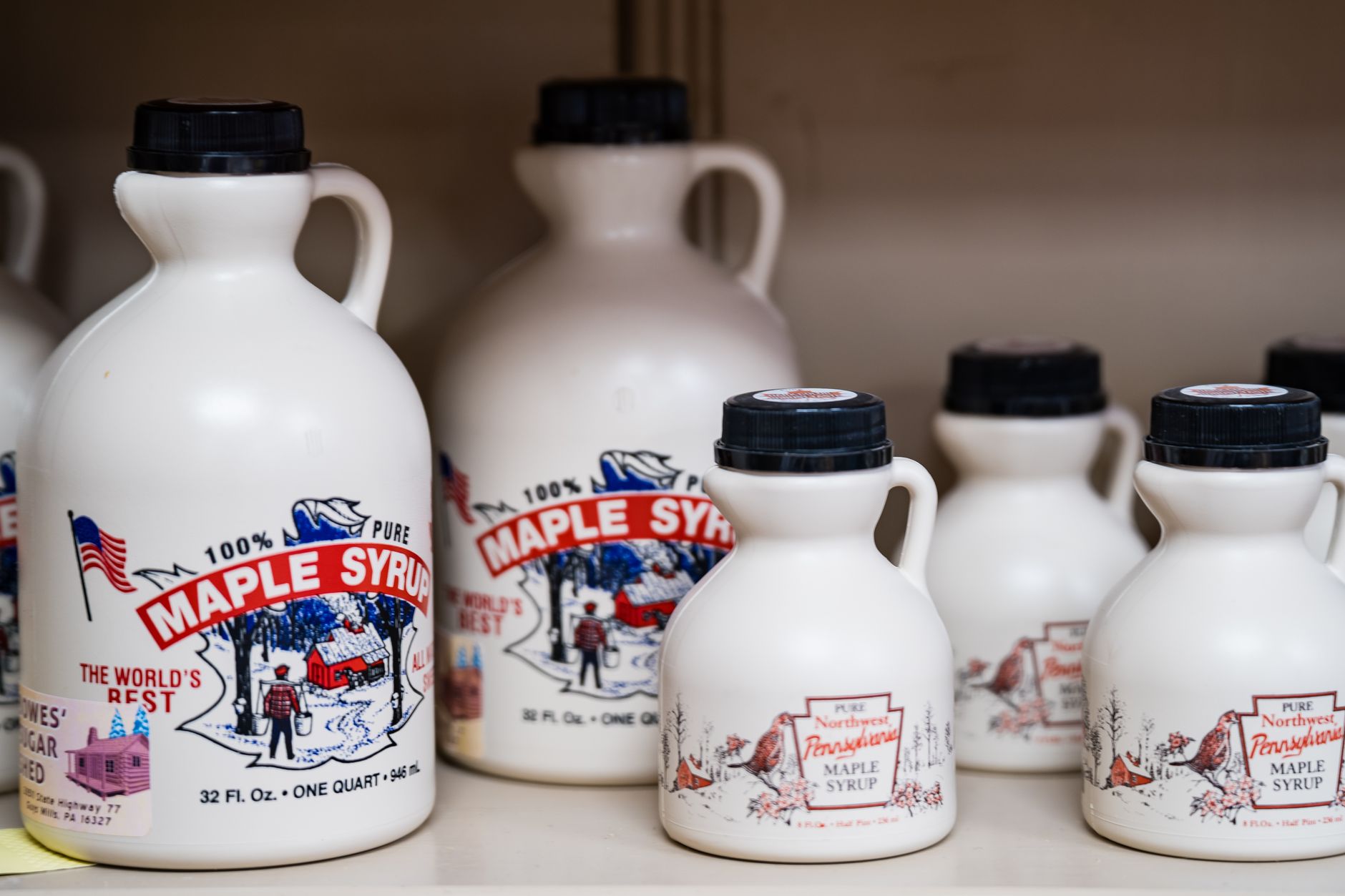
Maple syrup is a beloved natural sweetener cherished for its rich flavor and versatility in the kitchen. As more people seek healthier options for sweetening their foods, a crucial question arises: Is maple syrup healthy? This article will explore the nutrition facts of maple syrup, its potential health benefits, and considerations to keep in mind when incorporating it into your diet.
With its unique flavor profile, maple syrup is more than just a pancake topping. It’s used in a variety of culinary applications, from marinades and glazes to baked goods. Understanding whether it fits into a healthy lifestyle is essential for anyone looking to make informed food choices.
Is Maple Syrup Healthy?
Maple syrup can offer several health benefits when consumed in moderation. It contains essential nutrients, antioxidants, and fewer calories than refined sugars. However, due to its high sugar content, it should be consumed with caution as part of a balanced diet.
Nutritional Profile of Maple Syrup
Before determining how healthy maple syrup is, let’s break down its nutritional content. The exact values can vary based on the brand and processing method, but generally, one tablespoon (about 20 grams) of pure maple syrup contains:
- Calories: 52
- Total Carbohydrates: 13.4 g
- Sugars: 12 g (includes naturally occurring sugars)
- Protein: 0 g
- Fat: 0 g
- Calcium: 1% of the Daily Value (DV)
- Iron: 1% of the DV
- Potassium: 1% of the DV
- Manganese: 22% of the DV
- Zinc: 1% of the DV
- Antioxidants (varies according to processing)
Health Benefits of Maple Syrup
When considering whether maple syrup is healthy, it’s important to focus on the benefits it may offer:
1. Rich in Antioxidants
Maple syrup is known to contain antioxidants, which play a vital role in preventing cellular damage and reducing inflammation. These antioxidants may help combat oxidative stress in the body. The levels of beneficial compounds can vary in different grades of syrup, with darker syrups typically containing more antioxidants.
2. Nutrient Content
Unlike refined sugars, which offer empty calories, maple syrup provides essential nutrients. It includes minerals such as manganese, which is important for metabolism, and zinc, which supports the immune system. While not a substitute for vegetables and fruits, these vitamins and minerals can contribute to overall health.
3. Lower Glycemic Index
Maple syrup has a lower glycemic index (GI) compared to refined sugar. Foods with a lower GI are digested more slowly, leading to a gradual rise in blood sugar levels rather than a rapid spike. This slower absorption may help manage blood sugar levels effectively, making maple syrup a potentially better choice for sweetening than regular sugar.
Considerations When Consuming Maple Syrup
While there are health benefits associated with maple syrup, there are also considerations to keep in mind:
1. High Sugar Content
Maple syrup is primarily made up of sugars. Despite being natural, it should be consumed in moderation. Excessive sugar intake can lead to weight gain, contribute to dental issues, and increase the risk of chronic diseases, including type 2 diabetes and heart disease.
2. Caloric Density
One tablespoon contains around 52 calories, which can add up quickly, particularly if it is generously added to dishes. It’s essential to factor this caloric content into your daily energy intake to maintain a balanced diet.
3. Quality Matters
Not all maple syrup is created equal. Opt for 100% pure maple syrup rather than imitation syrups, which often contain high-fructose corn syrup and other artificial additives. Pure maple syrup offers the flavor and health benefits without the negative aspects of processed alternatives.
How to Use Maple Syrup in Your Diet
Incorporating maple syrup into your meals can be done thoughtfully and creatively. Here are several ways to use it:
1. As a Sweetener
Use maple syrup in place of granulated sugar in various recipes. It can enhance the flavors of baked goods, including cakes, cookies, and breads, adding moisture and a subtle caramel flavor.
2. In Breakfast Dishes
Maple syrup is synonymous with breakfast foods. Drizzle it on pancakes, waffles, or oatmeal. For a nutritious twist, mix it into smoothies for sweetness without the need for refined sugars.
3. Savory Dishes
Maple syrup can also be used in savory applications. Incorporate it into marinades for meats or use it to glaze roasted vegetables, providing a balance of sweet and savory flavors that can enhance any dish.
4. Salad Dressings
Create a homemade vinaigrette by blending maple syrup with olive oil, vinegar, and your choice of seasonings. This adds a unique taste to salads, making them more enjoyable.
5. In Beverages
Use maple syrup as a natural sweetener for drinks. Stir it into teas or coffee, or use it as a sweetener in homemade cocktails for a delicious twist.
Practical Substitutions and Variations
If you’re looking to substitute maple syrup in a recipe or find viable variations, consider the following:
- Honey: A natural sweetener that can often replace maple syrup in a 1:1 ratio. It has a distinct flavor but is also high in sugar.
- Aggave Nectar: Slightly sweeter than maple syrup, use this in a lesser quantity, about 3/4 of the amount if substituting.
- Brown Sugar Syrup: Mixing brown sugar with water can produce a similar consistency and flavor profile, though be mindful of sugar content.
- Coconut Sugar: Use in equal amounts for a slightly caramel flavor, but keep in mind its granulated form may not dissolve as easily.
Common Mistakes When Using Maple Syrup
While using maple syrup, there are common pitfalls to avoid:
- Overindulging: It can be easy to pour too much maple syrup, especially on breakfast items. Pay attention to serving sizes.
- Ignoring Quality: Selecting imitation syrup can diminish the taste and health benefits; always opt for pure maple syrup.
- Not Storing Properly: After opening, keep maple syrup refrigerated to prolong its shelf life and avoid spoilage.
Cooking with Maple Syrup: Tips and Techniques
Using maple syrup effectively in your cooking involves understanding its properties and how it behaves in various applications:
1. Adjusting Baking Recipes
When substituting maple syrup for sugar, consider reducing the liquid content in the recipe since syrup adds moisture. For every cup of sugar replaced, use 3/4 cup of maple syrup and reduce other liquids by about 3 tablespoons.
2. Using Maple Syrup in Marinades
To balance the sweetness, pair maple syrup with acidic elements like vinegar or citrus juice in marinades. This can enhance the flavor profile of grilled meats and vegetables.
3. Slow Cooking
In slow cooker recipes, adding maple syrup can enhance the flavor of soups, stews, and glazes. Just remember to add it later in the cooking process to retain its taste and nutritional benefits.
Storing Maple Syrup for Longevity
Proper storage of maple syrup can ensure its quality and extend its shelf life. Here are best practices:
- Keep unopened bottles in a cool, dark place, like a pantry.
- Once opened, refrigerate maple syrup to prevent spoilage. It can last for about a year when stored correctly.
- If you notice any mold forming, you can boil the syrup to remove it, or strain it through a coffee filter before refrigerating.
Conclusion
Maple syrup can be a healthy addition to your diet when enjoyed in moderation. Its natural sweetness combined with beneficial nutrients makes it a preferable alternative to refined sugars. With thoughtful use in various recipes—from breakfast to savory dishes—maple syrup can enhance flavor while offering some health benefits. Remember to choose 100% pure maple syrup, watch portion sizes, and enjoy it as part of a balanced lifestyle.
For more delightful recipes featuring sweeteners, check out our guides on maple syrup recipes and brown sugar syrup recipes.