
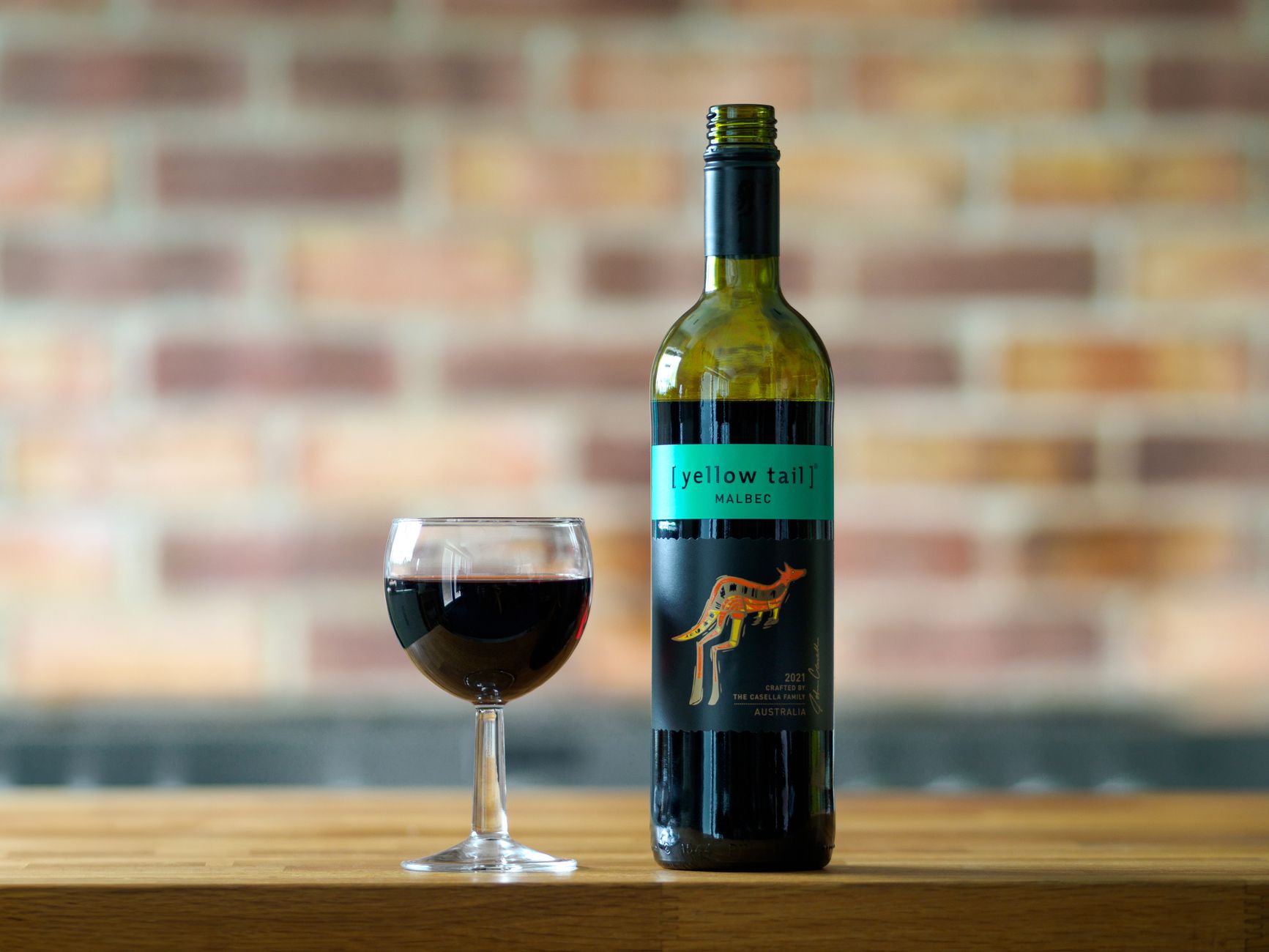
Malbec is a popular grape variety primarily known for producing red wine. This wine has seen a surge in popularity over recent years, especially due to its prominence in regions like Argentina. In this article, we will explore the characteristics of Malbec, its food pairings, serving suggestions, and a glimpse into its winemaking process.
Understanding whether Malbec is a red wine is just the beginning of appreciating its unique qualities. We will also delve into its flavor profiles, what makes it stand out from other red wines, and how best to enjoy it in various culinary settings.
Is Malbec a Red Wine?
Yes, Malbec is indeed a red wine. Known for its deep color, rich flavors, and velvety texture, it comes from the Malbec grape variety, primarily grown in regions like Argentina, France, and Chile. This variety tends to showcase a unique blend of fruity and earthy elements that appeal to a wide audience.
Characteristics of Malbec
The Malbec grape produces wines that are known for several distinctive characteristics. Here’s a detailed overview of what makes Malbec stand out:
- Color: Malbec wines are typically deep purple to inky black in color, making them visually striking.
- Aroma: Aromas often include black cherry, blackberry, plum, vanilla, and cocoa, accompanied by floral notes when young.
- Flavor: On the palate, expect flavors of ripe black fruits, such as blackberries and plums, as well as spice, chocolate, and sometimes a hint of tobacco.
- Tannins: Malbec wines tend to have medium to high tannins, contributing to a full-bodied mouthfeel.
- Acidity: Generally, they have moderate acidity that balances their richness.
- Alcohol Content: Malbec typically has a higher alcohol content than some other red wines, ranging from 13% to 15% ABV.
Regions Known for Malbec Production
While Malbec originated in France’s Bordeaux region, it has carved out a niche in several wine-producing areas around the world. Here are the key regions known for producing exceptional Malbec:
Argentina
Argentina is now synonymous with Malbec, particularly the Mendoza region. The high-altitude vineyards provide ideal conditions for growing Malbec, resulting in wines that are intense and fruit-forward.
France
In France, Malbec is often blended with other varietals in Bordeaux. However, it’s also produced as a single varietal in the Cahors region, where it’s traditionally darker and more tannic.
Chile
Chilean Malbec tends to be fruitier with softer tannins, making it approachable for a wide audience. This region has been gaining recognition for producing high-quality Malbec wines.
Food Pairings with Malbec
Malbec’s robust profile pairs beautifully with a variety of foods. The combination of fruitiness and depth allows for versatile pairing opportunities, making it a great addition to many meals. Here are some ideal food pairings:
Red Meat
The classic pairing for Malbec is red meat. Dishes such as grilled steaks, lamb chops, or beef brisket highlight the wine’s fruitiness and can complement the rich flavors of the meat.
Poultry
Grilled or roasted chicken, especially with robust seasonings, can work well with a medium-bodied Malbec. Consider dishes like chicken with mushroom sauce or barbecue chicken for optimal pairing.
Game Meats
Game meats like venison or duck can also pair spectacularly with Malbec. The wine’s earthiness complements the unique flavors of game species.
Spicy Dishes
Malbec’s boldness allows it to stand up against spicy dishes. Think along the lines of Mexican or Indian cuisine featuring rich spices, as the wine’s fruitiness can help mellow the heat.
Cheeses
Cheeses such as aged cheddar, gouda, and blue cheese can harmonize beautifully with Malbec. The saltiness and creaminess of these cheeses enhance the wine’s characteristics.
Serving Suggestions for Malbec
To fully appreciate the qualities of Malbec, proper serving techniques are essential.
Temperature
Malbec is best served slightly cooler than room temperature, typically around 60-65°F (15-18°C). This enhances its richness and allows its flavors to shine through.
Glassware
Choose a larger red wine glass to allow the wine to breathe. This glass style helps direct the aromas towards the nose, enriching the tasting experience.
Decanting
If you have a bottle of aged Malbec or a particularly robust young Malbec, consider decanting. Allow it to breathe for about 30 minutes to an hour before serving, which can soften the tannins and enhance flavor complexity.
The Winemaking Process of Malbec
Understanding how Malbec is made offers insight into its unique flavors and characteristics. Here are the key steps in the winemaking process:
Harvesting
Malbec grapes are harvested in the fall when they have reached optimal ripeness. This timing can differ based on the region and climate conditions.
Crushing and Pressing
The harvested grapes are crushed to release the juice, and the skins remain in contact with the juice during fermentation to impart color and tannins.
Fermentation
Fermentation typically occurs in stainless-steel tanks, although some winemakers prefer oak barrels for additional complexity. During this time, the sugars are converted into alcohol.
Aging
After fermentation, the wine is usually aged in oak barrels for anywhere from a few months to several years. This aging process enhances flavor and provides a smoother finish.
Bottling
Once the wine has reached the desired profile, it is filtered, and then bottled. Some Malbec wines may continue to mature in the bottle before they are released for sale.
Common Mistakes When Selecting Malbec
Choosing the right bottle of Malbec can be a daunting task for many. Here are some common mistakes to avoid:
- Ignoring the Region: Different regions produce Malbec with distinct profiles. Be aware of the region to understand the flavor you can expect.
- Overlooking Vintage: Vintage can have a significant impact on the wine’s taste. Researching a specific year can help determine the wine’s quality and characteristics.
- Not Considering Food Pairings: Some people may choose a Malbec without considering what they plan to serve. Familiarizing yourself with food pairings can enhance your overall dining experience.
How to Store Malbec Properly
Proper storage is crucial for maintaining the quality of Malbec wine. Here are some tips on how to store it effectively:
Temperature Control
Store Malbec at a consistent temperature, ideally between 55-60°F (13-15°C). Avoid fluctuating temperatures, as they can affect the wine negatively.
Humidity Level
A humidity level of around 70% is ideal. This prevents corks from drying out, which can lead to oxidation.
Light Exposure
Keep bottles away from direct sunlight, as UV light can degrade the wine’s quality. A dark storage area is perfect for long-term cellaring.
Positioning Bottles
Store bottles horizontally to keep the cork moist. This prevents air from entering the bottle and oxidizing the wine.
Conclusion
In summary, Malbec is a rich and versatile red wine that offers so much to those who enjoy it. Its unique flavors and characteristics make it a delightful choice for a variety of culinary experiences. To get the most out of a Malbec, consider its food pairings, serving temperature, and proper storage techniques.
If you’re looking to explore more about different wines, food pairings, or cooking techniques, delve deeper into practical cooking tips or ingredient guides on our blog.