
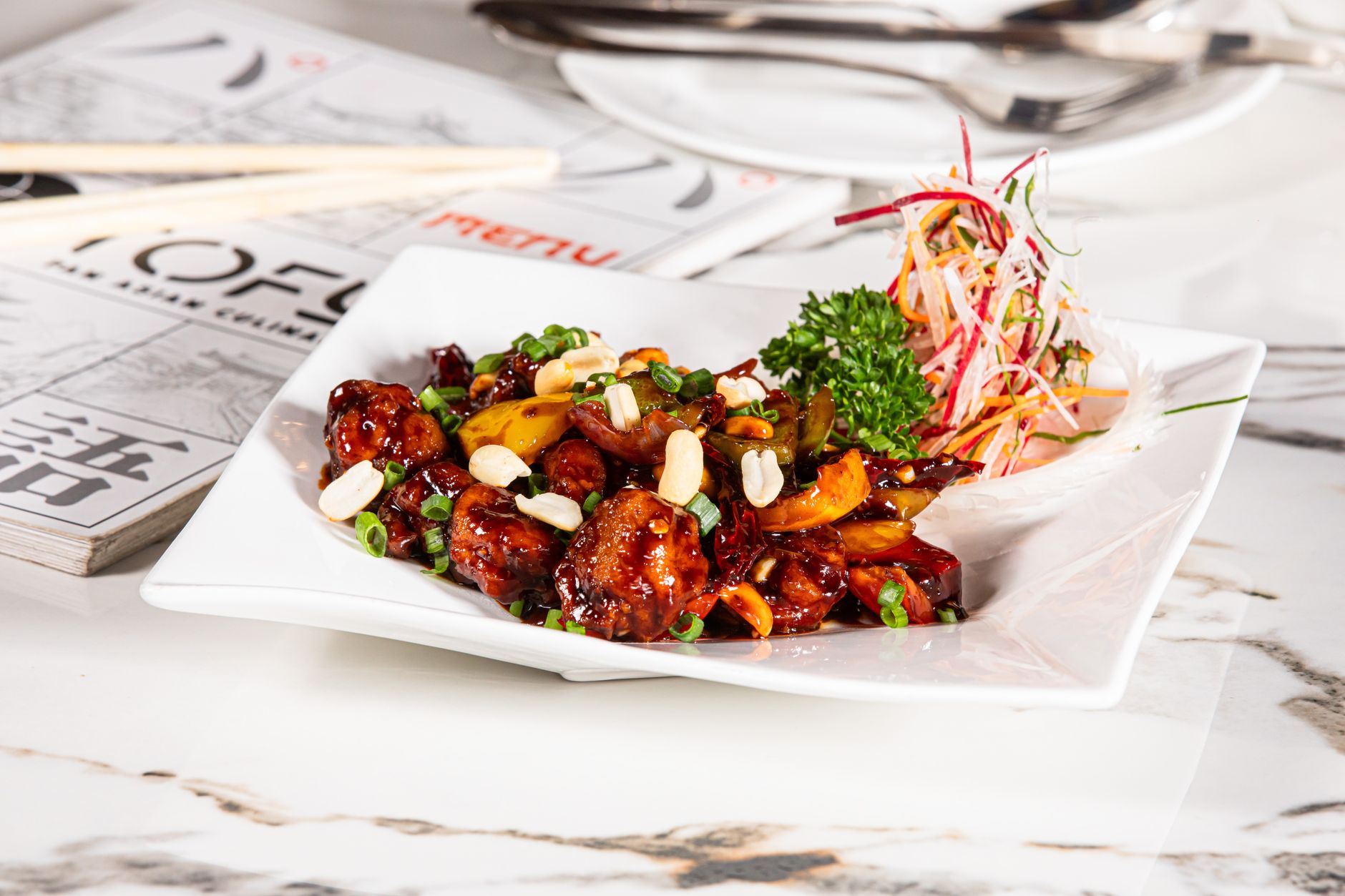
Kung Pao Chicken is a classic dish known for its vibrant flavors and satisfying texture. However, a common question arises among home cooks and food enthusiasts: Is Kung Pao Chicken breaded? This article will explore the characteristics of Kung Pao Chicken, its traditional preparation methods, and clarify whether breading is a component of this popular dish.
The answer lies deep within the culinary traditions of Chinese cuisine. Typically, Kung Pao Chicken is not a breaded dish; rather, it features stir-fried chicken that is marinated and cooked with vegetables, peanuts, and a flavorful sauce. Let’s delve deeper into the roots of this beloved dish, examine various preparation styles, and discuss its context within modern cooking.
What Is Kung Pao Chicken?
Originating from Sichuan Province in China, Kung Pao Chicken (or Gong Bao Ji Ding) is known for its bold, spicy, and slightly sweet flavors. The dish typically features diced chicken breast that is marinated, stir-fried, and tossed with peanuts or cashews, dried red chili peppers, and a unique sauce made from soy sauce, vinegar, and sesame oil.
Traditional Ingredients Overview
- Chicken: Chicken breast or thighs, diced into small pieces.
- Nuts: Traditionally, peanuts are used, but some variations may incorporate cashews.
- Vegetables: Bell peppers, scallions, and sometimes zucchini or snap peas.
- Spices: Dried red chilies, Sichuan peppercorns, and garlic add heat and depth of flavor.
- Sauce: A combination of soy sauce, rice vinegar, hoisin sauce, and sometimes sugar or cornstarch for thickening.
Preparation Techniques
Kung Pao Chicken is primarily prepared through stir-frying, which allows the ingredients to retain their texture and flavor. This technique involves cooking over high heat in a wok or skillet with a small amount of oil. The high temperature seals in juices and creates a delicious caramelization, especially on the chicken, without the need for breading.
Marinating the Chicken
Marinating the chicken is a crucial step that enhances flavor and tenderness. A typical marinade might include soy sauce, rice wine or sherry, and a pinch of cornstarch. The cornstarch not only flavors but also helps create a slightly crispy texture when the chicken is stir-fried without being deep-fried or breaded.
Stir-Frying Method
To properly execute stir-frying, follow these steps:
- Prepare all ingredients beforehand to ensure quick cooking.
- Heat oil in a wok over high heat until shimmering.
- Add marinated chicken to the wok and spread it out to ensure even cooking.
- Cook the chicken without stirring for 1-2 minutes, letting it sear, then toss to finish cooking.
- Once the chicken is nearly done, add vegetables, nuts, and the sauce, and stir-fry for an additional 2-3 minutes.
Is There a Breaded Version of Kung Pao Chicken?
While traditional Kung Pao Chicken is not breaded, food adaptations worldwide may lead to some variants that incorporate breading. These adaptations often aim to appeal to specific palates or culinary preferences. For instance, some recipes might coat the chicken in a light batter or breadcrumbs to achieve a crunchier texture, reminiscent of a deep-fried dish.
Breading can alter the flavor profile, introducing elements like seasoning from the breadcrumb mixture. However, these variations stray from the original intent of Kung Pao Chicken, which focuses on showcasing the freshness of the ingredients and their balance of flavors.
Common Mistakes When Making Kung Pao Chicken
- Overcooking the Chicken: This can result in a dry texture. Cook chicken just until done and tender.
- Wrong Oil Temperature: If the oil is not hot enough, the chicken stews instead of stir-fries. Ensure your wok or pan is adequately heated.
- Too Much Sauce: A common blunder is adding excess sauce, which can make the dish soggy. Balance is key.
- Forgetting the Nuts: Nuts add crucial texture and flavor; do not skip them!
Variations of Kung Pao Chicken
While the traditional dish remains a staple, several variations exist that adapt the recipe to different dietary preferences and culinary styles.
Vegetarian and Vegan Options
For those seeking a meat-free version, tofu can be substituted for chicken. The tofu should be firm and pressed to remove excess moisture. Marination is still advisable to ensure the dish retains its depth of flavor.
Low-Carb Versions
For a low-carb adaptation, consider using cauliflower rice instead of traditional rice. This way, you maintain the essence of the dish without the added carbohydrates.
{Other Varieties
Some recipes incorporate other protein sources such as shrimp or even duck. These variations cater to different tastes and make the dish versatile for various occasions.
How to Serve Kung Pao Chicken
Kung Pao Chicken is typically served with steamed or fried rice. The rice acts as a canvas to soak up the flavorful sauce, providing a delightful contrast to the crispy chicken and vegetables. Additionally, it can be garnished with sliced green onions or sesame seeds for added texture and presentation.
Storage and Reheating Tips
If you have leftovers, Kung Pao Chicken can be stored in an airtight container in the refrigerator for up to three days. To reheat, use a skillet over medium heat, allowing the dish to warm through gently. This method helps retain the dish’s original texture rather than using a microwave, which can make the chicken rubbery.
Cooking Kung Pao Chicken at Home
Preparing Kung Pao Chicken at home can be both enjoyable and rewarding. With some straightforward ingredients and techniques, you’ll have a flavorful dish that can impress family and friends alike. Remember, while traditional recipes do not include breading, exploring your culinary preferences is part of the fun. Should you prefer added crunch through breading, feel free to experiment!
Conclusion
Kung Pao Chicken is a vibrant dish that showcases the essence of Chinese cuisine—bold flavors, quality ingredients, and a focus on cooking techniques that elevate its components without the need for breading. Whether sticking to tradition or trying out modern adaptations, this dish remains a beloved favorite around the globe. For a deep dive into the delectable sauce that defines Kung Pao Chicken, check out this Kung Pao Sauce Recipe.
If you’re looking to expand your culinary repertoire, explore more recipes and cooking tips for a variety of delightful dishes!