
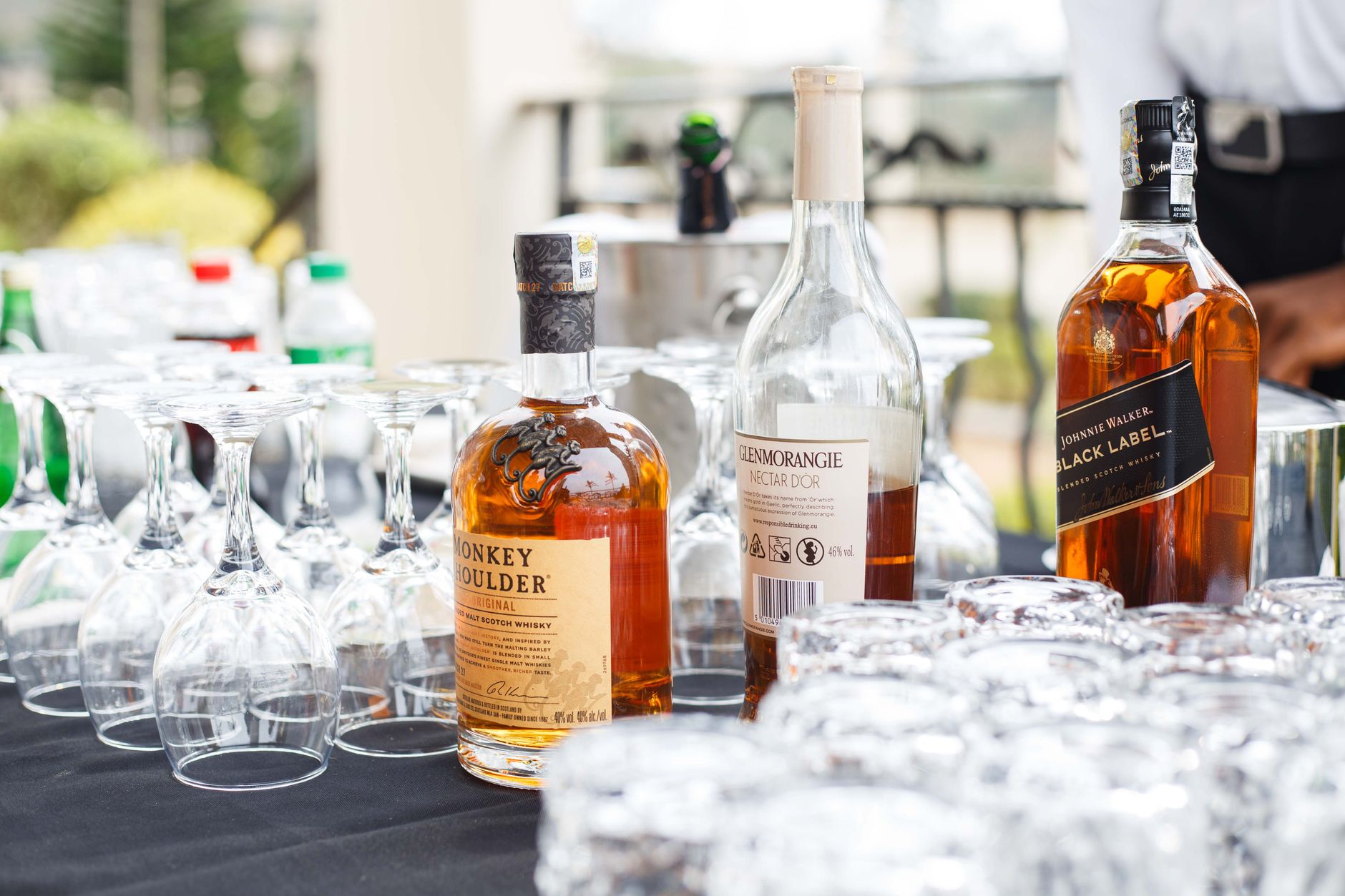
Johnnie Walker is a well-known brand of whiskey that has garnered an impressive reputation worldwide. Offering a range of blends recognized for their richness and complexity, it invites whiskey lovers of all stripes to explore its various expressions. But is Johnnie Walker just whiskey? This article delves into the composition of Johnnie Walker, how it fits into the larger category of whiskeys, its unique characteristics, and how it can be used in culinary applications.
Whiskey, a distilled alcoholic beverage made from fermented grain mash, comes in many forms depending on the grain used, the distillation process, and its aging method. Johnnie Walker stands out not only as a brand but also as a symbol of quality and craftsmanship in whiskey-making. The brand encompasses various blends, each providing a different tasting experience.
What Is Johnnie Walker Whiskey?
Yes, Johnnie Walker is indeed a whiskey. Specifically, it is a blended Scotch whisky, a category that distinguishes it from other types of whiskey, such as bourbon and rye. Originating from Scotland, blended Scotch is created from a combination of malt and grain whiskies sourced from different distilleries. Johnnie Walker offers several variations, including Red Label, Black Label, Green Label, Gold Label Reserve, and Blue Label, each with distinct flavor profiles and alcohol content.
Understanding Whiskey Types
To appreciate Johnnie Walker fully, one must understand the broader spectrum of whiskeys. Let’s clarify the different types:
- Scotch Whisky: Made predominantly in Scotland, using malted barley or grain. It must be aged in oak barrels for a minimum of three years.
- Bourbon: An American whiskey primarily made from corn (at least 51%) and aged in new charred oak barrels.
- Irish Whiskey: Typically made from a mix of malted and unmalted barley, this whiskey is triple distilled, resulting in a smoother finish.
- Rye Whiskey: This whiskey must contain at least 51% rye. It is known for its spicy taste and is produced both in the U.S. and Canada.
The Composition of Johnnie Walker Whiskey
Johnnie Walker whiskies are distinct primarily because of their blended character. Blending involves a master blender curating flavors from different malt and grain whiskies, allowing for a consistent product profile across bottles.
Components of Blended Scotch
When producing blended Scotch like Johnnie Walker, the following components are typically involved:
- Malt Whisky: Made from 100% malted barley, it typically offers a sweeter, more sophisticated flavor profile. The distilleries involved in crafting Johnnie Walker’s malt whisky include some of the most renowned in Scotland.
- Grain Whisky: Often made from a mixture of grains, mainly maize or wheat. It is usually lighter in flavor and is used to balance the richness of the malt whisky.
Johnnie Walker Expressions
The different expressions of Johnnie Walker each provide unique flavor experiences. Here’s an overview:
Johnnie Walker Red Label
Johnnie Walker Red Label is the entry-level blend, known for its bold and rebellious flavors. It is often used in cocktails and is perfect for mixing due to its robust character.
Johnnie Walker Black Label
The Black Label is a step up from the Red, offering a smoother, more refined taste with notes of dark fruits, smoke, and spices. It is suitable for sipping neat or on the rocks, as well as in cocktails.
Johnnie Walker Green Label
Green Label is a blended malt whisky, meaning it only contains malt whiskies from different distilleries, without any grain whisky inclusion. This lends itself to a complex flavor profile, characterized by a blend of rich, vibrant flavors.
Johnnie Walker Gold Label Reserve
This variant offers a luxurious experience with layers of creamy vanilla, fruit, and a subtle smokiness. It is great for special occasions and pairs wonderfully with various dishes.
Johnnie Walker Blue Label
The pinnacle of the Johnnie Walker range, Blue Label offers an unparalleled taste experience. It features the richest and rarest whiskies, resulting in deep, nuanced flavors that are best enjoyed slowly.
Culinary Uses of Johnnie Walker Whiskey
Beyond sipping neat or in a cocktail, Johnnie Walker can elevate your culinary endeavors. The distinct flavors of its various expressions can enhance both savory and sweet dishes:
Cooking with Johnnie Walker
Each expression can be utilized differently in cooking:
Marinades and Sauces
Johnnie Walker can be incorporated into marinades for meats such as beef or pork to add depth. The smokiness of Black Label or the sweet notes of Gold Label, for example, can create a fantastic balance in barbecue sauces. Here’s a simple marinade recipe using Johnnie Walker:
Johnnie Walker Marinade for Grilled Meat
- 1/2 cup Johnnie Walker (choose based on your flavor preference)
- 1/4 cup soy sauce
- 2 tablespoons brown sugar
- 1 tablespoon Dijon mustard
- 2 cloves garlic, minced
- Combine all ingredients in a bowl and whisk until the sugar is dissolved.
- Pour the marinade over the meat and let it marinate for at least 1 hour, or overnight for deeper flavor.
Soups and Stews
Adding a splash of Johnnie Walker can elevate the flavor profile of soups and stews. A few tablespoons of Red Label can add a kick to meat-based stews while enhancing the umami of vegetable soups.
Desserts
Johnnie Walker can also work its magic in desserts. It can be added to batters for cakes or incorporated into sauces for desserts like bread pudding or chocolate ganache. Consider using Green Label to make a whiskey-infused chocolate sauce:
- 1 cup heavy cream
- 8 ounces dark chocolate, chopped
- 1/4 cup Johnnie Walker Green Label
- Heat the cream in a saucepan until it just begins to simmer.
- Remove from heat and add the chopped chocolate, stirring until melted and smooth.
- Stir in the whiskey until blended.
Pairing Johnnie Walker with Food
Pairing Johnnie Walker with various foods can enhance both the meal and the whiskey experience. Here are some recommendations:
- Johnnie Walker Red Label: Ideal with spicy Asian dishes or barbecue, where its boldness can hold its own against strong flavors.
- Johnnie Walker Black Label: Excellent with rich cheeses, dark chocolate desserts, or smoked meats.
- Johnnie Walker Green Label: Pairs well with grilled seafood, roasted vegetables, or a charcuterie board.
- Johnnie Walker Gold Label: Complements gourmet fried chicken, grilled lobster, or vanilla-flavored desserts.
- Johnnie Walker Blue Label: Best enjoyed with luxurious foods, such as caviar, finest steaks, and decadent chocolate.
Common Mistakes When Using Johnnie Walker in Cooking
Using whiskey in cooking can bring fantastic flavors, but there are some common pitfalls to avoid:
- Using Too Much: Whiskey packs a punch; too much can overpower dishes. Use it sparingly and taste as you go.
- Cooking at High Temperatures: Alcohol burns off quickly, particularly at high heat. Adding whiskey too late in the cooking process allows the flavor to shine through.
- Choosing the Wrong Type: Select an expression that matches the flavors you want to achieve. A smoky whiskey may overwhelm delicate dishes.
Storage and Shelf Life of Johnnie Walker Whiskey
Proper storage techniques can help maintain the quality of Johnnie Walker. Here are some tips:
- Store Upright: Unlike wines, whiskeys should be stored upright to prevent cork deterioration.
- Avoid Sunlight: Keep whiskey bottles in a cool, dark place to preserve their flavors and aromas.
- Tightly Sealed: Ensure bottles are tightly sealed to prevent oxidation, which can alter the whiskey’s taste.
Conclusion
Johnnie Walker is undoubtedly whiskey and a versatile one at that. Its range of expressions makes it suitable for sipping or cooking, enhancing both meals and beverages. Whether you’re preparing a decadent dessert or a hearty stew, Johnnie Walker can add depth and richness to a variety of dishes. So, the next time you’re in the kitchen or bar, consider reaching for Johnnie Walker to elevate your culinary creations.
Explore related recipes, cooking tips, or food guides such as the whiskey sour recipe or try the bourbon slush recipe for more delightful whiskey-infused drinks and dishes.