
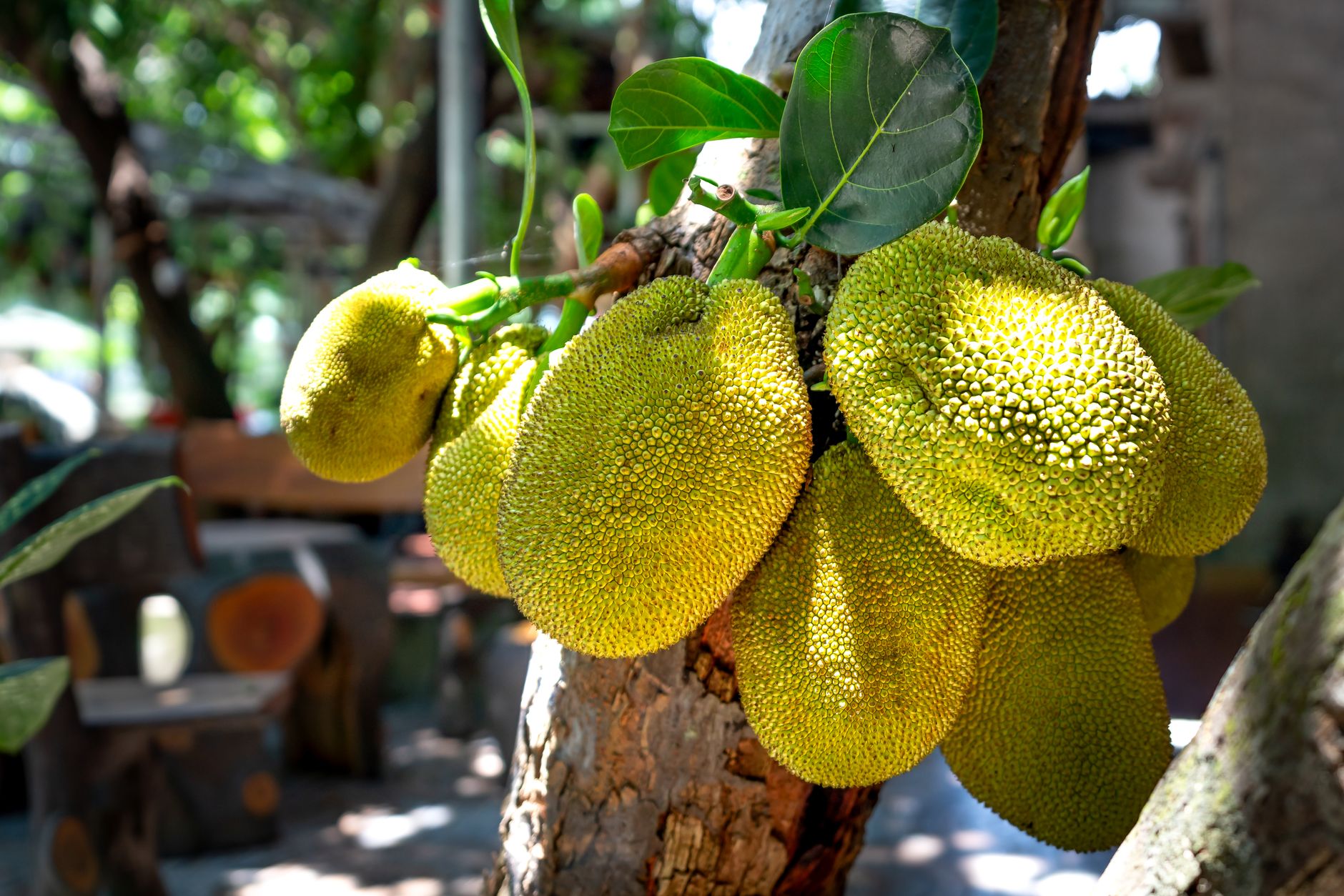
Jackfruit has gained popularity as a versatile ingredient and an alternative to meat, especially among vegans and vegetarians. Known for its unique texture and ability to absorb flavors, it is not only a culinary delight but also brings various nutritional benefits. This article will delve into the health aspects of jackfruit, including nutritional content, portion sizes, and considerations for those looking to include it in their diet.
Understanding whether jackfruit is healthy involves looking at its nutritional profile, potential health benefits, and how it can fit into various dietary preferences. We will also explore any considerations and precautions to keep in mind while enjoying this tropical fruit.
Is Jackfruit Healthy?
Yes, jackfruit is healthy when incorporated into a balanced diet. It is low in calories, rich in fiber, and provides essential vitamins and minerals. Its unique composition makes it suitable for various culinary applications, particularly in plant-based diets, supporting heart health and digestive wellness.
Nutritional Profile of Jackfruit
Jackfruit is not just a fascinating fruit in terms of its size and texture; it also boasts a noteworthy nutritional profile. Here’s a breakdown of its content per 100 grams of raw jackfruit:
- Calories: 95
- Carbohydrates: 23.25 g
- Protein: 1.72 g
- Fat: 0.64 g
- Fiber: 1.5 g
- Vitamin C: 13.84 mg (23% of the Daily Value)
- Potassium: 448 mg (13% of the Daily Value)
- Magnesium: 36 mg (9% of the Daily Value)
Health Benefits of Jackfruit
Incorporating jackfruit into your diet can offer several health benefits. Here are some key areas where jackfruit shines:
1. Rich in Nutrients
Jackfruit is packed with vitamins and minerals, particularly vitamin C, which supports the immune system, and potassium, which helps regulate blood pressure. Its high fiber content also aids digestion.
2. Low in Calories
With about 95 calories per 100 grams, jackfruit is a low-calorie fruit, making it excellent for those looking to manage their weight while still enjoying delicious flavors.
3. Plant-Based Protein Alternative
While not as high in protein as meat, jackfruit contains a modest amount of protein for a fruit. It is an excellent alternative for vegans and vegetarians, especially in savory dishes where it mimics the texture of pulled pork when cooked.
4. Antioxidant Properties
Jackfruit contains several antioxidants that help combat oxidative stress in the body. These compounds may help reduce inflammation and lower the risk of chronic diseases, such as heart disease.
5. Supports Digestive Health
The fiber in jackfruit assists in digestion by helping to regulate bowel movements and prevent constipation. A healthy digestive system is crucial for overall health and well-being.
Portion Control and Serving Suggestions
Incorporating jackfruit into your meals can be a delightful experience. However, portion control is essential for maximizing its benefits while maintaining a healthy diet. A typical serving size of jackfruit is about one cup, which is approximately 150 grams. This portion provides roughly:
- 143 calories
- 35 grams of carbohydrates
- 4 grams of protein
- 1 gram of fat
- 3 grams of fiber
Jackfruit can be enjoyed in various forms and dishes:
- Fresh: Cut into chunks and tossed into salads for a tropical touch.
- Cooked: Use young, unripe jackfruit as a meat substitute in tacos, sandwiches, or curries.
- Dried: Snack on dried jackfruit for a sweet, chewy treat.
- Juiced: Blend jackfruit with water or coconut milk for a refreshing drink.
How to Prepare Jackfruit
While fresh jackfruit may seem intimidating due to its large size, the process of preparing it is straightforward. Here’s how to approach it:
Choosing the Right Jackfruit
You’ll encounter two main varieties of jackfruit: ripe and unripe. Ripe jackfruit is sweeter and best for desserts, while unripe jackfruit is dense and savory, making it ideal for cooking.
Step-by-Step Preparation
- Gather your supplies: You’ll need a sharp knife, cutting board, and some oil (coconut oil is a good option, as it helps with the sticky sap).
- Oil your knife and hands: Jackfruit has a sticky sap that can be challenging to clean off, so oiling your utensils helps.
- Cut the fruit: Slice the jackfruit in half lengthwise and then into manageable sections.
- Remove the core: Carefully cut and discard the hard core from each piece. You can also separate the fruit pods.
- Prepare for cooking: If using unripe jackfruit, soak the pieces in water or cook them in seasoned broth.
Common Mistakes When Cooking with Jackfruit
To maximize your jackfruit experience, keep these common pitfalls in mind:
- Neglecting Freshness: Always choose fresh, firm jackfruit with minimal blemishes.
- Overseasoning: Given its ability to absorb flavors, start with conservative seasoning and adjust as needed.
- Not Considering Texture: Make sure to prepare ripe and unripe jackfruit differently to achieve the desired texture in dishes.
Jackfruit Substitutions and Variations
If you find yourself in need of alternatives to jackfruit, several options can mimic its texture or flavor:
- Young Jackfruit: Use pulled mushrooms (like shiitake or oyster mushrooms) for a similar texture.
- Ripe Jackfruit: Substitute with mango or pineapple slices for desserts or sweet dishes.
- Pulled Pork Alternative: Shredded seitan or tempeh can also replicate the texture of jackfruit in savory dishes.
Considerations for Consuming Jackfruit
While jackfruit offers numerous health benefits, some considerations are essential for certain individuals:
1. Allergy Awareness
Though rare, some individuals may be allergic to jackfruit. If you have known allergies to figs, or mulberries, it’s wise to exercise caution when trying jackfruit for the first time.
2. Blood Sugar Levels
Jackfruit contains carbohydrates, which could affect blood sugar levels. Diabetics or those monitoring their carbohydrates should enjoy it in moderation and consider portion sizes.
3. Storage Considerations
Fresh jackfruit should be stored briefly at room temperature or refrigerated for a few days. Once cut, it’s best stored in the fridge and consumed within a couple of days for optimal freshness.
Simple Jackfruit Recipe Ideas
Incorporating jackfruit into meals can vary widely, from savory to sweet applications. Here are some recipe ideas to inspire you:
1. BBQ Pulled Jackfruit Sandwiches
Using unripe jackfruit, you can create a satisfying BBQ sandwich. Cook the jackfruit with your favorite BBQ sauce, shred it, and serve it on whole-grain buns with coleslaw.
2. Jackfruit Tacos
Season cooked jackfruit with lime, cumin, and chili powder. Serve it in taco shells with fresh cilantro, sliced avocado, and diced tomatoes for a vibrant meal.
3. Jackfruit Curry
For a comforting dish, cook unripe jackfruit in coconut milk with curry paste, vegetables, and spices. Serve it over rice for a hearty meal.
4. Jackfruit Smoothie Bowl
Blend ripe jackfruit with banana, almond milk, and a touch of honey. Top with granola, coconut flakes, and fresh fruits for a nourishing breakfast.
Storing Jackfruit
To keep jackfruit fresh:
- Store whole jackfruit in a cool, dark place for a few days.
- Cut jackfruit should be placed in an airtight container in the refrigerator and consumed within 3 days.
- For longer storage, consider freezing jackfruit. Blanching it before freezing can help maintain flavor and texture.
Conclusion
Jackfruit is not only a healthy fruit but also a versatile ingredient that can fit into various dietary lifestyles. Its unique nutritional composition, low-calorie count, and ability to adapt to different culinary styles make it a worthy addition to meals. Whether you’re using it in savory dishes or enjoying its sweet fruit, jackfruit has something for everyone.
For more ideas on healthy eating, check out our chocolate chia pudding recipe or learn if edamame is healthy for your diet. Explore these resources to expand your culinary skills and enjoy delicious, nutritious fare.