
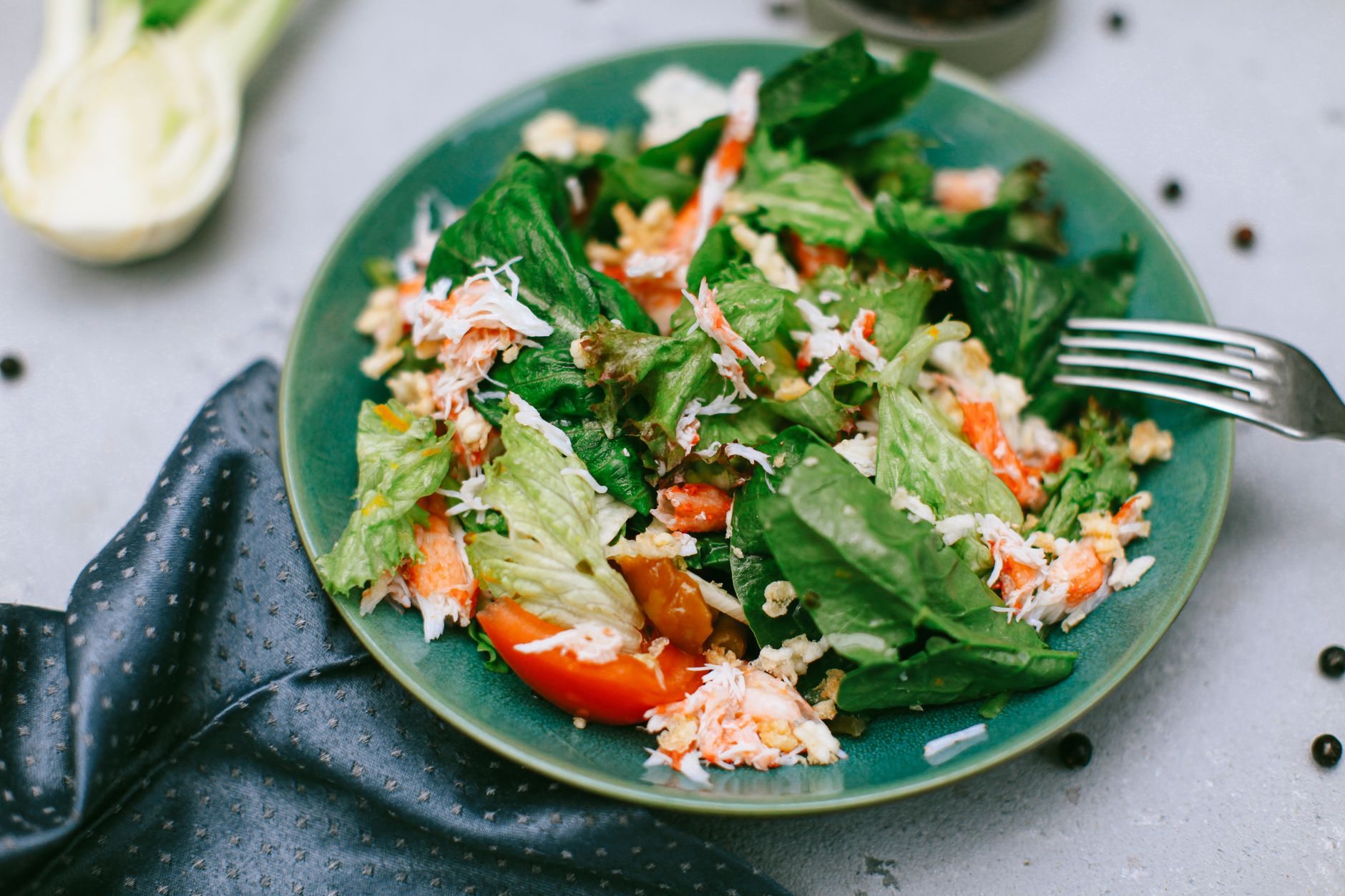
When it comes to seafood options, imitation crab, also known as surimi, is a popular choice. It’s often used in sushi, salads, and seafood dishes due to its affordability and versatility. However, for those with gluten sensitivities or celiac disease, a common question arises: Is imitation crab gluten free?
The answer isn’t straightforward as it depends on specific brands and ingredients used in the product. This article delves into the components of imitation crab, assesses its gluten content, and provides guidance for those with gluten-related dietary restrictions.
Is Imitation Crab Gluten Free?
Imitation crab can potentially be gluten free, but it is essential to check labels and ingredients thoroughly. Most brands specifically designed for imitation crab are made from fish and starch, which generally do not contain gluten. However, cross-contamination during manufacturing or the inclusion of gluten-containing ingredients can occur.
Understanding Imitation Crab
Imitation crab is primarily made from a product called surimi, which is made from fish—often pollock—that has been deboned, washed, and processed into a paste. This paste is then shaped and flavored to resemble crab meat. However, various additional ingredients can contribute to the final product, and these can vary widely between manufacturers.
Common Ingredients in Imitation Crab
- Surimi: The main ingredient, typically made from fish.
- Starch: Usually derived from potatoes or tapioca, serving as a binder.
- Egg Whites: Sometimes used for added texture and binding.
- Flavoring: Imitation crab typically includes flavoring agents that mimic crab flavor.
- Preservatives: Often added to increase shelf life.
- Coloring Agents: These may be included to achieve the desired appearance.
Potential Gluten Sources
Though most surimi products use gluten-free ingredients, it’s crucial to watch for these potential gluten sources:
- Wheat Starch: Some brands may use wheat-based starch instead of potato or tapioca starch.
- Cross-Contamination: Facilities that process both seafood and gluten-containing products may risk contamination.
- Flavorings and Fillers: These may sometimes contain gluten, especially if not explicitly labeled gluten-free.
How to Identify Gluten-Free Imitation Crab
To make informed choices, read labels carefully. Here are some steps to identify gluten-free imitation crab:
- Check the Ingredient List: Look for mentions of gluten-containing ingredients like wheat, barley, or rye.
- Look for Allergen Statements: Items may include disclaimers about potential cross-contamination with gluten products.
- Search for Gluten-Free Labels: Brands that adhere to gluten-free standards will often display this information prominently on the package.
- Contact the Manufacturer: If uncertain, reaching out to the company directly can provide clarity about any gluten risks.
Best Practices for Preparing Imitation Crab
For those who have confirmed their chosen imitation crab is gluten free, here are some best practices when preparing and serving it:
- Keep it Simple: Use minimal additional ingredients to avoid introducing gluten. Fresh vegetables and gluten-free sauces can enhance the flavor without risk.
- Use Separate Utensils: To prevent cross-contamination, use separate cutting boards and utensils, especially if preparing other gluten-containing foods.
- Proper Storage: Follow storage instructions on packaging to maintain freshness. Typically, keep unopened imitation crab cold and refrigerate after opening.
Popular Dishes That Use Imitation Crab
Imitation crab is incredibly versatile and can be used in a variety of dishes. Here are some popular options:
- Crab Salad: Mix imitation crab with mayonnaise, diced celery, green onions, and seasonings for a fresh salad.
- Sushi Rolls: Incorporate imitation crab into sushi rolls, paired with avocado and cucumber.
- Seafood Pasta: Toss imitation crab into a creamy pasta sauce with vegetables.
- Crab Cakes: Use imitation crab in crab cakes, combined with breadcrumbs (check for gluten-free options) and seasonings.
Alternatives to Imitation Crab
If you’re concerned about gluten or the sustainability of seafood, there are alternatives to consider:
- Real Crab Meat: While more expensive, real crab meat offers authentic flavor without gluten concerns.
- Plant-Based Alternatives: New products on the market mimic crab meat using plant ingredients. Check their labeling for gluten content.
- Other Seafood Products: Shrimp or scallops can be suitable substitutes in many recipes that traditionally use imitation crab.
Common Mistakes When Using Imitation Crab
While cooking with imitation crab, be mindful of these common mistakes:
- Cooking Too Long: Overcooking imitation crab can result in a rubbery texture. It’s best to heat it gently.
- Ignoring Labels: Always check the packaging, even if you’ve used a brand before. Formulations can change.
- Using Gluten Containing Ingredients: Check all accompanying ingredients, like sauces or seasonings, for gluten content.
Benefits of Choosing Imitation Crab
Choosing imitation crab can offer several benefits:
- Cost-Effective: It’s usually less expensive than fresh crab.
- Versatile: It can be used in a variety of dishes from salads to pastas.
- Accessible: Available in many grocery stores, making it easy to incorporate into meals.
Conclusion
Imitation crab can be a gluten-free option, but this depends greatly on the brand and specific formulation. Always check labels for wheat derivatives and potential cross-contamination. It remains a popular and versatile ingredient in numerous dishes, providing a seafood flavor without the higher price tag of real crab. For those enjoying meals free from gluten, imitation crab can serve as a delightful addition. Remember, understanding ingredients and being diligent about product selection is key to maintaining a gluten-free diet.
If you’re looking to explore more about gluten-free options, check out our articles on whether Basmati Rice is Gluten Free and if there’s Gluten in Potatoes. Happy cooking!