
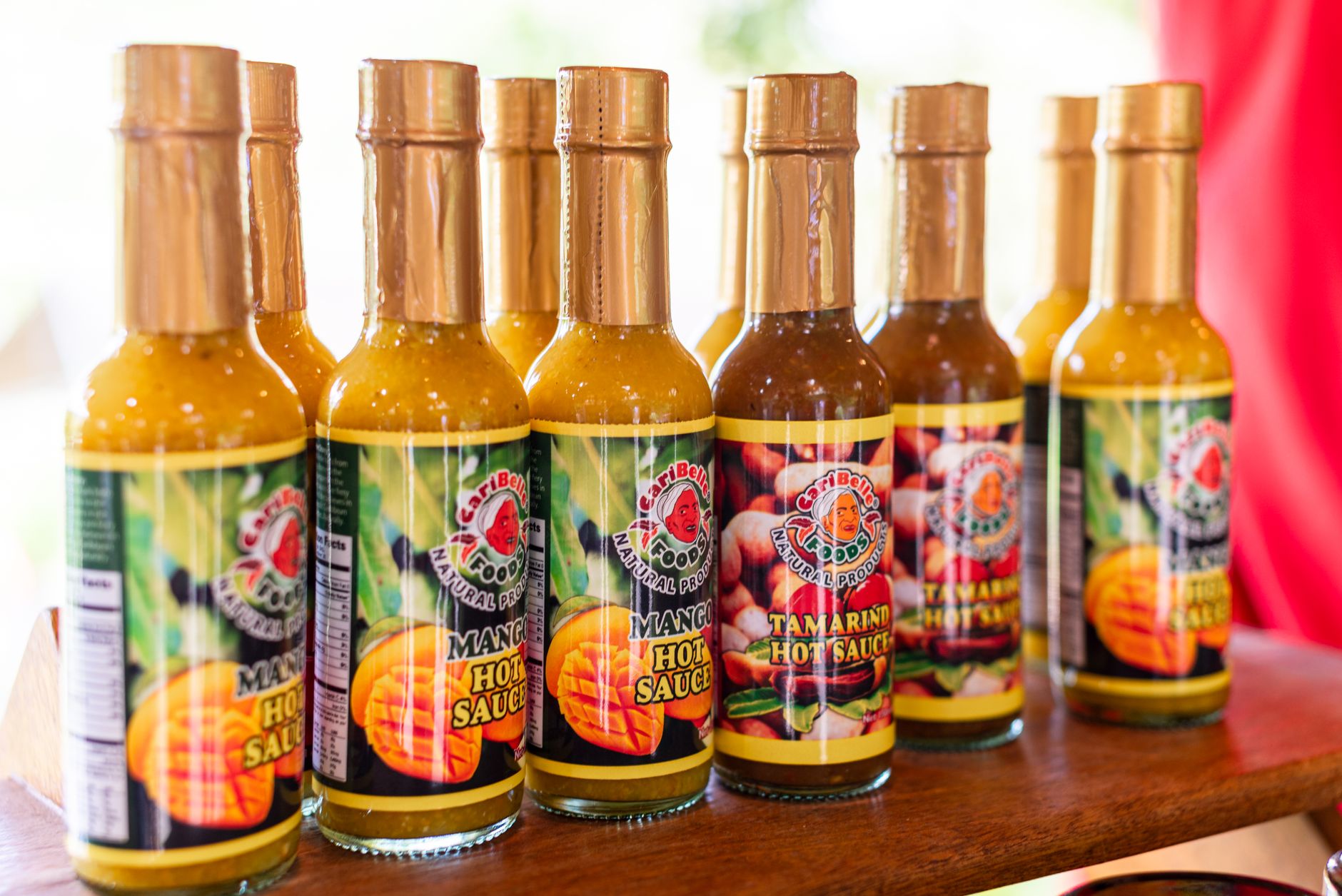
Hot sauce has become a beloved staple in many kitchens, adding fierce flavor and a delightful kick to a variety of dishes. However, for those following a low FODMAP diet, the question arises: Is hot sauce low FODMAP? Understanding the ingredients typically found in hot sauces is essential for those wanting to gauge whether it aligns with their dietary restrictions.
This article dives into the potential FODMAP content of hot sauce, explores serving sizes, and offers meal ideas that incorporate this zesty condiment without compromising your dietary needs. Whether you are a spice enthusiast or simply looking to add flavor to your food, knowing how to navigate hot sauce on a low FODMAP diet can enhance your cooking experience.
Is Hot Sauce Low FODMAP?
Most hot sauces can be considered low FODMAP, provided they are made from suitable ingredients. Common FODMAP triggers found in various sauces include garlic, onion, and certain sweeteners. When these ingredients are absent, hot sauce can typically fit within a low FODMAP framework.
Understanding FODMAPs
To determine if hot sauce is low FODMAP, it’s essential to grasp what FODMAPs are. FODMAP stands for Fermentable Oligosaccharides, Disaccharides, Monosaccharides, and Polyols. These carbohydrate types can cause digestive discomfort for some individuals, particularly those with irritable bowel syndrome (IBS). The low FODMAP diet was developed to identify and eliminate these troublesome carbohydrates to alleviate symptoms.
Common Ingredients in Hot Sauce
Hot sauce varies widely in its ingredients; however, most include the following basic elements:
- Chili peppers
- Vinegar
- Salt
- Additional spices and flavorings
- Sweeteners (sometimes)
- Garlic or onion (in some varieties)
Chili Peppers
Chili peppers are typically low FODMAP and are the primary ingredient responsible for the heat in hot sauce. They are also rich in vitamins A and C, making them a nutritious addition to meals.
Vinegar
Vinegar is a common ingredient in hot sauce and is generally considered low FODMAP. It adds acidity and depth of flavor, enhancing the overall profile of the sauce.
Salt
Salt is not a FODMAP and is universally used to enhance flavor.
Additional Spices and Flavorings
Many hot sauces contain spices such as cumin, black pepper, or paprika, which are low FODMAP. However, any added ingredients should be checked against low FODMAP guidelines.
Sweeteners
Some hot sauces include sweeteners, which can pose a risk depending on their type. While sugar and maple syrup are generally low FODMAP in small quantities, high FODMAP sweeteners like honey should be avoided. Be sure to read labels to identify acceptable sweeteners.
Garlic and Onion
Garlic and onion are high FODMAP ingredients that are often avoided in hot sauce recipes. However, many brands offer garlic- and onion-free options, so look for those if you want to enjoy hot sauce while following a low FODMAP diet.
Portion Sizes and Serving Suggestions
Even if a hot sauce is low FODMAP, portion size matters. FODMAPs can accumulate with larger quantities. Generally, a serving of hot sauce is about 1 tablespoon (15 milliliters). For those who are particularly sensitive, starting with a smaller amount and assessing how your body reacts might be prudent.
Meal Ideas Featuring Hot Sauce
Hot sauce can elevate a range of dishes, from proteins to vegetables. Here are some low FODMAP meal ideas that incorporate hot sauce:
Spicy Grilled Chicken
Marinate chicken breast in a mixture of hot sauce, olive oil, and lime juice. Grill until cooked through, serving with a side of roasted low FODMAP vegetables.
Eggs with Hot Sauce
Sprinkle hot sauce over scrambled eggs or a veggie omelet. Pair with a side of gluten-free toast for a satisfying breakfast.
Spiced Lentil Soup
Add a splash of hot sauce to a pot of simmering lentil soup before serving for an extra kick. Choose a recipe that uses low FODMAP vegetables like carrots and spinach.
Quinoa Bowl
Top a quinoa bowl with grilled chicken or tofu, roasted vegetables, and a drizzle of hot sauce for a nutritious and flavorful meal.
Fish Tacos
For fish tacos, use grilled low FODMAP fish, shredded cabbage, and a light dressing. Drizzle hot sauce over the top for a spicy flair.
Choosing the Right Hot Sauce
When selecting hot sauce, scrutinize the ingredient list. Look for sauces that are free from garlic, onion, and high FODMAP sweeteners. Brands like Tabasco and Sriracha may work, but it’s essential to check labels as formulations can vary.
Hot Sauce Recipes to Try
If you’re interested in making your own hot sauce, here’s a basic recipe that’s easy to adapt.
Homemade Hot Sauce Recipe
This simple recipe makes about 1 cup and takes approximately 15 minutes to prepare.
Ingredients
- 1 cup chili peppers (any variety you prefer)
- 1/2 cup distilled vinegar
- 1 teaspoon salt
- 1 tablespoon low FODMAP sweetener (optional)
Essential Equipment
- Food processor or blender
- Glass jar for storage
Method
- Wash the chili peppers, remove the stems, and chop them coarsely.
- In a food processor or blender, combine the chopped peppers, vinegar, salt, and sweetener if using.
- Blend until smooth, adjusting vinegar and salt to taste.
- Transfer the mixture to a clean glass jar and store it in the refrigerator. Consume within a week for the best freshness.
Common Mistakes and Troubleshooting
When it comes to enjoying hot sauce, there are some typical pitfalls to watch out for:
- Not checking labels: Always review ingredient lists when purchasing pre-made hot sauces.
- Overdoing the quantity: Remember that even low FODMAP foods can cause issues in large amounts.
- Ignoring personal tolerance: Each individual’s tolerance for spice and FODMAPs can vary. Introduce new flavors gradually.
Storage and Shelf Life
Homemade hot sauce can be stored in the refrigerator for about one week. If you find yourself with more hot sauce than you can consume in that timeframe, consider freezing it in ice cube trays for later use. Store-bought hot sauces typically last longer, but it’s always wise to check the expiration date indicated on the bottle.
Conclusion
In summary, hot sauce can indeed be a part of a low FODMAP diet, especially if made or chosen thoughtfully. The key is to be aware of the ingredients and portion sizes to ensure mindful consumption without triggering discomfort. So go ahead, spice up your meals with the vibrant flavors of hot sauce, and enjoy!
For those interested in more ways to spice up your cooking, check out our Nashville Hot Sauce Recipe and our Hot Honey Recipe for additional culinary inspiration!