
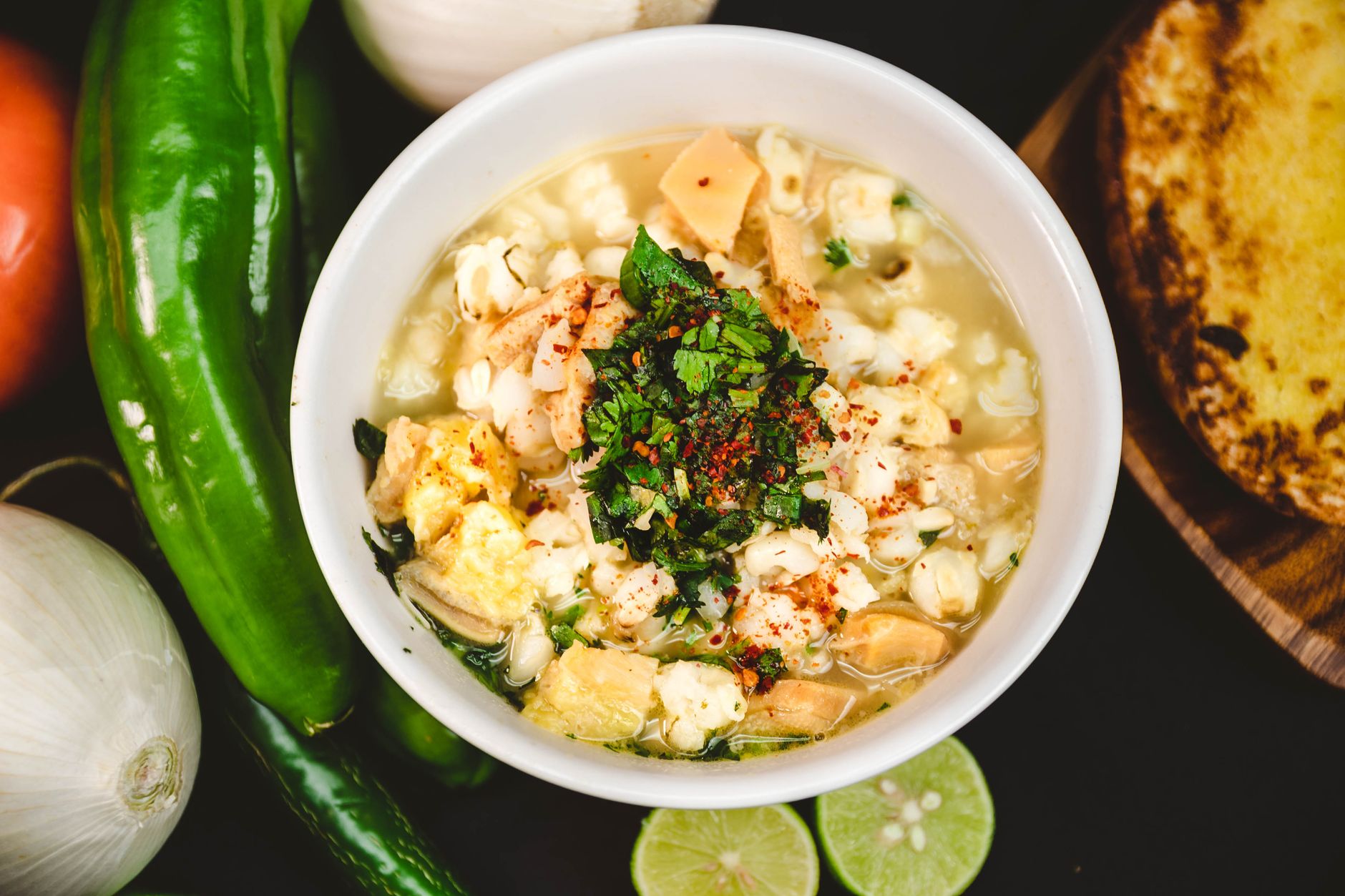
Hominy, made from dried corn kernels that have been treated with an alkali solution in a process called nixtamalization, is a staple in various cuisines, particularly in Mexico and the Southern United States. This ingredient is not only versatile but also comes with its own set of nutritional considerations. In this article, we will explore the health benefits, nutritional profile, and important considerations when including hominy in your diet.
Whether you’re looking to enhance your meals or curious about the nutritional aspects of hominy, understanding its health implications is essential. With deeper insight, you can make informed decisions about incorporating this ingredient into your meals.
Is Hominy Healthy?
The healthiness of hominy can depend on various factors including preparation methods and portion sizes. Hominy provides essential nutrients and can be part of a balanced diet. It is rich in carbohydrates and fiber, low in fat, and contains important vitamins and minerals. However, moderation is key to enjoying its health benefits without overindulging in calories.
Nutritional Profile of Hominy
Hominy’s nutritional content makes it a noteworthy ingredient. Here’s a breakdown of its typical nutritional profile per 100 grams of cooked hominy:
- Calories: Approximately 97
- Carbohydrates: 21 grams
- Protein: 3 grams
- Fat: 1 gram
- Fiber: 2 grams
- Vitamins and minerals: Rich in niacin, vitamin B6, magnesium, and potassium
Due to the nixtamalization process, hominy also offers enhanced absorption of nutrients, particularly niacin, which is crucial for energy metabolism and overall health.
Calories and Macronutrients
Hominy is primarily composed of carbohydrates and provides a good source of energy. The low-fat content accommodates various diet plans, and because it contains some protein and dietary fiber, it can help provide satiety. However, it’s essential to consider how it’s used in dishes; additional ingredients may increase the caloric content.
Vitamins and Minerals
Hominy delivers several nutrients that can contribute to overall health:
- Niacin (Vitamin B3): Aids in energy production and supports skin health.
- Magnesium: Important for muscle and nerve function, along with blood sugar regulation.
- Potassium: Necessary for maintaining healthy blood pressure and overall cardiovascular health.
- Iron: Essential for the formation of red blood cells.
Health Benefits of Hominy
While hominy might not be typically celebrated on health-oriented platforms, it possesses several benefits that can be advantageous in a varied diet. Here are some key health benefits:
1. Promotes Digestive Health
Hominy is a good source of dietary fiber, which can aid in digestion and help maintain a healthy gut. Fiber can contribute to regular bowel movements and support the growth of beneficial gut bacteria.
2. Provides Sustained Energy
With its high carbohydrate content, hominy can be an excellent source of quick energy. It can be particularly beneficial for athletes or those with active lifestyles, providing energy for workouts or daily tasks.
3. Gluten-Free Alternative
For individuals with gluten sensitivities or celiac disease, hominy offers a gluten-free grain option. It can serve as a substitute for traditional grains in various recipes without compromising texture or flavor.
4. Versatile Ingredient
Hominy can be used in a multitude of ways—added to soups, stews, salads, or made into hominy grits or masa for tortillas. This versatility allows for easy incorporation into a wide range of meals.
Portions and Serving Suggestions
Understanding portion sizes is crucial for enjoying hominy as a healthy addition to your diet. A standard serving size of hominy is about one cup (approximately 150 grams), which provides a balanced contribution to your daily nutrient intake.
Here are some serving suggestions:
- Combine cooked hominy with black beans, avocado, and salsa for a flavorful salad.
- Use hominy instead of rice as a base for stir-fries or grain bowls.
- Incorporate hominy into soups like pozole, which is a traditional Mexican dish.
- Prepare hominy grits as a warm breakfast option, topped with cheese or paired with eggs.
Considerations When Including Hominy in Your Diet
Despite its nutritional benefits, there are some considerations to keep in mind when including hominy in your meals.
1. Sodium Levels
If you opt for canned hominy, be aware that it can contain added sodium, which may not be suitable for those on low-sodium diets. Always check the label and rinse canned hominy under cold water to reduce sodium content.
2. Caloric Density
While hominy is relatively low in calories, the way it’s prepared can significantly alter its healthfulness. For instance, adding creams or excessive cheese can increase calorie content. Preparing it simply, with spices and herbs instead of heavy sauces, can help maintain its health benefits.
3. Allergies and Sensitivities
While hominy is gluten-free, people with corn allergies should avoid it. It’s essential to evaluate individual dietary restrictions when adding hominy to meals.
How to Cook with Hominy
Cooking with hominy is relatively straightforward, especially if you have the right information. Hominy can be found in various forms: dried, canned, or frozen. Here’s how to prepare each type:
Cooking Dried Hominy
- Rinse the dried hominy under cold water to remove any impurities.
- Soak the hominy overnight in water to soften it.
- After soaking, drain the water, add fresh water to a pot, and bring it to a boil.
- Reduce heat to a simmer and cook for 60 to 90 minutes until tender.
- Season as desired once cooked.
Using Canned Hominy
- Open the can and pour the hominy into a strainer to rinse and drain.
- Transfer the rinsed hominy to a pot.
- Add seasonings or other ingredients, and heat over medium heat for about 10-15 minutes until heated through.
- Serve as desired.
Other Cooking Methods
You can also roast hominy for added texture. To do this, dry canned hominy on a towel, season, and then toss in the oven at 400°F (200°C) for 30-40 minutes, stirring occasionally until crispy.
Hominy Recipes to Try
If you’re looking for inspiration on how to incorporate hominy into your meals, here are a few recipe ideas:
- Pozole: A traditional Mexican soup that is hearty and packed with flavor, made with hominy, meat (usually pork or chicken), and various toppings like radishes, cabbage, and lime.
- Hominy Grits: A Southern classic cooked with butter and cheese; serve with shrimp for a comforting meal.
- Hominy Salad: Toss cooled hominy with diced veggies, black beans, lime juice, and cilantro for a refreshing and satisfying salad.
Storage and Preservation of Hominy
When it comes to storing hominy, consider these tips:
Cooking Storage
Cooked hominy should be stored in an airtight container in the refrigerator. It’s best consumed within three to five days.
Dried Hominy Storage
Store dried hominy in a cool, dry place, preferably in a sealed container or bag to prevent moisture. It can last for years if kept properly.
Canned Hominy Storage
Unopened canned hominy can last several years on the shelf. Once opened, transfer any leftovers to a container and refrigerate, consuming within three to five days.
Final Thoughts on Including Hominy in Your Diet
Hominy is a nutritious and versatile ingredient that can enhance various dishes while providing beneficial nutrients. Including it in moderation can contribute positively to your diet, especially if you’re conscious of preparation methods and portion sizes. From soups to salads, there’s a multitude of ways to enjoy hominy.
With some creativity in the kitchen, you can explore the various flavors and textures that hominy can offer. Consider trying different recipes or adapting traditional dishes to incorporate this nutritious ingredient into your meals.
For more insights on the nutritional aspects of your favorite ingredients, consider checking out articles about the storage of cooked chicken and the benefits of chia seeds.