
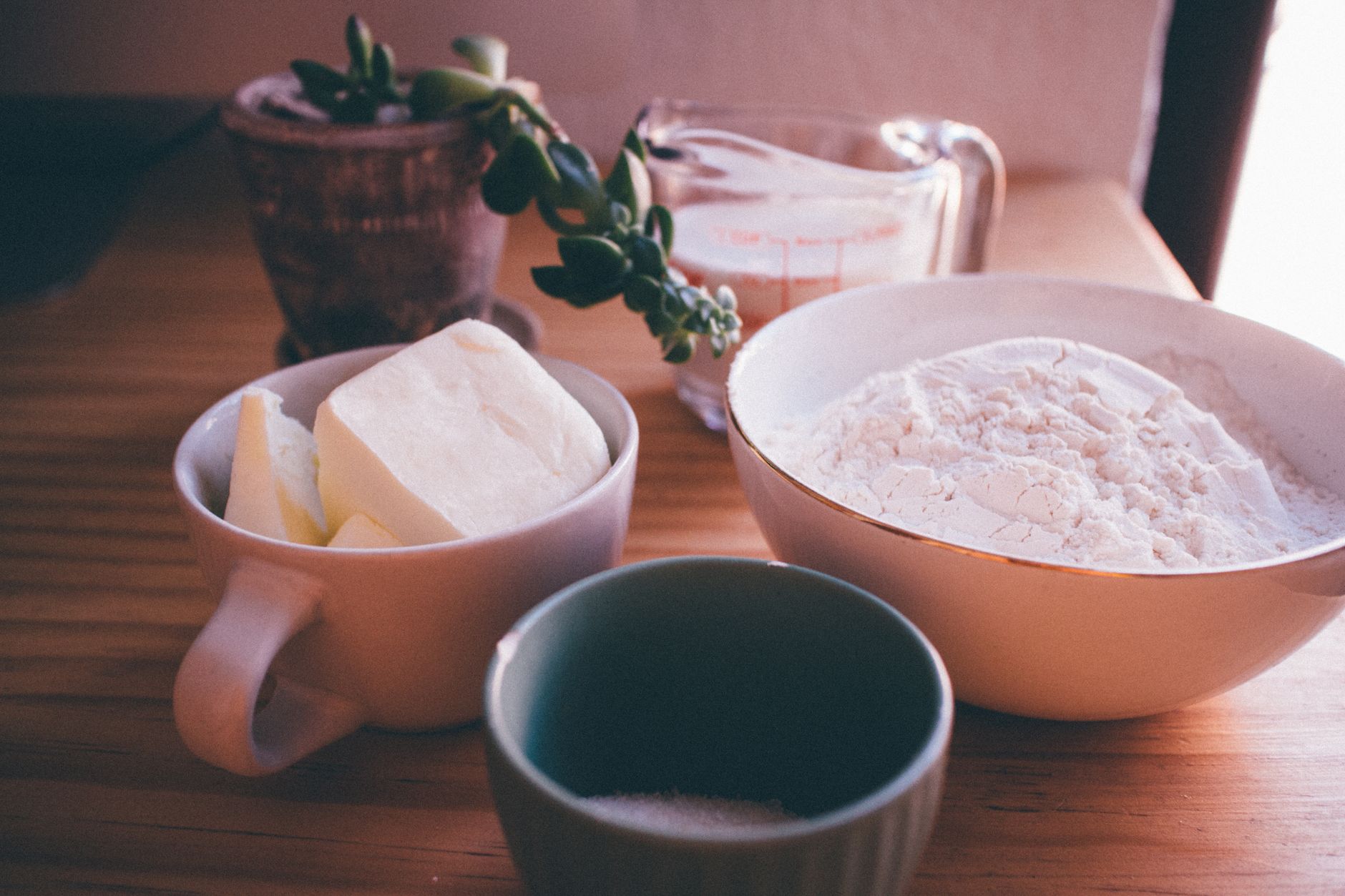
Butter is a staple ingredient in many kitchens, used in everything from baking to sautéing. For those wondering, “Is half a cup of butter one stick?” the answer is yes; in the United States, one standard stick of butter is equivalent to half a cup. Understanding this measurement can simplify recipes and enhance your cooking experience.
In this article, we will delve deeper into butter measurements, types, and practical uses, as well as tips on how to measure butter accurately, and the various ways to incorporate it into your cooking and baking. Let’s clarify all aspects of butter as an ingredient.
Is Half a Cup of Butter One Stick?
Yes, half a cup of butter is indeed equal to one stick. Butter typically comes in sticks that weigh 4 ounces each. Each stick is one half of a cup (8 tablespoons). This standardized measurement is particularly helpful when cooking, as it allows for precise measurements without the need for a specific scale.
Understanding Butter Measurements
Butter can be a bit confusing with its various forms and measurements, so let’s break it down to ensure you understand how to measure it correctly for your recipes.
Standard Butter Measurement
- 1 stick of butter = 1/2 cup = 8 tablespoons = 4 ounces
- 2 sticks of butter = 1 cup = 16 tablespoons = 8 ounces
- 1/4 cup of butter = 1/2 stick of butter = 4 tablespoons = 2 ounces
- 3/4 cup of butter = 1 1/2 sticks of butter = 12 tablespoons = 6 ounces
This standardization allows for easy conversions and helps avoid measurement mistakes. However, always check the packaging because some butters, especially those from different countries, may come in different sizes or forms.
Types of Butter
Understanding the different types of butter can also enhance your culinary experience. Each type has its unique characteristics, flavors, and best uses.
Salted Butter
Salted butter is the most common type you’ll find in grocery stores. It contains about 1.8% salt, which enhances its flavor and extends its shelf-life. This type is perfect for spreading on bread or for direct use in recipes that call for butter without needing any additional seasoning.
Unsalted Butter
Unsalted butter is preferred in baking, as it offers greater control over the salt content of your dish. Most baking recipes will specify unsalted butter. Its fresher flavor also helps highlight the other ingredients in baked goods.
European Butter
European-style butters have a higher fat content (around 82% to 85%) compared to the standard American butter at 80%. This leads to a creamier texture and richer flavor, making it an excellent choice for pastries and rich culinary applications.
Clarified Butter and Ghee
Clarified butter is butter that has been melted and strained to remove the milk solids and water, leaving behind pure butterfat. Ghee is a type of clarified butter commonly used in South Asian cuisine, with a nutty flavor profile. Both of these forms have a higher smoke point, making them great for frying and sautéing.
Vegan Butter
Vegan butter is made from plant-based ingredients and serves as a substitute for those who follow a vegan diet. While it behaves similarly to dairy butter, the flavor and texture can vary, so choose a high-quality brand for the best results in your cooking and baking.
How to Measure Butter Accurately
Measuring butter accurately can impact the success of your recipes, especially in baking where precision is crucial. Here’s how to do it correctly:
Using Sticks
As mentioned earlier, butter sticks are typically marked with measurements indicating tablespoons and cups. Simply cut the stick at the indicated markings. For half a cup, cut off one stick and you’re good to go.
Using a Liquid Measuring Cup
If you’re using butter in a non-stick form or as part of a mixture, you may find it easier to melt the butter. Pour the melted butter into a liquid measuring cup to the desired measurement level. This can work well for recipes where melted butter is required.
Using a Kitchen Scale
A kitchen scale is the most accurate way to measure butter, particularly if the recipe calls for a specific weight rather than volume. Simply place a container on the scale, tare (zero out) the scale, and add the butter until reaching the desired weight.
Butter in Cooking and Baking
Butter is a versatile ingredient that enhances flavors and adds richness to many recipes. Here are some common uses:
Baking
Butter plays a central role in baking, contributing to texture, flavor, and moisture. From cookies to cakes, its fat content helps create a tender crumb and rich flavor. Understanding whether to use salted or unsalted butter and whether to melt or cream it can influence your final product significantly.
Sautéing and Frying
When sautéing vegetables or frying proteins, butter adds richness and encourages browning due to its fat content. Combining butter with oil can help raise the smoke point, preventing it from burning. The delicious flavor of sautéed foods can significantly improve with the addition of butter.
Making Sauces
Butter serves as a foundational ingredient in many sauces, including classic sauces like beurre blanc and hollandaise. The fat from the butter adds a velvety texture and richness that elevates the entire dish.
Spreading and Toppings
Butter is delightful when spread on warm bread, muffins, or pancakes. It provides a creamy texture and rich flavor, often paired with jams or honey for added sweetness.
Practical Substitutions for Butter
Sometimes, you may need to substitute butter for health, dietary preferences, or ingredient availability. Here are some alternatives:
Margarine
Margarine is a common substitute for butter in both cooking and baking. Use it in a 1:1 ratio, but be aware that the flavor might differ slightly depending on the type you choose.
Coconut Oil
Coconut oil can be a good non-dairy alternative for butter, especially in baking. While it may impart a mild coconut flavor, it can substitute butter on a 1:1 basis. Always consider the impact on flavor and texture.
Applesauce
In baking, unsweetened applesauce can replace butter to reduce fat content. Use 1/4 cup of applesauce for every 1 cup of butter. Keep in mind that this may alter the final product’s texture and moisture content.
Greek Yogurt
Greek yogurt can also stand in for butter in baking recipes, providing moisture and protein. Replace butter with half the quantity of yogurt; for example, use 1/2 cup of yogurt for 1 cup of butter.
Nut Butters
Nut butters like almond or peanut butter can be used for spreads, while also serving as a flavorful alternative in baking. They typically substitute butter at a ratio of 1:1, but the final flavor will be noticeably different.
Common Mistakes When Using Butter
Using butter may seem simple, but certain mistakes can lead to less-than-ideal results. Here are some pitfalls to avoid:
Not Using the Correct Type
Using salted butter in a recipe that calls for unsalted butter can throw off the balance of flavors. Always check the recipe and use the appropriate type for best results.
Incorrect Temperature
For baking, using butter at the wrong temperature can affect the texture of your goods. Cold butter won’t cream properly with sugar, and melted butter may result in denser baked goods. Always follow the recipe’s instructions regarding butter temperature.
Under or Over-Mixing
Over-mixing batters that contain butter can lead to tough baked goods, while under-mixing can result in uneven texture. Pay attention to the mixing instructions and stop when just combined.
Storing Butter
Proper storage helps maintain butter’s quality and flavor. Here are some tips:
Short-term Storage
If you consume butter quickly, it can be stored at room temperature in a butter dish for a week or so. Ensure the dish has a lid or is covered to prevent the butter from absorbing odors from other foods.
Long-term Storage
For longer shelf life, keep your butter in the refrigerator where it can last for several months. Ensure it’s tightly wrapped to prevent it from absorbing moisture or other odors.
Freezing Butter
Butter can also be frozen for longer storage. Wrap it tightly in foil or plastic wrap, or place it in an airtight container. It can last for up to a year when frozen. When ready to use, thaw it slowly in the refrigerator.
Butter in Regional Cuisines
Butter is integral to many regional cuisines worldwide, each showcasing unique uses and recipes:
French Cuisine
Butter is essential in French cooking, featured in sauces, pastries, and rich dishes like Coq au Vin. French butter, particularly from regions like Normandy, is often churned richer than American butter.
Indian Cuisine
In Indian cooking, butter (especially ghee) finds a prominent place in making curries and various regional dishes. Its flatulence reduction benefits and rich flavor make it a staple ingredient.
Italian Cuisine
Italy uses butter in regional dishes like Risotto, where it adds creaminess. Clarified butter is also a key component in some pasta dishes to create luxurious sauces.
Conclusion
Butter is a versatile ingredient that plays a crucial role in cooking and baking. Understanding measurements—specifically that half a cup of butter equals one stick—along with the types of butter, accurate measuring techniques, and practical applications, will empower you in the kitchen. Now that you’re informed about butter, consider trying your hand at delicious recipes like these butter swim biscuits here or indulge in a cinnamon roll delight here!