
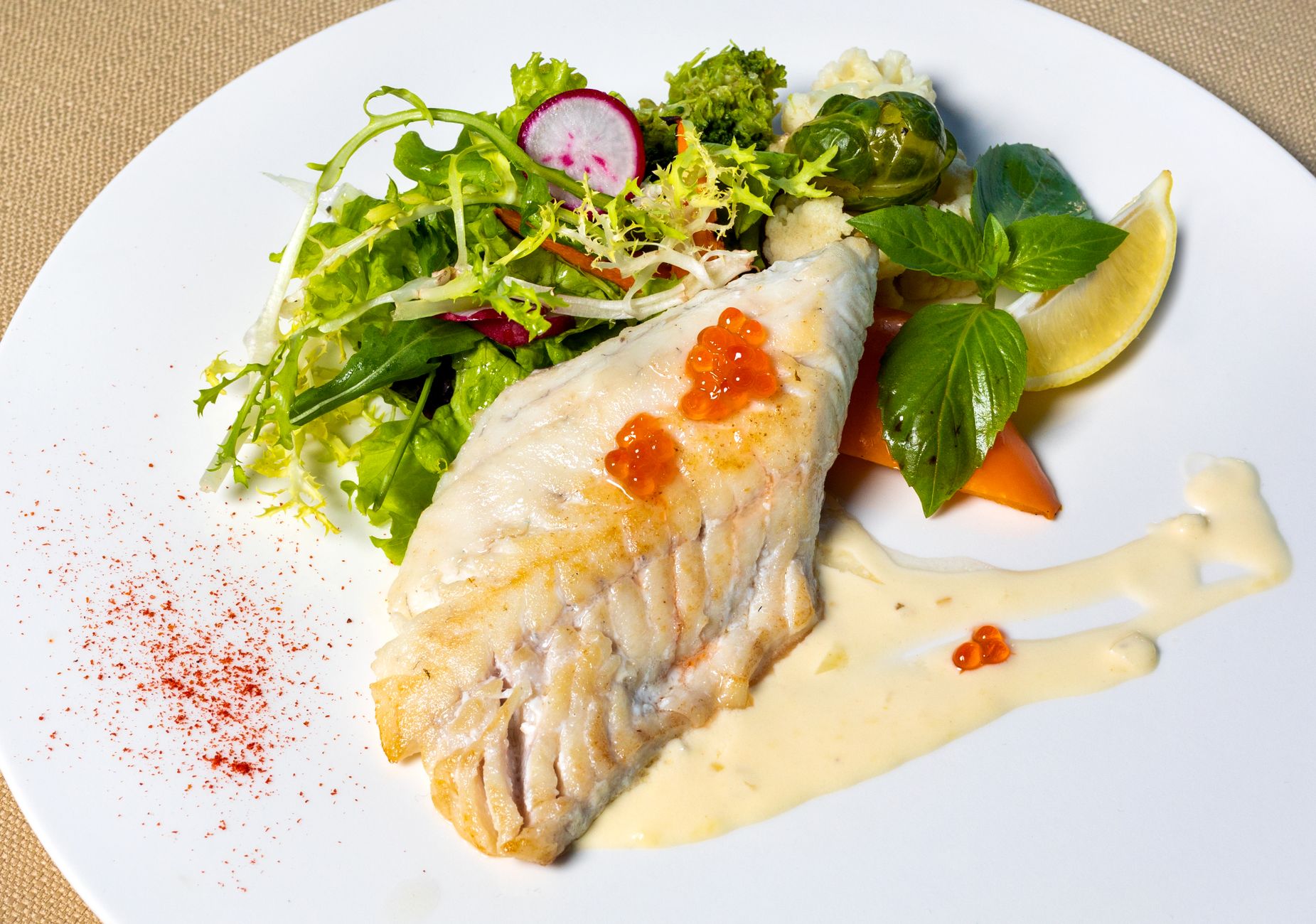
Haddock is a popular fish known for its mild flavor and flaky texture, making it a favorite in various cuisines. Many people curious about haddock often wonder if it has a fishy taste, especially when compared to other fish types. This article will explore the flavor profile of haddock, its culinary applications, and tips for serving it.
Understanding whether haddock is fishy can help you decide how to integrate it into your cooking, whether you’re grilling, baking, or preparing a meal with it. From its uses in classic recipes to creative serving ideas, this guide will provide you with all the information you need to appreciate this delicious yet versatile fish.
Is Haddock Fishy?
Generally, haddock is not considered to be a fishy fish. Its flavor is mild, slightly sweet, and somewhat earthy, which makes it approachable for those who may be sensitive to fishy tastes. The freshness of the fish plays a significant role in its flavor profile, so sourcing high-quality, fresh haddock can enhance its mild and subtle taste further.
What Does Haddock Taste Like?
The flavor of haddock is delicate, featuring light, almost sweet notes that differentiate it from more robust fish such as mackerel or sardines. The texture is flaky when cooked, giving a pleasing mouthfeel. This mildness makes it an excellent canvas for a variety of seasonings and sauces. While some fish varieties may have a more pronounced “fishy” taste, haddock stands out for its palatable and savory profile.
Factors Influencing Fishiness
- Freshness: The flavor of any fish is considerably affected by its freshness. Fresh haddock has a clean taste with less chance of any fishy odor.
- Cooking Method: How you prepare haddock can affect its taste. While frying it may enhance its flavor with oils and seasonings, baking it can preserve its natural flavors.
- Source: How and where the fish is caught can impact its taste. Haddock from cold waters tends to be milder than haddock from warmer climates.
Culinary Uses of Haddock
Haddock is a versatile fish that lends itself well to various cooking methods. Here are some popular culinary applications:
1. Baking
Baked haddock is a classic preparation method that allows the fish’s natural flavors to shine. A simple seasoning of olive oil, lemon juice, salt, and pepper works beautifully, while herbs such as parsley or dill enhance its taste without overpowering it.
2. Frying
Fried haddock, particularly in the form of fish and chips, is a beloved dish in many seafood eateries. The crispy coating adds texture, while the fish remains light and flaky inside, making it enjoyable even for those who aren’t fond of fish.
3. Grilling
Grilling haddock can impart a smoky flavor that complements its subtle taste. Marinating the fish before grilling enhances its flavor profile, allowing you to experiment with different herbs and spices.
4. Smoking
Smoked haddock is a traditional preparation in many cultures. The smoking process can add depth, providing a slightly richer flavor while still maintaining that mild characteristic. It’s commonly used in soups and chowders.
5. Soups and Chowders
Haddock is often a key ingredient in hearty soups and chowders, lending its light flavor to creamy or tomato-based broths. A traditional New England clam chowder can benefit from being enriched with tender pieces of haddock, creating a delicious and flavorful dish.
How to Choose Fresh Haddock
When selecting haddock, look for these signs of freshness:
- Appearance: Fresh haddock should have clear, bright eyes and moist, transparent skin. The flesh should appear shiny and have a pinkish color.
- Smell: Fresh fish should have a clean scent reminiscent of the sea. Avoid fish that has a strong, fishy odor.
- Texture: The texture of fresh haddock should be firm to the touch. If the flesh is mushy or leaves an indentation, avoid it.
Simple Baked Haddock Recipe
This baked haddock recipe is simple and highlights the fish’s delicate flavor. The seasoning complements without overpowering, allowing you to enjoy the natural taste of the fish.
- Yield: 4 servings
- Preparation Time: 10 minutes
- Cooking Time: 20 minutes
- Total Time: 30 minutes
Ingredients
- 4 haddock fillets (about 6 ounces each)
- 2 tablespoons olive oil
- 2 tablespoons lemon juice
- 1 teaspoon garlic powder
- 1 teaspoon dried parsley
- 1 teaspoon salt
- 1/2 teaspoon black pepper
- Lemon wedges for serving
Equipment Needed
- Baking dish
- Mixing bowl
- Measuring spoons
- Cooking brush (optional)
Method
- Preheat your oven to 375°F (190°C).
- In a mixing bowl, whisk together the olive oil, lemon juice, garlic powder, parsley, salt, and black pepper.
- Place the haddock fillets in a baking dish and brush the seasoning mixture evenly over the fish.
- Bake in the preheated oven for 15 to 20 minutes or until the fish flakes easily with a fork and is opaque throughout.
- Remove from the oven and serve immediately with lemon wedges on the side.
Practical Substitutions and Variations
If you don’t have haddock on hand or want to try something different, here are some practical substitutions:
- Cod: A firm and mild-flavored fish that can be used in place of haddock with similar cooking times.
- Sole: Another mild fish that works well for baking but has a slightly softer texture.
- Tilapia: This budget-friendly alternative offers a mild flavor and can hold up to various seasonings.
Common Mistakes to Avoid
When preparing haddock, here are some common mistakes to watch out for:
- Overcooking: Haddock is best when cooked just until it flakes easily. Overcooking can lead to a dry texture.
- Using overpowering flavors: While seasonings enhance flavor, too much can mask the delicate taste of the fish.
- Not checking freshness: Always inspect haddock for freshness before purchasing to avoid spoilage.
Serving Ideas for Haddock
Looking for ways to serve haddock? Here are some creative ideas:
- Fish Tacos: Chop cooked haddock and serve with fresh cabbage, avocado, and a zingy lime sauce in tortillas.
- Haddock Salad: Flake baked haddock into a salad of mixed greens, cherry tomatoes, cucumbers, and a light vinaigrette.
- Haddock Sandwich: Layer flaky haddock with tartar sauce, lettuce, and pickles on a sturdy bun for a satisfying seafood sandwich.
- Curry Haddock: Add cooked haddock to a coconut curry sauce paired with steamed rice.
Storage and Reheating Tips
If you have leftover haddock, proper storage is essential:
- Storage: Place cooked haddock in an airtight container and store it in the refrigerator for up to 2 days.
- Freezing: Raw haddock can be frozen for up to 2 months. Ensure it’s well-wrapped to prevent freezer burn.
- Reheating: Reheat cooked haddock in the oven at a low temperature or in a skillet with a little oil to retain moisture.
Haddock’s mild flavor makes it a versatile fish celebrated in various dishes. With a bit of creativity, it can be transformed into a delightful meal that caters to different tastes. For those unsure about fish due to fear of a fishy flavor, haddock is an excellent option, showcasing how mild yet satisfying fish can be.
For more delicious seafood recipes, consider trying this baked haddock recipe and learning how to make perfect hard-cooked eggs with this hard-cooked eggs recipe.