
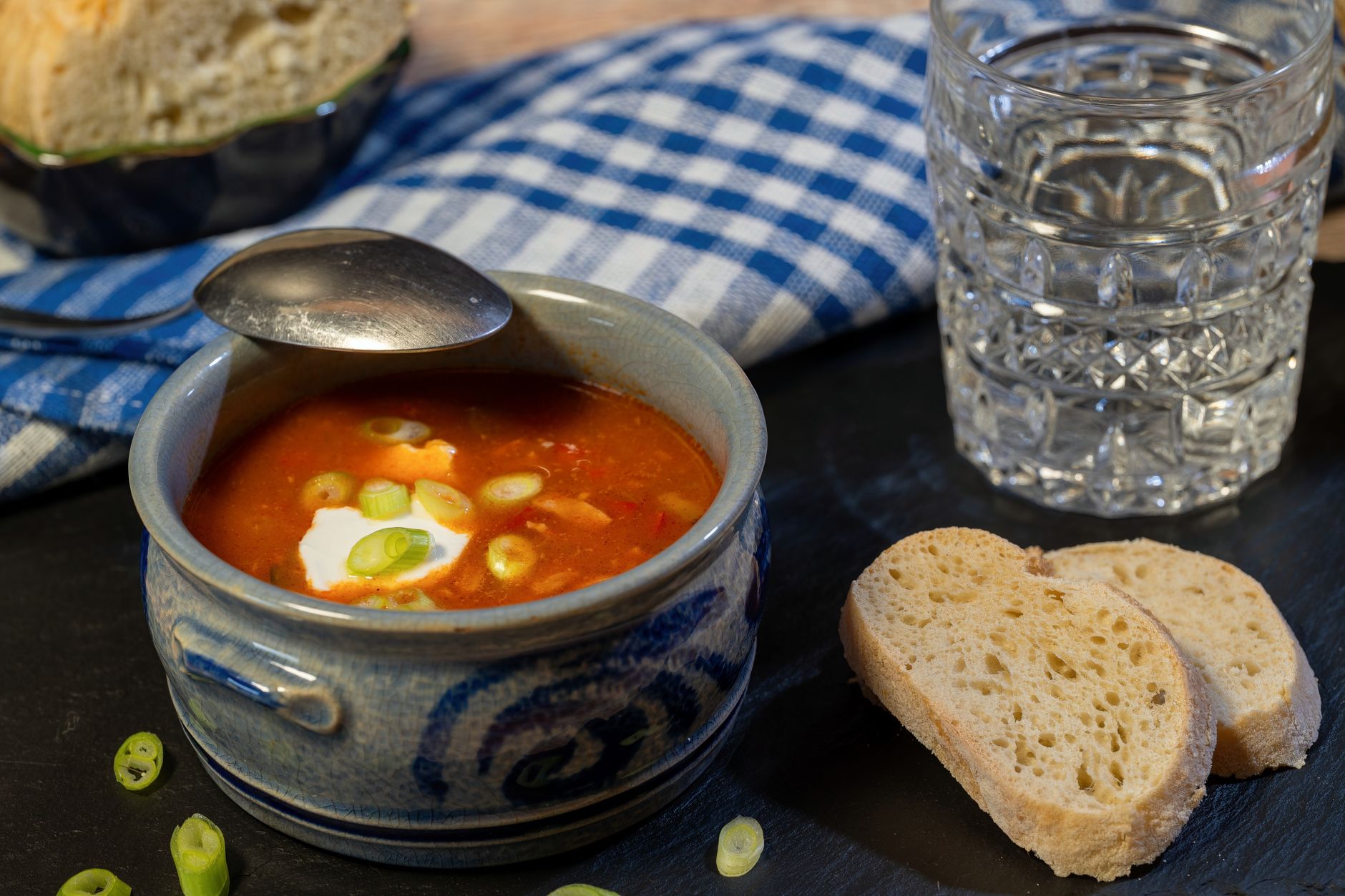
Gumbo is a hearty, flavorful dish that has roots in Louisiana’s culinary traditions, combining various proteins, vegetables, and a rich sauce. Many people wonder, though, is gumbo spicy? The answer depends on several factors, including the specific ingredients used and personal preferences.
While gumbo can have a kick, the spice level can be adjusted based on your taste. By exploring the flavor profile of gumbo, the role of spices and herbs, and various cooking techniques, you can create a delicious dish that suits your palate.
Is Gumbo Spicy?
Gumbo can vary in heat, depending on the ingredients and preparation. Traditional gumbo features spices like cayenne pepper and black pepper, which contribute to its spice level. However, it’s possible to make a milder version by controlling the amount and type of spices used, leading to a dish that’s flavorful yet not overly hot.
Understanding Gumbo
Before delving into its spice levels, it helps to understand what gumbo is. This iconic dish is a thick soup or stew originating from Louisiana. Ingredients often include a mix of meats or seafood, vegetables, and a roux-based stock. Common proteins are chicken, sausage (often andouille), seafood like shrimp or crab, and the “holy trinity” of vegetables, which includes onions, bell peppers, and celery.
Flavor Profile of Gumbo
Gumbo has a complex flavor profile characterized by deep, rich, and savory notes. The roux adds a nutty flavor, while the vegetables and proteins contribute their respective tastes. Spices and seasonings elevate these flavors, bringing warmth and depth to each bowl. It’s worth noting that the spice level is just one layer of its overall flavor profile.
Common Ingredients and Their Roles
- Roux: A mixture of flour and fat (like oil or butter) cooked until browned, acting as a thickener and flavor base.
- Holy Trinity: This combination of onions, bell peppers, and celery forms the aromatic foundation of gumbo.
- Proteins: Chicken, sausage, or seafood adds texture and depth of flavor.
- Spices: Common spices include cayenne pepper, black pepper, thyme, and bay leaves, adding warmth and complexity.
- Stock: Chicken, seafood, or vegetable stock enhances the savory quality of the dish.
Spices and Their Impact on Heat Level
The heat level of gumbo primarily comes from spices. Not all gumbo is spicy; it largely depends on personal preferences and regional variations. Here’s a breakdown of common spices and how they influence the spice level:
Cayenne Pepper
Cayenne is a staple in many gumbo recipes. It provides a noticeable heat that can be adjusted by increasing or decreasing the amount used. A little goes a long way, so start small and taste your way to the desired spice level.
Black Pepper
Black pepper contributes to the overall warmth but is milder than cayenne. It adds depth to the dish’s flavor without overwhelming it with heat.
Other Spices and Herbs
Thyme, paprika, and bay leaves are often included in gumbo recipes. While these add flavor, they do not significantly increase the heat level. Feel free to experiment with these subs for various flavor outcomes without drastically altering the dish’s spiciness.
Cooking Techniques and Their Influence on Flavor
The method used to prepare gumbo affects both flavor and spice levels. Roux preparation, the timing of adding spices, and simmering techniques all play a vital role.
Making the Roux
Creating a dark roux is a defining feature of gumbo. To achieve this, flour and fat are cooked together until the roux turns a deep brown color. This process can take time but enhances the dish’s flavor, adding depth without imparting additional spice.
Timing of Spice Addition
Spices should be added at different stages of cooking. Typically, dried spices like cayenne and black pepper are added early to allow their flavors to meld with the broth. Fresh herbs can be added later for a brighter flavor.
Simmering
Once all ingredients are combined, the gumbo is simmered to allow flavors to develop. A longer simmer results in a richer flavor, so be generous with your cooking time. Adjust your spice level during this stage, tasting occasionally.
Variations of Gumbo and Their Spice Levels
There are numerous gumbo variations worldwide, each offering unique combinations and spice levels. Here are a few notable examples:
Seafood Gumbo
Seafood gumbo often contains shrimp, crabs, or fish, and tends to be lighter than meat-based versions. It’s usually spiced less vigorously, allowing the seafood’s delicate flavors to shine. However, additional heat from cayenne can be added if desired.
Chicken and Sausage Gumbo
The pairing of chicken and andouille sausage is a classic combination. The sausage contributes more flavor and spiciness than other meats, making this gumbo a bit on the spicier side. Adjust the cayenne according to your preference.
Vegetarian Gumbo
Vegetarian gumbo can be just as flavorful as its meat counterparts. Using vegetable broth and a mix of hearty vegetables can create a satisfying dish. Spiciness can easily be managed here by adjusting the amount and type of spices used.
Common Mistakes and Troubleshooting
While making gumbo, a few common pitfalls can occur. Here are some troubleshooting tips:
Roux Too Dark or Not Dark Enough
The roux should be dark brown but not burned. If it’s too light, it won’t provide the depth of flavor that gumbo needs. Conversely, if it burns, you’ll need to start over. Patience is key when cooking the roux.
Too Spicy or Not Spicy Enough
If your gumbo turns out too spicy, cooling the dish with dairy, like sour cream or cream, can help tone it down. Conversely, if it’s too mild, consider adding a pinch more cayenne during the simmering stage to ramp up the heat.
Serving Suggestions
Gumbo is typically served in a deep bowl over a generous scoop of rice. Consider garnishing with fresh parsley or green onions for a pop of color and freshness. Classic accompaniments include crusty bread or cornbread, perfect for sopping up the rich stew.
Storage and Reheating Guidance
Leftover gumbo can be stored in the refrigerator for up to three days or frozen for longer-term storage (up to six months). When reheating, it’s best to do so on the stove over medium heat, stirring occasionally to ensure even warming. Add a little stock or water if it seems too thick.
Practical Tips for Making Gumbo
Here are some tips to help elevate your gumbo-making experience:
- Prep Ingredients Ahead: Have all your ingredients prepped and ready before you start cooking. This helps streamline the process.
- Taste as You Go: Taste the gumbo at different stages to better control the flavor and spice levels.
- Don’t Rush the Roux: Allow the roux to develop to its full flavor potential by taking your time. It’s the foundation of your gumbo.
- Experiment: Feel free to add or substitute proteins as you prefer—gumbo is versatile!
Conclusion
Gumbo is a richly flavored and adaptable dish that can cater to different spice preferences. By understanding its ingredients, cooking techniques, and variations, you can create a gumbo that is spicy or mild, depending on your taste. If you like experimenting in the kitchen, consider trying out different proteins, spices, and cooking methods to customize your gumbo experience.
For more delicious recipes and cooking tips, check out our posts on gumbo greens and learn how to make your own andouille sausage. Enjoy your gumbo journey!