
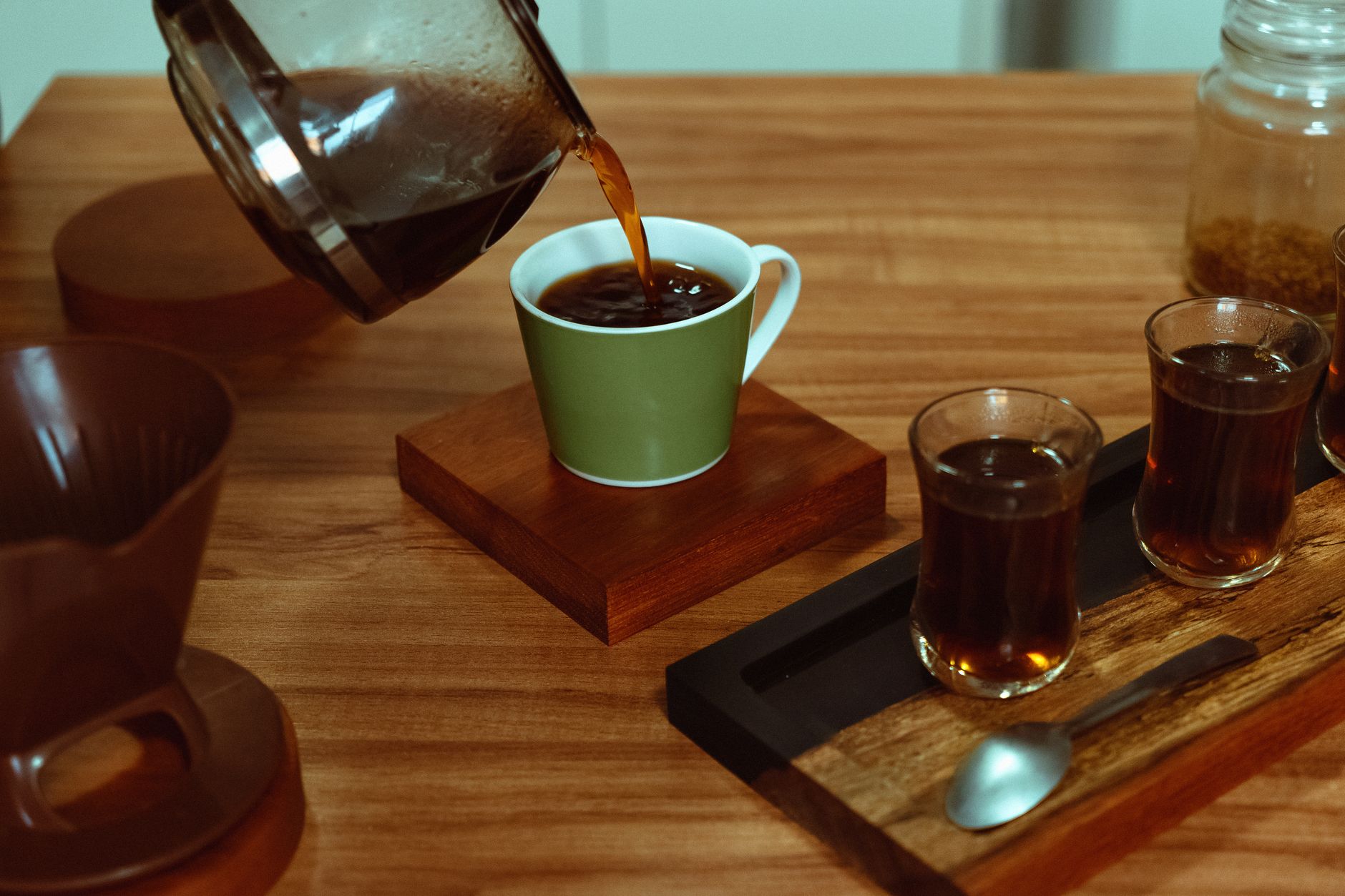
With coffee and green tea being two of the most popular beverages worldwide, many individuals often wonder which one might be superior in various aspects, be it flavor, health benefits, or versatility in preparation. Understanding the key differences between these two beverages can help you make more informed choices about which one fits best into your lifestyle and preferences.
This article will explore the culinary uses, nutritional differences, and unique qualities of green tea and coffee, helping you determine if green tea is truly better than coffee or if the answer lies in a balanced approach that incorporates both.
Is Green Tea Better Than Coffee?
Comparing green tea and coffee requires examining their health benefits, flavor profiles, caffeine content, and preparation methods. Both drinks have unique advantages, and whether one is better than the other largely depends on personal preferences and dietary needs.
Flavor Profiles
The flavor of your beverage influences your overall experience, serving as a key element in your decision-making process. Understanding how green tea and coffee differ in flavor can help you select the right option for your palate.
Green Tea
Green tea is known for its subtle, grassy, and earthy flavors. Brewing temperatures and steeping times can influence its taste significantly. For example, Japanese green teas, like sencha, may offer a more pronounced sweetness, while Chinese varieties, such as Longjing, may present nutty overtones. Other factors affecting the flavor include:
- Type of green tea used (e.g., Matcha, Gyokuro, or Sencha)
- Water quality and temperature
- Steeping time
Coffee
Coffee generally presents a more robust and complex flavor profile, characterized by its rich, bold, and sometimes bitter notes. Various factors influence the taste of coffee:
- Type of coffee beans (e.g., Arabica vs. Robusta)
- Roasting levels (light, medium, dark)
- Brewing method (e.g., espresso, French press, drip)
- Freshness of the beans
Caffeine Content
Caffeine is often a critical consideration when choosing between coffee and green tea. The amount varies significantly between the two beverages and can impact your energy levels and alertness differently.
Green Tea Caffeine Levels
On average, an 8-ounce cup of green tea contains about 20 to 45 milligrams of caffeine. This lower caffeine content may result in a more moderate energy boost without the jitters commonly associated with higher doses.
Coffee Caffeine Levels
In comparison, a regular 8-ounce cup of brewed coffee contains approximately 95 to 200 milligrams of caffeine. Individuals seeking a significant energy boost might prefer coffee, while those sensitive to caffeine may choose green tea for its lower content.
Nutritional Differences
Examining the nutritional profiles of green tea and coffee is crucial in understanding their overall health benefits.
Green Tea Nutritional Benefits
Green tea is rich in antioxidants, specifically catechins, which are believed to provide several health benefits:
- May improve brain function
- Supports fat burning and enhances physical performance
- May reduce the risk of heart disease
- Could help lower the risk of certain cancers
- Contributes to oral health
Coffee Nutritional Benefits
Coffee, too, provides a wealth of nutrients and compounds beneficial to health:
- Rich in antioxidants, including chlorogenic acid
- May protect against certain diseases, such as Parkinson’s and Alzheimer’s
- Can enhance metabolic rate
- Improves mood and cognitive function
Health Considerations
While both beverages have their unique health benefits, individuals may experience different effects based on personal health conditions and lifestyles.
Green Tea Health Considerations
Green tea is often celebrated for its natural health benefits, but some might experience:
- Lower blood pressure due to relaxing effects on blood vessels
- Enhanced fat metabolism
- May promote hydration
- Potential liver protective properties
Coffee Health Considerations
Similarly, coffee offers several advantages but can also have drawbacks for some individuals:
- Can lead to increased heart rate for sensitive individuals
- May contribute to dehydration if consumed in excess
- High caffeine exposure can lead to anxiety
- May interfere with sleep patterns
Preparation Techniques
Both green tea and coffee offer a diverse range of preparation methods, allowing for varied flavor experiences. Understanding these techniques can enhance your enjoyment of both beverages.
How to Prepare Green Tea
For quality green tea, attention to detail in preparation is essential to maximize flavor and health benefits:
- Heat water to about 160°F to 180°F (70°C to 80°C).
- Add 1 teaspoon of loose leaf green tea or one green tea bag per cup.
- Let steep for 2 to 3 minutes.
- Strain if using loose tea, and enjoy your drink plain or flavored with lemon or honey.
How to Prepare Coffee
Preparing coffee can also vary based on personal preferences, and methods include:
- Measure coffee grounds at a ratio of 1 to 2 tablespoons of coffee per 6 ounces of water.
- Choose your brewing method (espresso machine, French press, drip coffee maker).
- Adjust grind size based on brewing method (coarse for French press, fine for espresso).
- Brew according to the specifics of your method (e.g., 4 minutes for French press).
Versatility in Cooking and Mixing
Both green tea and coffee can be used beyond simply being brewed as beverages. Their versatility lends them well to various culinary applications.
Uses for Green Tea in Cooking
Green tea can add flavor and health benefits to various dishes; consider some of the following:
- Incorporating green tea powder (matcha) into baked goods like cakes and cookies.
- Using steeped green tea as a base for salad dressings.
- Preparing green tea-infused rice or quinoa.
- Crafting green tea lattes or smoothies.
Uses for Coffee in Cooking
Likewise, coffee has a unique ability to deepen flavors and enhance various dishes:
- Using brewed coffee in marinades or stews for added richness.
- Incorporating espresso powder into chocolate desserts for depth.
- Crafting coffee-infused sauces or glazes for meats.
Common Mistakes to Avoid
To make the most of your green tea and coffee experience, steer clear of some common pitfalls.
Green Tea Mistakes
- Using boiling water, which can make green tea taste bitter.
- Not using fresh tea leaves or bags, resulting in dull flavors.
- Oversteeping tea, leading to increased bitterness.
Coffee Mistakes
- Using stale coffee beans or grounds, diminishing flavor.
- Using water that is either too hot or too cold, affecting extraction.
- Failing to clean your coffee maker, which can lead to off flavors.
Storage and Shelf Life
Understanding how to properly store green tea and coffee can prolong their freshness and enhance their flavors.
Storing Green Tea
- Keep green tea in a cool, dark place, away from moisture, heat, and air.
- Store loose leaves in an airtight container or resealable bag.
- Consume within 6 months for optimal freshness.
Storing Coffee
- Store coffee beans in an airtight container at room temperature.
- Avoid refrigeration or freezing, which can lead to moisture absorption.
- Use within 2-4 weeks for the freshest taste after opening.
Conclusion
In determining whether green tea is better than coffee, much depends on individual tastes and preferences. Each beverage offers distinct flavors, varying caffeine levels, and different health benefits. Consider integrating both into your diet to experience their unique qualities while enjoying a variety of flavors.
Explore related recipes and tips, including a delicious protein coffee recipe and insights into green tea flavors.