
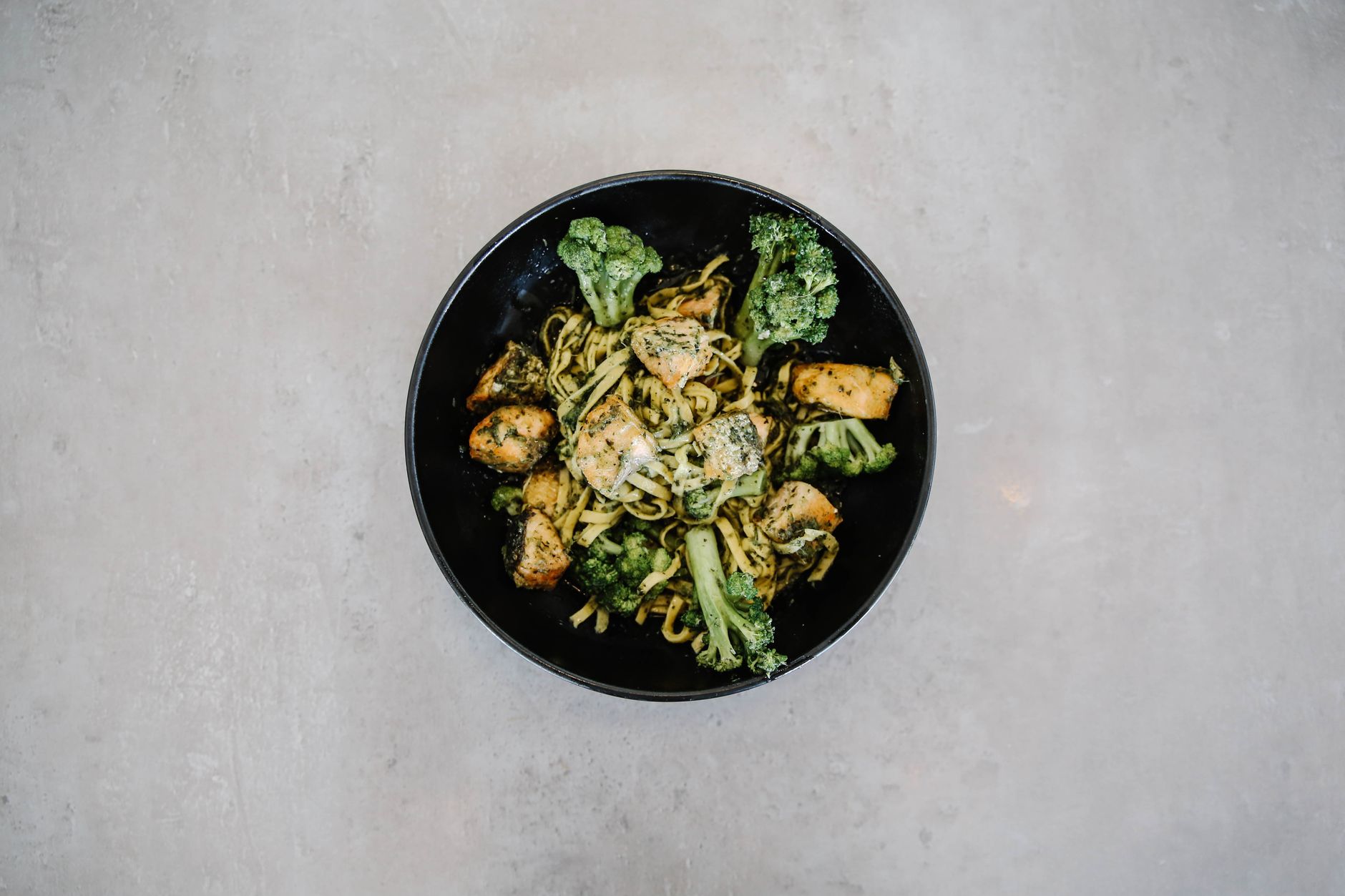
Gluten-free pasta has gained popularity in recent years, especially among those with gluten sensitivities or celiac disease. But is it inherently better for you than traditional pasta made from wheat? Understanding the differences can help you make informed choices when you’re stocking up your pantry or planning meals.
This article will delve into the pros and cons of gluten-free pasta, discuss its nutritional profile, and provide tips for labeling and allergy considerations. Whether you’re considering a dietary change or simply curious, this guide will help clarify your decision-making process.
Is Gluten Free Pasta Better for You?
Gluten-free pasta may not necessarily be “better” for everyone, but it offers important benefits for those with gluten intolerance or celiac disease. For others, its nutritional value varies based on the ingredients used. It’s essential to evaluate your individual health needs and dietary restrictions.
Understanding Gluten and Its Effects
Gluten is a protein found in wheat and other grains, such as barley and rye. For most people, it poses no health risks. However, individuals with celiac disease or gluten sensitivity can have severe adverse reactions, including digestive distress and inflammation.
For those diagnosed with these conditions, gluten-free products are not just dietary choices; they are a necessity. Adopting a gluten-free diet can alleviate symptoms and improve overall well-being.
Nutritional Comparison
When considering whether gluten-free pasta is better for you, analyzing the nutritional differences is key. Here’s a breakdown of common ingredients found in gluten-free pasta:
- Rice Flour: A common base for gluten-free pasta that is easily digestible and naturally gluten-free.
- Chickpea Flour: Higher in protein and fiber, adding a nutritional punch and a nutty flavor.
- Lentil Flour: Provides significant protein and iron while being rich in fiber.
- Quinoa Flour: A complete protein source containing all essential amino acids, with additional vitamins and minerals.
In contrast, traditional pasta is primarily made from refined wheat flour, which tends to be lower in fiber and protein. The following table highlights the nutritional comparison of standard pasta versus a gluten-free alternative made from chickpea flour:
| Nutrient | Traditional Pasta (1 cup cooked) | Chickpea Pasta (1 cup cooked) |
|---|---|---|
| Calories | 200 | 180 |
| Protein | 7g | 14g |
| Carbohydrates | 42g | 30g |
| Fiber | 2g | 6g |
Evaluating Gluten Free Pasta Ingredients
The health benefits of gluten-free pasta significantly depend on the ingredients used. Here are some factors to consider:
Whole Grains vs. Refined Options
Many gluten-free pastas are made from refined grains, similar to traditional pasta. This often means they are low in fiber and may cause spikes in blood sugar levels. Choosing whole-grain gluten-free pasta options, whenever available, can offer more fiber and nutritional benefits.
Additives and Preservatives
Some gluten-free pastas contain additives to improve texture and shelf-life. Ingredients such as xanthan gum, while generally recognized as safe, can cause digestive issues in some. Always read labels carefully and choose brands with minimal, wholesome ingredients.
Flavor and Texture
The taste and texture of gluten-free pasta can differ notably from that of traditional wheat pasta. While rice pasta may have a neutral taste, chickpea or lentil pasta can impart a nuttiness and a denser texture. Experimenting with various types can help you find one that meets your palate preferences.
Labeling and Allergy Tips
When navigating the grocery aisles, being aware of food labeling can help you make safe choices. Here are a few practical tips:
Look for Certified Gluten-Free Labels
A “gluten-free” label does not always guarantee safety due to potential cross-contamination in manufacturing. To minimize risk, look for products with a certified gluten-free label, which ensures that the item contains less than 20 parts per million of gluten.
Read Ingredient Lists
Always examine the ingredient list for potential allergens. Common gluten-free pasta ingredients may include various legumes, grains, or nut flours, which can trigger other allergies. If you’re in doubt, consider reaching out to the manufacturer for more information.
Be Cautious of Cross-Contamination
If you are preparing meals for someone with a gluten intolerance or celiac disease, be diligent about preventing cross-contamination in your kitchen. Use separate utensils and cooking surfaces, and thoroughly clean all equipment that may come into contact with gluten-containing foods.
Cooking and Serving Recommendations
Once you’ve selected your gluten-free pasta, cooking it properly is crucial to achieving the desired taste and texture. Here are some guidelines for cooking gluten-free pasta:
Cooking Time
Gluten-free pasta typically requires a shorter cooking time than traditional pasta. Be sure to follow the package instructions closely, as overcooking can lead to a mushy texture.
Storing Cooked Gluten Free Pasta
Unused or leftover gluten-free pasta should be stored in an airtight container in the refrigerator, where it can last for up to three days. When reheating, add a splash of water to help restore moisture and prevent clumping.
Pairing Sauces and Ingredients
When serving gluten-free pasta, consider light olive oil or cream-based sauces that complement the pasta’s texture. Fresh vegetables, lean proteins, and herbs can all enhance your dish, adding flavor and nutritional value.
Common Mistakes When Using Gluten Free Pasta
Even experienced cooks can make errors when transitioning to gluten-free pasta. Here are a few frequent pitfalls to avoid:
- Not checking cooking times: Always monitor your gluten-free pasta closely, as overcooking can spoil the texture.
- Assuming all gluten-free pasta is created equal: Experiment with different brands and types to discover what works best for your recipes.
- Forgetting the starch: Starchy pasta water can enhance the consistency of sauces, so remember to reserve some before draining.
Substitutions and Variations
For those wishing to adopt a gluten-free lifestyle while maintaining flavor and variety, the following substitutions may be useful:
Alternative Ingredients
- Instead of wheat pasta, try spiralized vegetables (like zucchini or butternut squash) for a low-carb option.
- Consider polenta or rice noodles for unique textures and flavors in your dishes.
Enhancing Flavor
Enhancing your gluten-free pasta dish can include incorporating various spices, such as garlic powder or smoked paprika. Fresh herbs like basil, parsley, or oregano can also elevate the overall flavor profile.
Popular Gluten Free Pasta Brands
Several brands have established a reputation for high-quality gluten-free pasta. Here are a few to consider:
- Banza: Made from chickpeas, offering more protein and fiber than traditional pasta.
- Barilla Gluten Free: A blend of corn and rice flour, offering a familiar texture.
- Tinkyada: Brown rice-based pasta known for its excellent flavor and texture.
- Ancient Harvest: Quinoa-based pasta providing a unique flavor and nutrition.
Conclusion
Ultimately, whether gluten-free pasta is better for you depends on individual dietary needs and preferences. It’s an essential alternative for those with gluten sensitivities and can be a flavorful and nutritious option for anyone willing to explore beyond traditional wheat pasta. With ample types and brands available, there is something to suit every taste and nutritional requirement.
For further culinary inspiration, consider exploring recipes like gluten-free gnocchi or gluten-free waffles to expand your gluten-free repertoire.