
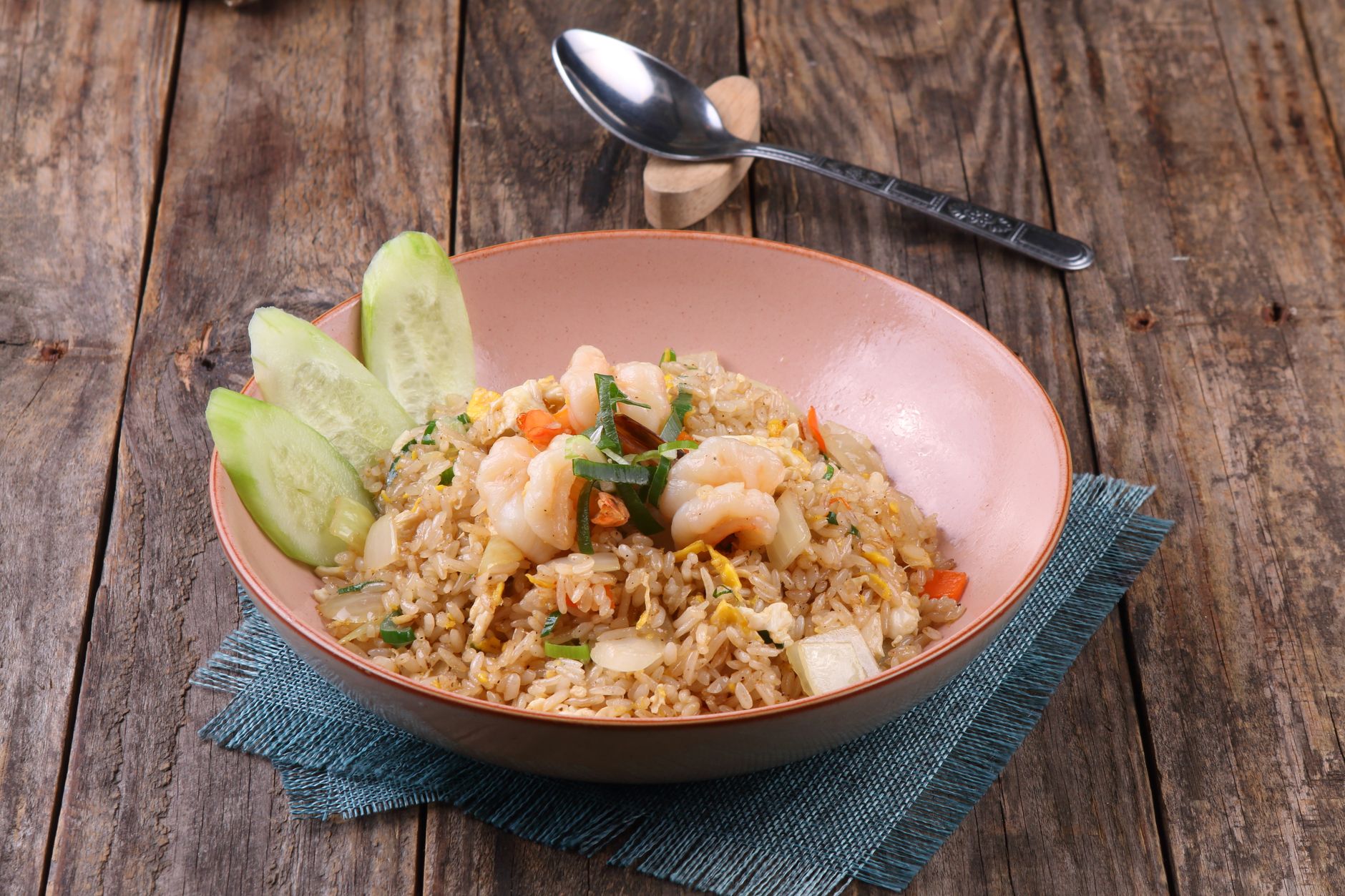
Fried rice is a beloved dish that brings together the comfort of rice with a variety of flavorful ingredients. However, those seeking to avoid gluten may wonder: is fried rice gluten free? The answer often depends on specifically what goes into the dish.
This article will explore the components of fried rice, discuss gluten-free alternatives, and provide allergy notes to help you make informed choices. Whether you’re dining out or cooking at home, understanding gluten in fried rice is essential for those with dietary restrictions.
Is Fried Rice Gluten Free?
Generally speaking, fried rice can be gluten free, but this depends on the ingredients used. Traditional fried rice consists of cooked rice stir-fried with vegetables, proteins, and seasonings. However, sauces like soy sauce often contain gluten, which can make the dish off-limits for those with gluten sensitivity or celiac disease.
The Base of Fried Rice: Rice Types
The primary ingredient in fried rice is, of course, rice. Luckily, rice is naturally gluten free. Here are some common types and notes on their gluten status:
- White Rice: This is the most common type used in fried rice and is gluten free.
- Brown Rice: An excellent whole grain choice, also gluten free.
- Jasmine Rice: Popular in Asian cuisines; it is gluten free and fragrant.
- Basmati Rice: Known for its long grains and fluffy texture; it is gluten free as well. Find more about basmati rice here.
- Cauliflower Rice: A low-carb alternative gaining popularity; it is gluten free.
Common Ingredients in Fried Rice
While rice is gluten free on its own, other ingredients can introduce gluten into fried rice. Here’s a look at common components and their gluten status:
- Vegetables: Fresh vegetables such as peas, carrots, and bell peppers are gluten free.
- Proteins: Chicken, shrimp, pork, and tofu are gluten free, but always check if they are marinated or pre-seasoned.
- Eggs: Typically added to fried rice, eggs are gluten free.
- Seasonings: Salt, pepper, garlic, and ginger are gluten free.
- Gluten-Free Soy Sauce: Traditional soy sauce contains wheat, but there are gluten-free alternatives available, such as tamari.
Checking for Gluten in Sauces and Condiments
One of the biggest culprits for gluten in fried rice is soy sauce. Here’s how to choose gluten-free options:
- Soya Sauce: Regular soy sauce contains wheat. If using soy sauce in your fried rice, opt for gluten-free soy sauce or tamari.
- Hoisin Sauce: Common in Asian dishes, check the label for gluten content as many brands use wheat.
- Oyster Sauce: Also check labels, as some brands may contain gluten.
- Fish Sauce: Typically gluten free, but always verify the ingredients.
How to Make Gluten-Free Fried Rice
Here’s a simple guide to preparing gluten-free fried rice at home:
Ingredients
- 2 cups cooked white, brown, or jasmine rice (preferably day-old for best texture)
- 1 cup mixed vegetables (peas, carrots, bell peppers)
- 2 tablespoons gluten-free soy sauce or tamari
- 2 eggs, beaten
- 2 tablespoons sesame oil or vegetable oil
- 2 cloves garlic, minced
- 1 teaspoon ginger, minced (optional)
- 3 green onions, chopped
- Protein of choice (such as chicken, shrimp, or tofu) – about 1 cup, cooked and diced
Equipment Needed
- Large skillet or wok
- Spatula or wooden spoon
- Cutting board
- Sharp knife
Cooking Method
- Heat the oil in a large skillet or wok over medium-high heat.
- Add the minced garlic and ginger; stir-fry for about 30 seconds until fragrant.
- Add the mixed vegetables and stir-fry for about 2-3 minutes until they begin to soften.
- Push the vegetables to the side of the skillet and pour the beaten eggs into the center. Scramble the eggs until fully cooked.
- Add the cooked rice to the skillet, making sure to break up any clumps. Stir everything together.
- Pour in the gluten-free soy sauce and mix well, ensuring the rice is evenly coated.
- Add the cooked protein and chopped green onions. Stir-fry for an additional 2-3 minutes until heated through.
- Remove from heat and serve hot.
Substitutions and Variations
If you’re looking to customize your fried rice experience, consider the following substitutions:
- Rice Alternatives: Use cauliflower rice or quinoa for a low-carb or added protein twist.
- Vegetable Choices: Incorporate other vegetables like spinach, zucchini, or broccoli.
- Protein Alternatives: Use chickpeas or a plant-based substitute for a vegetarian option.
- Sauce Alternatives: For a different flavor, try coconut aminos as a soy sauce replacement.
Common Mistakes to Avoid
Here are some tips to ensure your fried rice comes out perfectly every time:
- Using Fresh Rice: Freshly cooked rice can become mushy when fried. Make sure to use rice that has been cooled and ideally refrigerated for at least a few hours.
- Overcrowding the Pan: This can lead to steaming instead of frying. Cook in batches if necessary.
- Forgetting Gluten-Free Options: Always check sauces and condiments for hidden gluten.
Gluten-Free Fried Rice: Serving and Storage
When it comes to serving fried rice, it can be enjoyed as a main dish or a side. Here are some storage tips to keep in mind:
- Serving: Garnish with additional green onions or sesame seeds for added flair. Serve immediately for the best flavor.
- Storage: Store leftovers in an airtight container in the refrigerator for up to three days. Reheat thoroughly before consuming.
- Freezing: Fried rice can be frozen. Allow it to cool completely, then place it in a freezer-safe container. It can last up to three months in the freezer. Reheat in a skillet or microwave, adding a splash of water to prevent it from drying out.
Dining Out: Finding Gluten-Free Fried Rice
If you’re eating out, navigating gluten-free options can be challenging. Here’s what to consider:
- Ask Questions: Don’t hesitate to ask the restaurant about their ingredients and preparation methods. Inquire if they offer gluten-free soy sauce or alternatives.
- Check the Menu: Many restaurants offer allergen menus. Look for sections dedicated to gluten-free dining.
- Communicate Dietary Restrictions: Make sure your server knows you have a gluten intolerance or celiac disease to avoid cross-contamination.
Conclusion
Fried rice can be a delicious gluten-free meal if prepared correctly using gluten-free ingredients. By utilizing gluten-free soy sauce and being mindful of other components, you can enjoy this satisfying dish without worry. Whether cooking at home or ordering at a restaurant, always monitor ingredient labels and preparation methods.
For related insights, you can explore more about basmati rice here, and check out a delicious Benihana fried rice recipe for additional inspiration.