
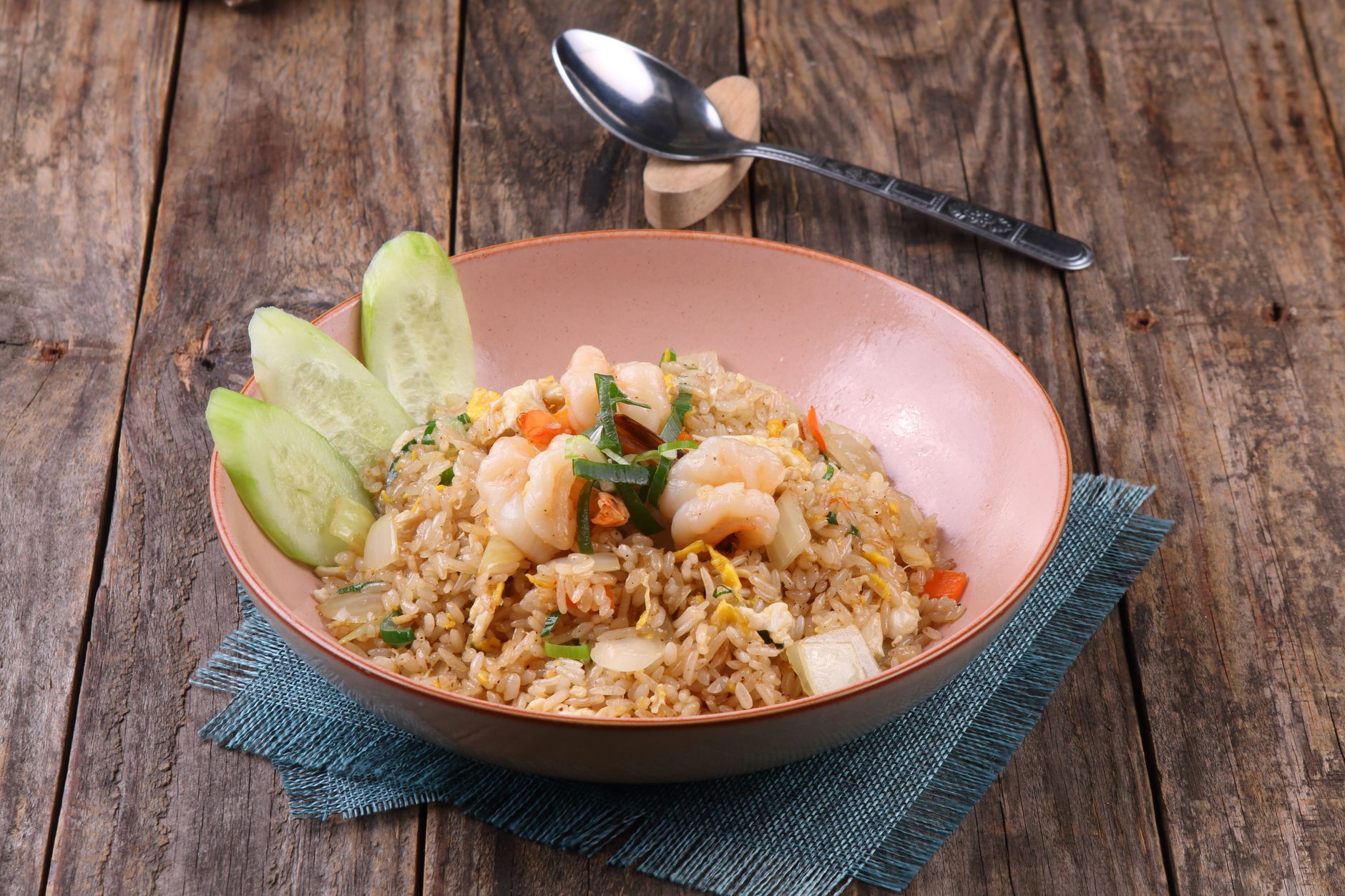
Fried rice is a beloved dish in many cultures around the world, often celebrated for its versatility, flavor, and quick cooking time. While its most famous version is often attributed to Chinese cuisine, the origins of fried rice are more complex and fascinating than one might think.
This article explores the Chinese roots of fried rice, its adaptations across different cultures, and practical ways to make, serve, and enjoy this delicious dish.
Is Fried Rice Chinese?
Yes, fried rice is a traditional Chinese dish, dating back to the Sui Dynasty (589–618 AD). Initially, it was a way to use leftover rice and ingredients, evolving into numerous regional variations across China and around the world.
The dish typically features stir-fried rice, vegetables, sometimes meat, and soy sauce, contributing to its savory flavor and appealing texture. Each variation comes with its distinct ingredients, reflecting local tastes and ingredients.
The History of Fried Rice
Fried rice has a long and rich history within Chinese cuisine. The earliest records indicate that it was created as a way to prevent wasting leftover rice, demonstrating resourcefulness in Chinese cooking. As it spread throughout different regions, various tweaks were made to adapt to local palates and available ingredients.
Regions like Yangzhou in Jiangsu Province have their own special fried rice known as Yangzhou fried rice, which is characterized by its fresh ingredients such as shrimp, peas, and ham. Meanwhile, Cantonese fried rice, a popular adaptation worldwide, often includes ingredients like chicken and vegetables with a more pronounced soy sauce flavor.
Common Ingredients in Fried Rice
The beauty of fried rice lies in its adaptability and the variety of ingredients used. Below are common components you’ll find in many fried rice recipes:
- Rice: Day-old cooked rice is recommended for best results as it is drier and prevents clumping during frying.
- Vegetables: Common choices include peas, carrots, bell peppers, onions, and scallions.
- Protein: Options vary from chicken, pork, shrimp, and tofu to egg.
- Sauces: Soy sauce is the most common; oyster sauce and sesame oil are also frequently added for depth of flavor.
- Seasonings: Garlic, ginger, and freshly cracked pepper are typical seasonings used for added taste.
How to Make Fried Rice
Here is a simplified method to make classic Chinese fried rice. This recipe serves four and takes approximately 10 minutes to prepare and another 10 minutes to cook.
Ingredients
- 4 cups day-old cooked rice
- 2 tablespoons vegetable oil
- 1 cup mixed vegetables (peas, carrots, and corn)
- 2 eggs, lightly beaten
- 1 cup cooked chicken or shrimp (optional)
- 3 tablespoons soy sauce
- 2 green onions, chopped
- 1 teaspoon sesame oil (optional)
- Salt and pepper to taste
Essential Equipment
- Wok or large skillet
- Spatula or wooden spoon
- Knife and cutting board
Method
- Heat the vegetable oil in a wok or large skillet over medium-high heat.
- Add mixed vegetables, and stir-fry for 2-3 minutes until tender.
- Push the vegetables to one side, pour in the beaten eggs, and scramble until fully cooked.
- Add the cooked rice, breaking up any clumps, and stir everything together.
- Incorporate the cooked chicken or shrimp if using, and stir-fry for another 2-3 minutes.
- Pour in the soy sauce and sesame oil, mixing well to combine.
- Finish with chopped green onions and season with salt and pepper to taste.
- Remove from heat and serve hot.
Common Mistakes When Making Fried Rice
Making fried rice may seem straightforward, but here are some common pitfalls to avoid:
- Using fresh rice: Freshly cooked rice can be too moist and sticky, which makes it hard to achieve that perfect fried rice texture. Use day-old rice instead.
- Overcrowding the pan: Cooking too much rice at once can lead to uneven cooking. Consider making smaller batches if necessary.
- Adding too much sauce: Too much soy sauce can make the dish overly salty. Start with less and adjust to taste.
Variations of Fried Rice
Fried rice is incredibly versatile, allowing for numerous variations. Here are some popular versions you may encounter:
Yangzhou Fried Rice
This famous dish from Jiangsu Province features a mixture of diced ham, shrimp, and vegetables, providing a colorful and tasty meal.
Cantonese Fried Rice
Characterized by its extraordinary flavor, Cantonese fried rice often uses soy sauce along with a variety of proteins and vegetables, making it a go-to in many Chinese restaurants.
Thai Fried Rice (Khao Pad)
This version often includes ingredients like basil, lime, and chili, giving it a distinctively fresh and zesty flavor profile, compared to the more soy sauce-based Chinese varieties.
Serving Ideas for Fried Rice
Fried rice can be served in various ways, making it a fantastic option for any meal:
- As a Side Dish: Serve alongside an entree like General Tso’s chicken or stir-fried vegetables for a well-rounded meal.
- As a Main Course: With added protein, fried rice can be a complete meal on its own.
- In a Bowl: Layer fried rice with lettuce, fresh vegetables, or even avocado for a colorful rice bowl.
Fried Rice Around the World
Fried rice has transcended borders, inspiring numerous adaptations globally:
Japanese Fried Rice (Chāhan)
Japanese fried rice is known as Chāhan and is often flavored with tare sauce and includes vegetables such as green peas and carrots along with egg and meat.
Indonesian Nasi Goreng
This version is typically spicy, made with kecap manis (sweet soy sauce) and often garnished with fried egg and sliced cucumbers, offering a unique taste profile.
American Fried Rice
In the United States, fried rice has evolved to include ingredients like bacon or barbecue chicken, catering to local tastes while retaining core elements of traditional fried rice.
Food Storage and Reheating
Proper food storage is essential to maintain the freshness and flavor of fried rice:
- Cooling: Allow fried rice to cool at room temperature for no more than two hours before storing.
- Storage: Place in an airtight container and refrigerate for up to four days.
- Freezing: Fried rice can be frozen for up to three months. Thaw in the refrigerator before reheating.
- Reheating: Reheat in a pan over medium heat, adding a bit of oil to avoid sticking. Alternatively, you can microwave it, but ensure it’s heated uniformly.
Conclusion
Fried rice, while rooted deeply in Chinese cuisine, has a rich history and numerous adaptations worldwide. This dish is versatile, easy to prepare, and can accommodate a vast range of ingredients.
Explore different variations, experiment with your favorite ingredients, and enjoy the myriad of flavors this beloved dish has to offer.
For more exciting recipes, check out our guides for Benihana Fried Rice and Beef Lo Mein for more Asian-inspired cooking ideas.