
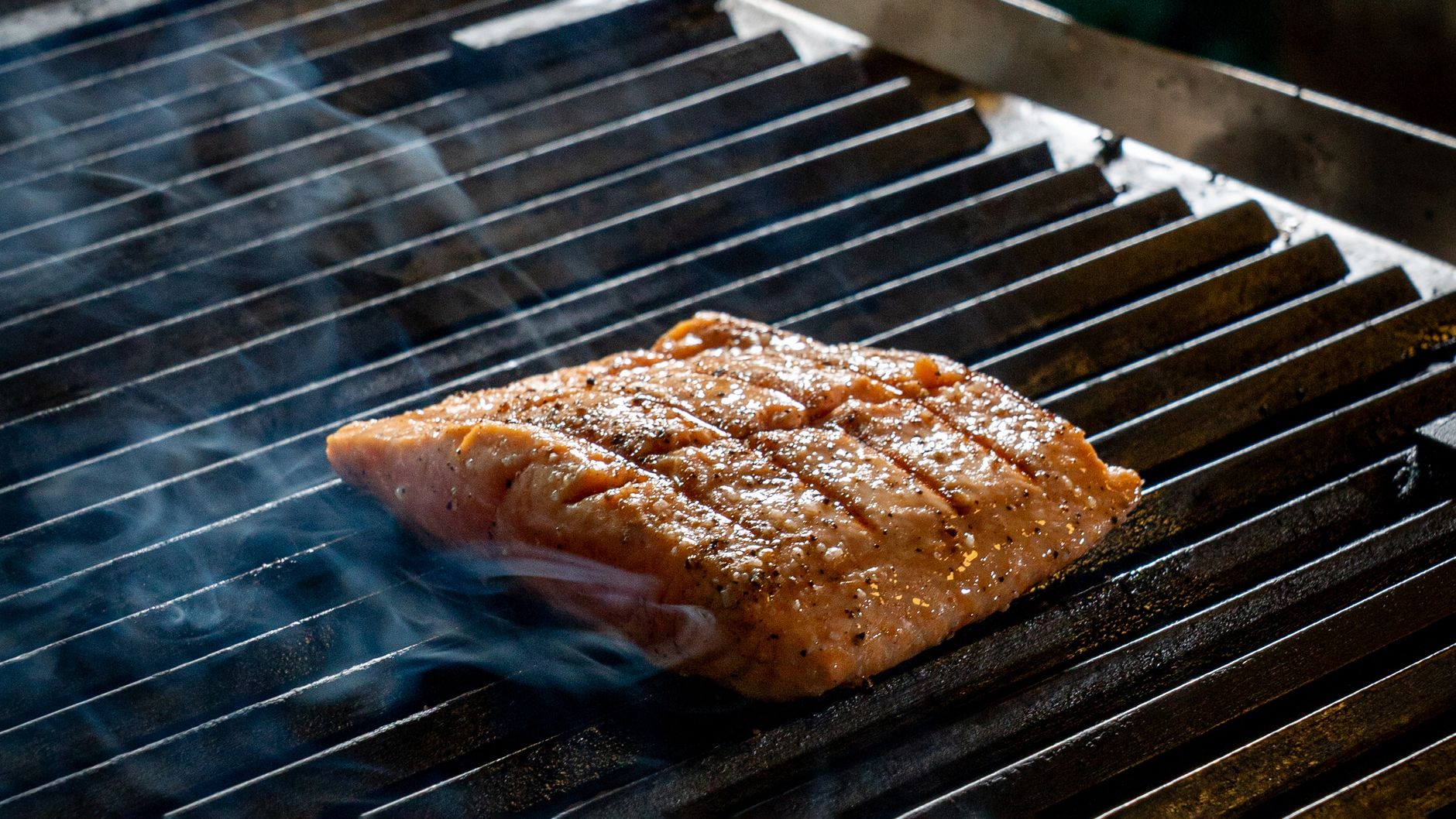
Fish is often celebrated as a valuable source of high-quality protein, making it a popular choice among health-conscious eaters. However, not all fish are created equal, and understanding their protein content can help you make informed dietary decisions.
This article will explore whether fish is a good source of protein, compare the protein amounts by serving size, and highlight the benefits of including different types of fish in your diet.
Is Fish a Good Source of Protein?
Yes, fish is a good source of protein. Depending on the type of fish, a standard serving can provide a significant portion of your daily protein needs, along with essential nutrients such as omega-3 fatty acids.
Protein is a vital macronutrient that supports muscle growth, repair, and overall health. In addition to protein, fish delivers vital vitamins and minerals that contribute to well-being.
Understanding Fish Protein Content
The protein content in fish varies widely based on factors such as species, preparation method, and serving size. Generally, fish is classified into two categories: oily fish and white fish. Oily fish, such as salmon and mackerel, typically contain higher fat content, while white fish, like cod and haddock, are leaner.
Here is a breakdown of protein content found in several common types of fish based on a standard 3-ounce (85 grams) cooked serving size:
| Type of Fish | Protein Content (grams) | Notable Nutrients |
|---|---|---|
| Salmon | 22 grams | Omega-3 fatty acids, Vitamin D |
| Tuna | 25 grams | Omega-3 fatty acids, Selenium |
| Cod | 20 grams | Vitamin B12, Iodine |
| Trout | 22 grams | Omega-3 fatty acids, Vitamin D |
| Sardines | 23 grams | Calcium, Omega-3 fatty acids |
| Haddock | 20 grams | Vitamin B6, Selenium |
| Mackerel | 25 grams | Omega-3 fatty acids, Vitamin D |
| Halibut | 24 grams | Vitamin B6, Magnesium |
Health Benefits of Eating Fish
In addition to being a great source of protein, the health benefits of fish extend beyond the numbers on the plate. Here are several reasons to include fish in your diet:
- Heart Health: Oily fish, in particular, are excellent sources of omega-3 fatty acids, which are known to promote heart health by reducing blood pressure and triglyceride levels.
- Brain Function: DHA, an omega-3 fatty acid found in fish, plays a crucial role in cognitive function and may help protect against age-related cognitive decline.
- Weight Management: High-protein foods help you feel full, potentially supporting weight management goals. Fish is lower in calories compared to red meats, making it a smart choice for those watching their weight.
- Bone Health: Many types of fish are excellent sources of nutrients such as vitamin D and calcium, which are vital for maintaining strong bones.
How to Choose Fish for Maximum Protein
When selecting fish, it’s essential to consider both the protein content and the nutritional profile. Here are some tips for choosing the best fish:
- Opt for Wild-Caught when Possible: Wild-caught fish can offer a higher nutritional value compared to farmed fish. They often contain more omega-3 fatty acids and fewer harmful contaminants.
- Check for Sustainability: Look for fish that are certified sustainable by organizations such as the Marine Stewardship Council or the Aquaculture Stewardship Council to ensure you are making environmentally friendly choices.
- Be Mindful of Mercury Levels: Some fish, such as shark, swordfish, and king mackerel, can have higher levels of mercury. Young children, pregnant women, and nursing mothers should limit their intake of these fish for safety.
Preparation Methods to Maximize Nutritional Value
The way you prepare fish can affect its overall nutritional value and flavor. Here are some healthy methods:
- Grilling: Grilling fish enhances its natural flavors without adding much fat. Plus, the high heat can help lock in moisture, resulting in a deliciously tender dish.
- Steaming: Steaming helps retain nutrients that may be lost through other cooking methods, making it a great choice for maintaining the health benefits of fish.
- Baking: Baking is an easy and versatile method that allows for the addition of herbs, spices, and healthy oils while minimizing fat intake.
- Poaching: Poaching fish in a liquid, such as broth or wine, preserves moisture and flavor while keeping calories low.
Common Mistakes to Avoid When Cooking Fish
Cooking fish can be intimidating for many home cooks. Here are some common pitfalls and how to avoid them:
- Overcooking: Fish cooks quickly and can dry out easily. Use a food thermometer; fish should reach an internal temperature of 145°F (63°C) for safe consumption.
- Ignoring Fish Freshness: Always check for freshness when purchasing fish. Look for bright, clear eyes, shiny skin, and a mild, ocean-like smell. If you are unsure about the freshness of a fish, refer to resources, like this guide on how to tell if salmon is bad.
- Skipping Seasoning: Fish can benefit from a variety of flavors. Don’t be afraid to experiment with herbs, spices, and marinades to enhance your dishes.
Meal Planning with Fish
Incorporating fish into your meal planning can allow for a diverse and nutritious diet. Here are some practical tips:
- Plan Ahead: Consider meal prepping fish for the week. Cooked fish can be ready to use in salads, wraps, or grain bowls, making it a versatile protein option.
- Batch Cooking: Prepare fish in larger quantities and freeze portions for easy, quick meals on busy days.
- Interchangeable Ingredients: Use different types of fish in recipes to keep your meals varied and interesting while still benefiting from the high protein content.
Storage and Reheating Tips for Fish
Proper airflow and safe handling are crucial for storing fish to prevent spoilage. Here are some guidelines:
- Storing Cooked Fish: Place cooked fish in an airtight container and refrigerate it within two hours of cooking. Use it within three days for optimal freshness.
- Freezing Fish: Fish can be frozen for long-term storage. Wrap it tightly in plastic wrap or aluminum foil, and place it in a freezer-safe bag. Use within six months for the best quality.
- Reheating: When reheating cooked fish, do so gently to maintain its texture. Use the oven at a low temperature or microwave on low power until just warmed through, being cautious not to overcook.
Popular Fish Recipes to Try
Integrating fish into your diet can be simple and enjoyable with these quick recipes:
Grilled Lemon Herb Salmon
This dish features fresh salmon fillets marinated in a zesty lemon herb mixture, grilled to perfection.
- 4 salmon fillets (6 ounces each)
- 2 tablespoons olive oil
- Juice of 1 lemon
- Zest of 1 lemon
- 2 cloves garlic, minced
- 1 tablespoon fresh dill, chopped
- 1 teaspoon salt
- 1/2 teaspoon black pepper
To prepare, combine olive oil, lemon juice, zest, garlic, dill, salt, and pepper. Marinate salmon for at least 30 minutes. Preheat grill, then cook salmon skin-side down for about 5–6 minutes, flip, and grill for an additional 3–4 minutes. Serve with steamed vegetables for a healthy meal.
Fish Tacos with Mango Salsa
This vibrant recipe is perfect for taco nights and is packed with flavor.
- 1 pound white fish (tilapia or cod)
- 1 teaspoon cumin
- 1 teaspoon paprika
- Salt and pepper to taste
- 8 corn tortillas
- 1 mango, diced
- 1/4 red onion, finely chopped
- 1 jalapeño, seeded and diced
- Juice of 1 lime
- Fresh cilantro, chopped, for garnish
Season the fish with cumin, paprika, salt, and pepper. Cook in a skillet over medium heat for about 3–4 minutes per side until flaky. For the salsa, combine mango, red onion, jalapeño, lime juice, and cilantro. Serve fish in tortillas topped with mango salsa.
Final Thoughts on Incorporating Fish into Your Diet
Fish is rich in protein and provides a wealth of nutrients that contribute to overall health. By understanding protein content and making informed choices, you can enjoy delicious and nutritious meals. Experimenting with various types of fish and cooking techniques can keep your diet varied and satisfying.
Explore related recipes, cooking tips, or food guides to expand your culinary repertoire and make the most of fish as a valuable ingredient in your kitchen.
Discover how to tell if salmon is bad for safety and learn whether you can refreeze fish safely as you enhance your food knowledge.