
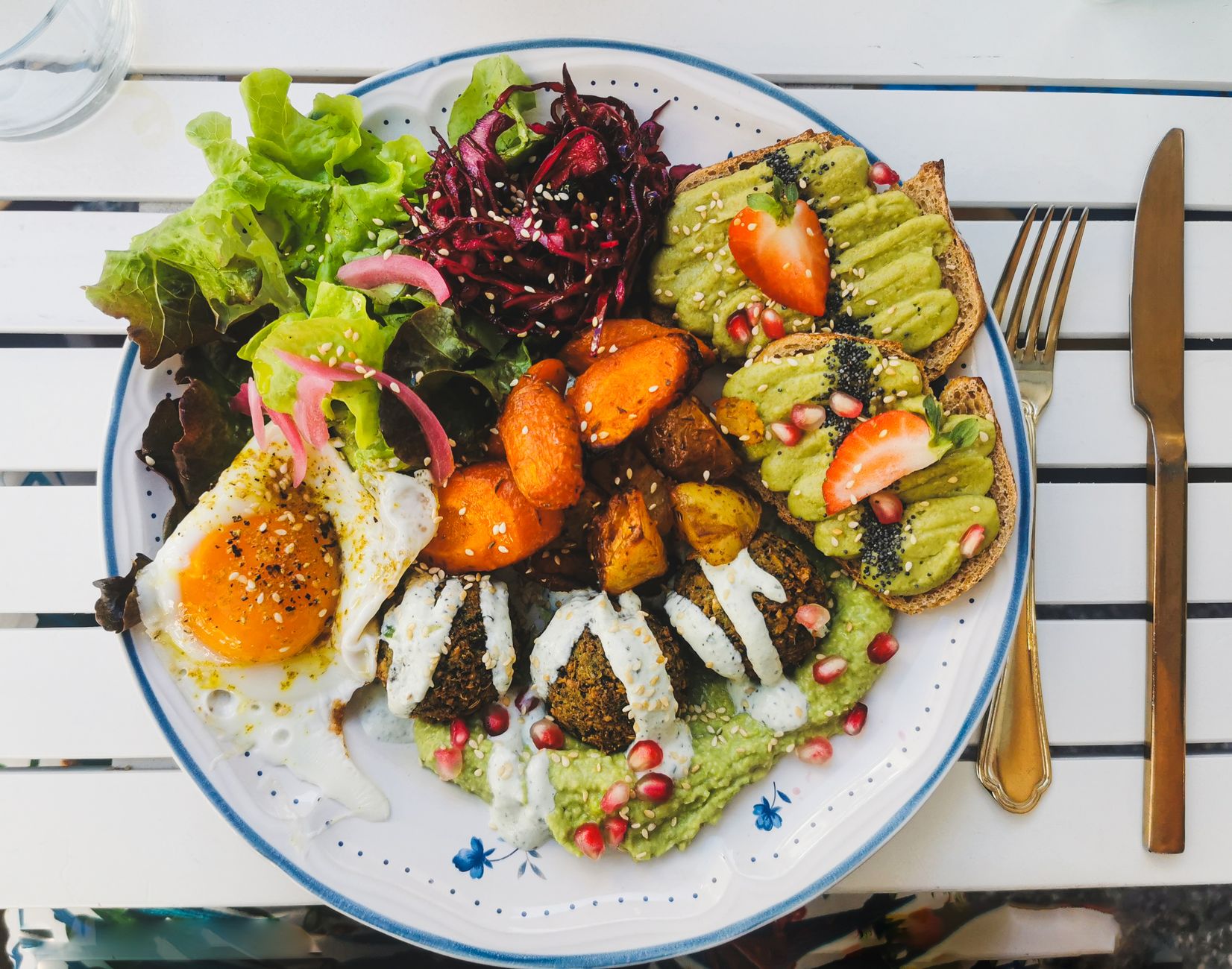
Falafel is a beloved dish originating from Middle Eastern cuisine, known for its crispy exterior and fluffy interior. Often served in pita bread or as part of a mezze platter, falafel is not only delicious but also packed with flavors and nutrients. For many, the question remains: Is falafel vegan?
The short answer is yes, traditional falafel is vegan, as it is made primarily from ground chickpeas or fava beans, herbs, and spices. However, there can be variations that include non-vegan ingredients. This guide will explore the ingredients, check labels, and consider alternative options to ensure you indulge in this delightful dish while adhering to a vegan diet.
What Ingredients Are in Falafel?
Falafel’s main ingredients include:
- Chickpeas or fava beans
- Fresh herbs (typically parsley or cilantro)
- Onion
- Garlic
- Spices (cumin, coriander, or others)
- Flour (to bind the mixture)
- Baking powder (optional, for fluffiness)
- Salt and pepper
Traditional falafel recipes do not include any animal-derived products, making them suitable for vegans. However, it is essential to check the specific recipe or product, as some variations may incorporate non-vegan elements.
Checking Labels and Store-Bought Falafel
When purchasing pre-made falafel, it’s crucial to read the ingredient label carefully. While many brands offer vegan options, some may contain hidden non-vegan ingredients, such as:
- Eggs (used as a binder)
- Dairy (cheese or yogurt sauces often accompany falafel)
- Surprising oils or additives that may not be vegan
If you are shopping at a grocery store or a local market, look for products explicitly labeled as vegan. Many health food stores and specialty shops provide a variety of vegan falafel, and the labels will often be clear about their ingredients.
Homemade Falafel Recipe
If you want to be certain that your falafel is vegan, making it from scratch is a fantastic option. Below is a straightforward recipe for homemade falafel.
Yield
Approximately 24 falafel balls.
Preparation Time
10 minutes (plus soaking time for chickpeas).
Cooking Time
30 minutes.
Total Time
40 minutes (excluding chickpea soaking time).
Ingredients
- 1 cup dried chickpeas (soaked overnight)
- 1 small onion, chopped
- 2-3 cloves garlic, minced
- 1/2 cup fresh parsley, chopped
- 1/2 cup fresh cilantro, chopped
- 1 teaspoon ground cumin
- 1 teaspoon ground coriander
- 1/2 teaspoon baking powder
- Salt and pepper to taste
- Olive oil or any neutral oil for frying
Essential Equipment
- Food processor
- Mixing bowl
- Deep skillet or frying pan
- Slotted spoon
- Serving dish or platter
Step-by-Step Method
- After soaked, drain and rinse the chickpeas. Make sure they are completely dry.
- In a food processor, combine chickpeas, onion, garlic, parsley, cilantro, cumin, coriander, baking powder, salt, and pepper. Pulse until the mixture is coarsely ground and sticks together. Avoid over-processing; it should have a slightly grainy texture.
- Transfer the mixture to a bowl and refrigerate for 30 minutes. This step helps the mixture firm up.
- After chilling, form the mixture into small balls about the size of a golf ball.
- In a deep skillet, heat the oil over medium heat. Test the oil temperature by dropping in a bit of the falafel mixture; if it sizzles, it’s ready.
- Fry falafel balls in batches, being careful not to overcrowd the pan. Fry each side for about 3-4 minutes until golden brown and crispy. Use a slotted spoon to transfer them to a paper towel-lined plate.
- Serve hot with tahini sauce, hummus, or inside a pita with fresh vegetables.
Common Mistakes When Making Falafel
Creating falafel at home may lead to a few blunders, especially for beginners. Here are some common mistakes and troubleshooting tips:
- Using canned chickpeas: While it’s tempting for convenience, canned chickpeas tend to be too soft. Dried chickpeas will give you the right texture.
- Overprocessing the mixture: A smooth paste will not create the correct falafel texture. Aim for a coarse, slightly grainy consistency.
- Not letting the mixture chill: Refrigerating allows the falafel to firm up, making them easier to shape and fry without falling apart.
- Frying at the wrong temperature: If the oil isn’t hot enough, your falafel will absorb too much oil and become greasy. Conversely, too hot oil can burn the outside while leaving the inside raw. Maintain a medium heat for optimal cooking.
Vegan-Friendly Serving Suggestions
Falafel can be enjoyed in numerous ways, all of which remain vegan-friendly. Here are several serving ideas:
- Pita Wrap: Stuff warm pita bread with falafel, lettuce, tomato, cucumber, and a generous drizzle of tahini or hot sauce.
- Salad Bowl: Create a fresh salad topped with falafel, pickled vegetables, and a tangy lemon dressing.
- Mezze Platter: Serve falafel alongside hummus, baba ghanoush, olives, and tabbouleh for a delightful sharing platter.
Falafel Alternatives and Variations
If you’re looking for variations or alternatives to traditional falafel, consider these options:
Bean-Based Variants
Substituting chickpeas or fava beans with other beans such as black beans or kidney beans can create interesting flavors and textures. Keep in mind that cooking times and flavors may differ, necessitating some adjustments.
Vegetable Infusions
Incorporating vegetables like grated zucchini, carrots, or sweet potatoes adds nutrients and moisture to your falafel. Make sure to drain excess moisture to maintain the right texture.
Gluten-Free Options
Using gluten-free flour such as chickpea flour or almond flour as a binder works well for those following a gluten-free diet. Ensure all other ingredients are also gluten-free.
Air-Fried Falafel
For a healthier twist, air frying falafel requires less oil and still produces a crispy texture. Preheat your air fryer to 375°F (190°C) and cook for about 15 minutes, flipping halfway.
Storing and Keeping Falafel
If you have leftover falafel, storing them properly will extend their freshness.
Refrigeration
Store leftover falafel in an airtight container in the refrigerator for up to 4 days. They can easily be reheated in the oven or air fryer to maintain their crispiness.
Freezing
Falafel can be frozen before or after cooking. If freezing raw, form the balls, then place them on a baking sheet to freeze solid before transferring them to a freezer bag. Cook from frozen, adding a couple of extra minutes to cooking time.
Conclusion and Next Steps
Falafel is a versatile and tasty vegan dish that can be enjoyed in numerous ways. With its focus on plant-based ingredients, it comfortably fits into various dietary preferences. Making your own falafel lets you control the ingredients while providing endless variations for different tastes.
To try your hand at complementary dishes, consider making homemade hummus or exploring a delightful chia pudding recipe. For more information, check out our hummus recipe without tahini or enjoy a refreshing chia pudding recipe with coconut milk.