
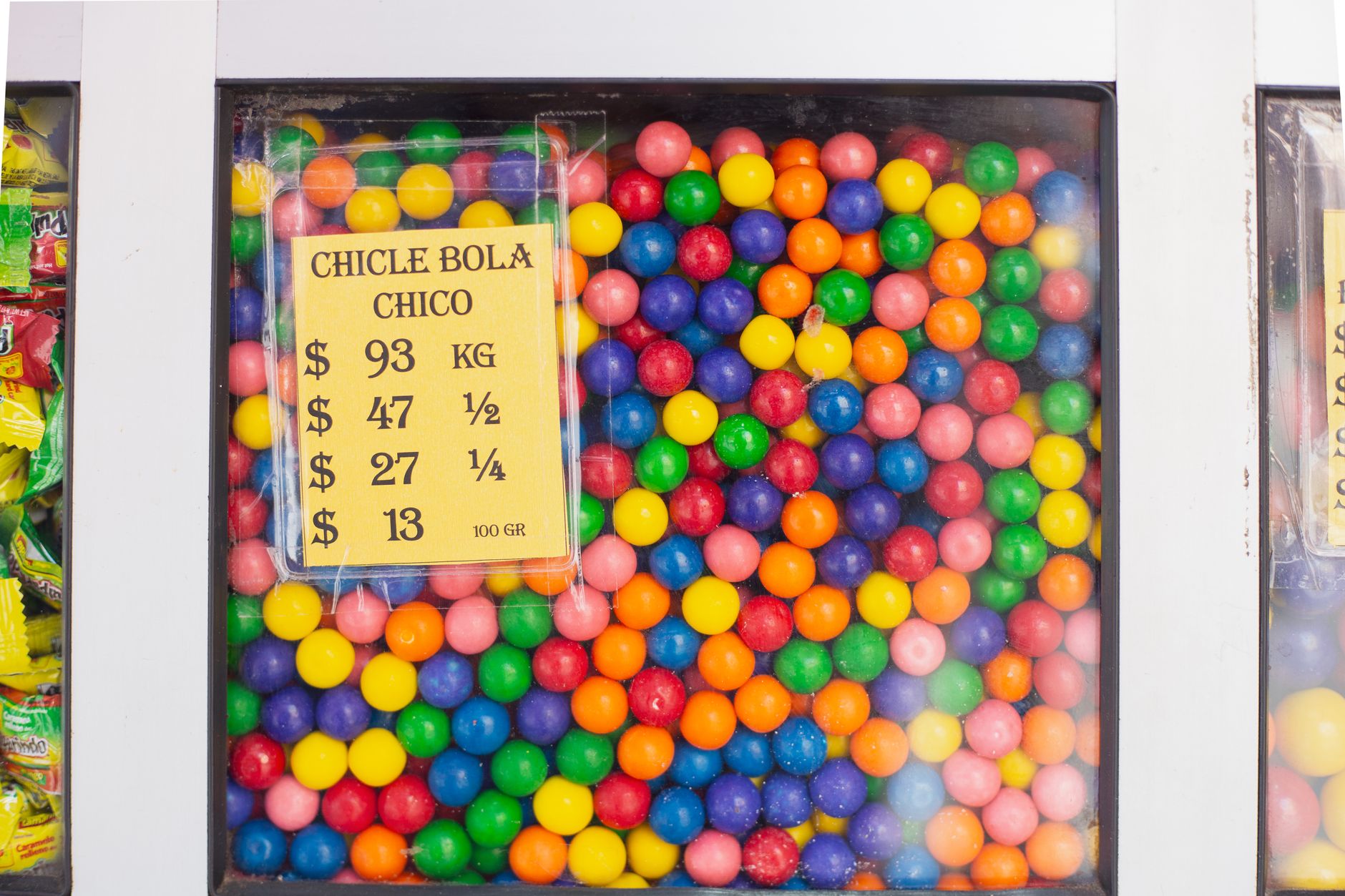
Double Bubble gum, the iconic pink, chewy treat, is synonymous with childhood and nostalgic moments. While it brings back fond memories for many, those adhering to a gluten-free diet may wonder about its safety. In this article, we will explore the ingredients, manufacturing process, and allergy notes related to Double Bubble gum to determine if it’s truly gluten-free.
Understanding whether a product is gluten-free is crucial for those with celiac disease or gluten intolerance. Gluten, a protein found in wheat, barley, and rye, can cause serious health issues for those affected. Therefore, knowing the ingredients in Double Bubble gum can help make an informed choice.
Is Double Bubble Gluten Free?
Yes, Double Bubble gum is generally considered gluten-free. The primary ingredients used in Double Bubble gum do not contain gluten. However, it’s essential to check the packaging for specific allergen information as it can vary by manufacturer and production batch.
Ingredients Breakdown
To fully understand if Double Bubble gum is gluten-free, let’s take a closer look at its core ingredients:
- Sugar
- Glucose syrup
- Natural and artificial flavors
- Glycerin
- Modified food starch
- Softeners
- Colors (such as Red 40 and Yellow 5)
- Citric acid
- Calcium carbonate
Sugar
Sugar is a staple ingredient in most candies, providing sweetness and texture. It is inherently gluten-free.
Glucose Syrup
Glucose syrup is made from hydrolyzed starch and is also gluten-free, as it is derived from various sources, including corn, which contains no gluten.
Natural and Artificial Flavors
The term “natural and artificial flavors” can include a variety of substances, but they are typically gluten-free. It is advisable, however, to check for specific allergen information on the packaging since different sources can be used.
Glycerin
Glycerin, a sweetening and humectant agent, is usually obtained from vegetable sources and is gluten-free. Again, packaging information should be consulted.
Modified Food Starch
This ingredient can be a bit tricky as it can be derived from wheat or corn. In the case of Double Bubble, it is important to read the label or contact the manufacturer for clarification on its source.
Softeners
Softeners help maintain the gum’s chewiness and are typically gluten-free. The specific type used can vary by batch, so checking the ingredient list is vital.
Colors
The colors used, such as Red 40 or Yellow 5, are synthetic dyes that are gluten-free. These food colorings enhance visual appeal but are not derived from gluten-containing grains.
Citric Acid
Functioning as a flavoring and preservative, citric acid is gluten-free and is derived from citrus fruits.
Calcium Carbonate
A common additive in candy, calcium carbonate is gluten-free, acting as a firming agent.
Allergy Notes and Manufacturing Practices
While Double Bubble gum is made from ingredients free of gluten, cross-contamination is a legitimate concern for those with celiac disease or gluten sensitivity. It’s essential to consider the following:
- Manufacturing facilities may process other products that contain gluten.
- Check if the packaging carries a gluten-free certification, which indicates stringent practices are followed during production.
- If consumers are unsure about cross-contamination, contact the manufacturer directly for confirmation.
How to Verify Gluten-Free Status
Here are some useful tips on verifying the gluten-free status of Double Bubble and similar products:
- Read the label: Always check the ingredient list and allergen statement for gluten.
- Look for gluten-free certification: Brands that offer clear gluten-free labels reassure consumers about the safety of their products.
- Research the brand: Some companies provide detailed information on their websites regarding gluten-free practices.
Consumer Perspectives: Gluten-Free Treats
The gluten-free market has grown tremendously, driven by consumer demand for safe options without compromising taste or nostalgia. While Double Bubble provides a beloved flavor, those avoiding gluten have a wider selection of sweets available, from fruit chews to specialty chocolates.
Many brands have emerged, offering gluten-free alternatives to classic candies. Gaining insights into these alternatives helps gluten-sensitive individuals continue to enjoy sweet treats without worry.
Substitutes for Double Bubble Gum
If you want to enjoy a similar taste or texture without gluten concerns, here are some alternatives to Double Bubble gum:
- Bubble Yum
- Hubba Bubba
- Trident gum (certain flavors)
- Fruit-flavored gummy candies from gluten-free brands
Each of these substitutes may have a different ingredient list, so individuals should examine the labels to ensure they align with their dietary needs.
Making Your Own Bubble Gum
If you prefer a homemade option, you can make your own gluten-free bubble gum. This allows you to control the ingredients and flavors used. Here’s a basic overview of how to make your own bubble gum:
Ingredients for Homemade Bubble Gum
- 2 cups gum base
- 1 cup powdered sugar
- 1/4 cup corn syrup
- Flavoring (your choice)
- Food color (optional)
Essential Equipment
- Mixing bowl
- Wooden spoon or spatula
- Parchment paper
- Rolling pin
Method
- In a mixing bowl, combine the powdered sugar and gum base.
- Gradually add the corn syrup while mixing until a dough forms.
- Add your chosen flavoring and food color, and continue mixing until fully incorporated.
- On a surface dusted with powdered sugar, roll out your gum to about 1/4 inch thick.
- Cut into pieces and wrap them in parchment paper to enjoy later.
Storage and Shelf Life
Proper storage can significantly affect the quality of your homemade gum or any pre-packaged options:
- Store Double Bubble and similar gums in a cool, dry place away from direct sunlight.
- Keep homemade bubble gum wrapped tightly in parchment or waxed paper to avoid drying out.
- Typically, gum kept in a proper environment can last for several months, although the flavor may diminish over time.
Conclusion
Double Bubble gum is generally gluten-free based on its primary ingredients, but always consult the packaging for specific allergen information and cross-contamination practices. With numerous available alternatives, those with gluten sensitivities do not need to miss out on sweet treats. Additionally, making your own bubble gum can be a fun and safe way to control ingredients while enjoying this classic candy.
For more gluten-free recipes and alternatives, consider checking out our gluten-free gnocchi recipe or gluten-free waffle recipe. These dishes can offer further inspiration for delicious meals that accommodate dietary restrictions.